Judge Beryl Howell issued an 88-page injunction barring warrantless civil immigration arrests in D.C. unless agents first find a flight risk, finding plaintiffs likely to succeed on claims that arrests lacked probable cause. Howell criticized the Supreme Court’s "shadow docket," citing the unexplained Noem v. Perdomo order and Justice Kavanaugh’s lone concurrence. She distinguished Perdomo (about stops) from her case (about arrests) and warned that unexplained high-court orders make appellate outcomes unpredictable.
Federal Judge Limits Warrantless Civil Immigration Arrests in D.C., Criticizes Supreme Court’s Shadow Docket

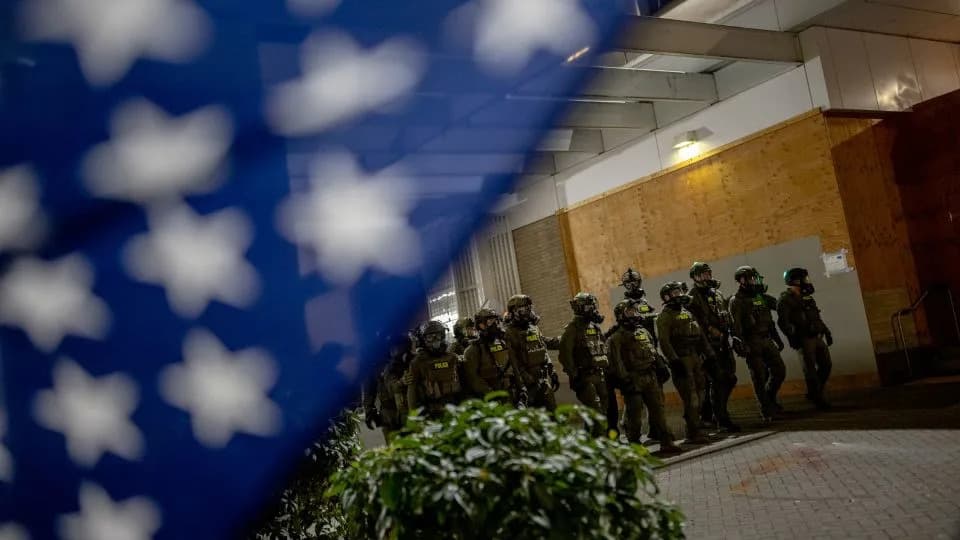
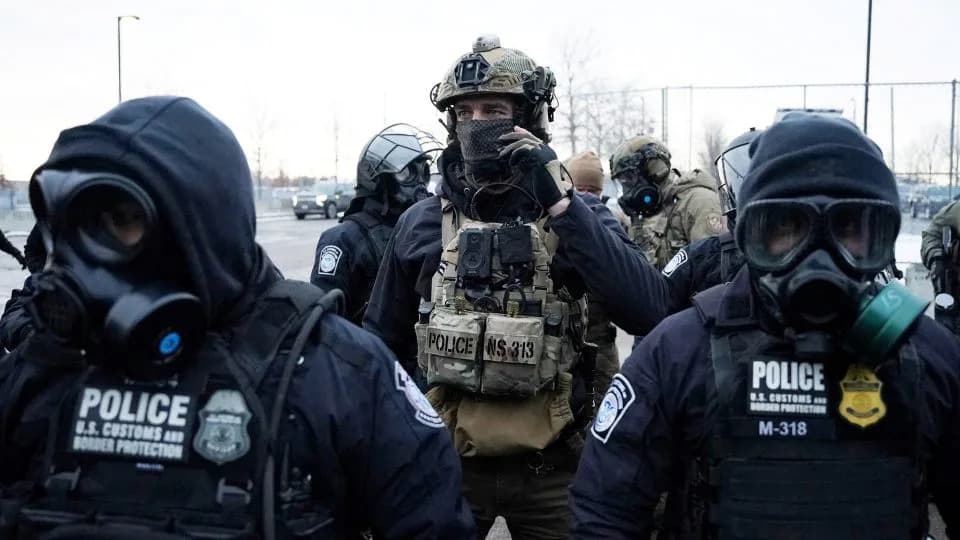
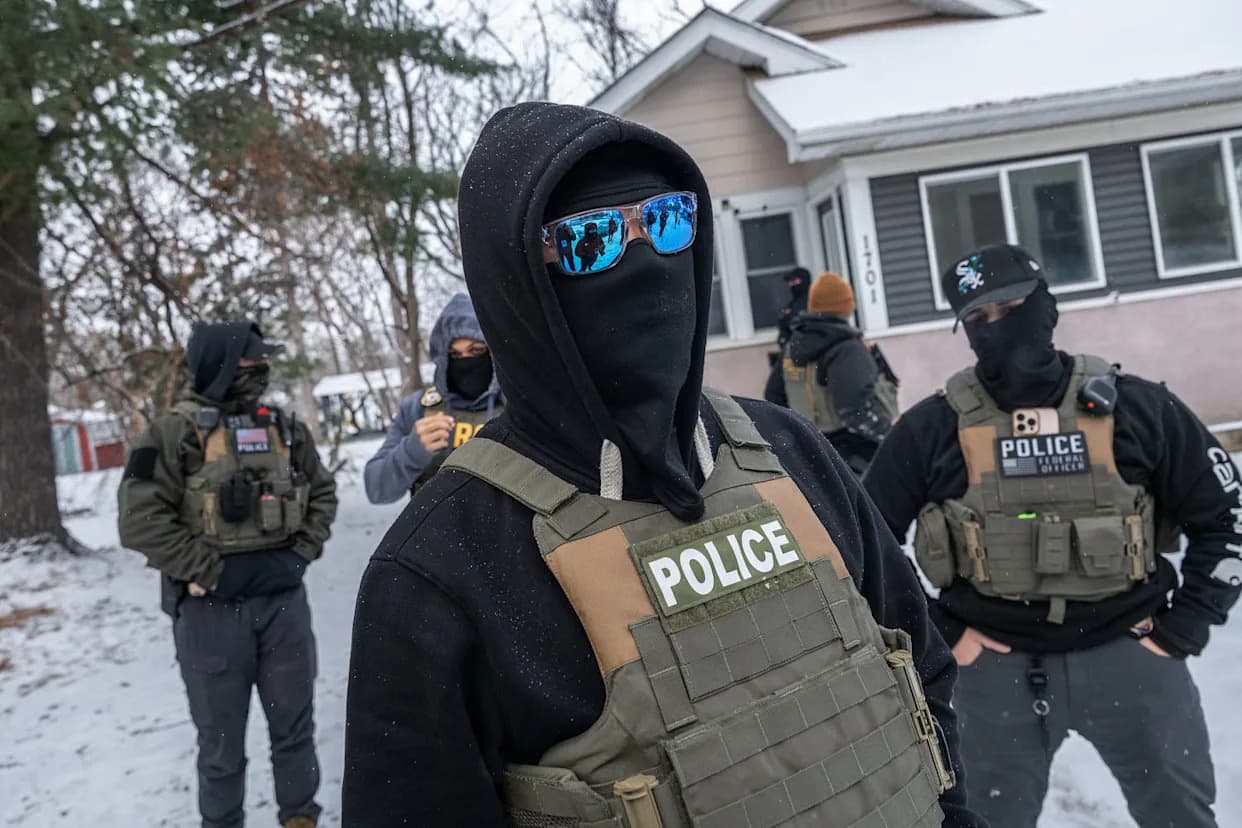
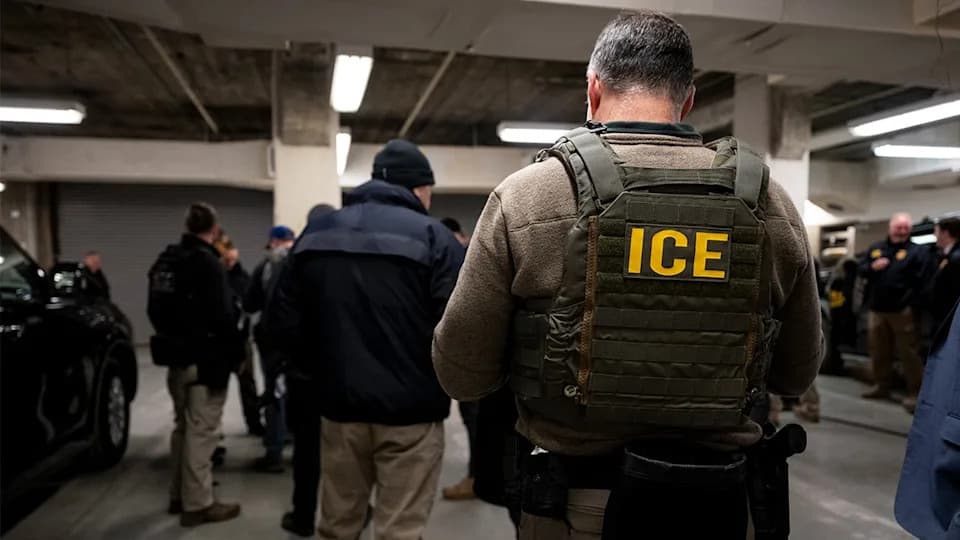
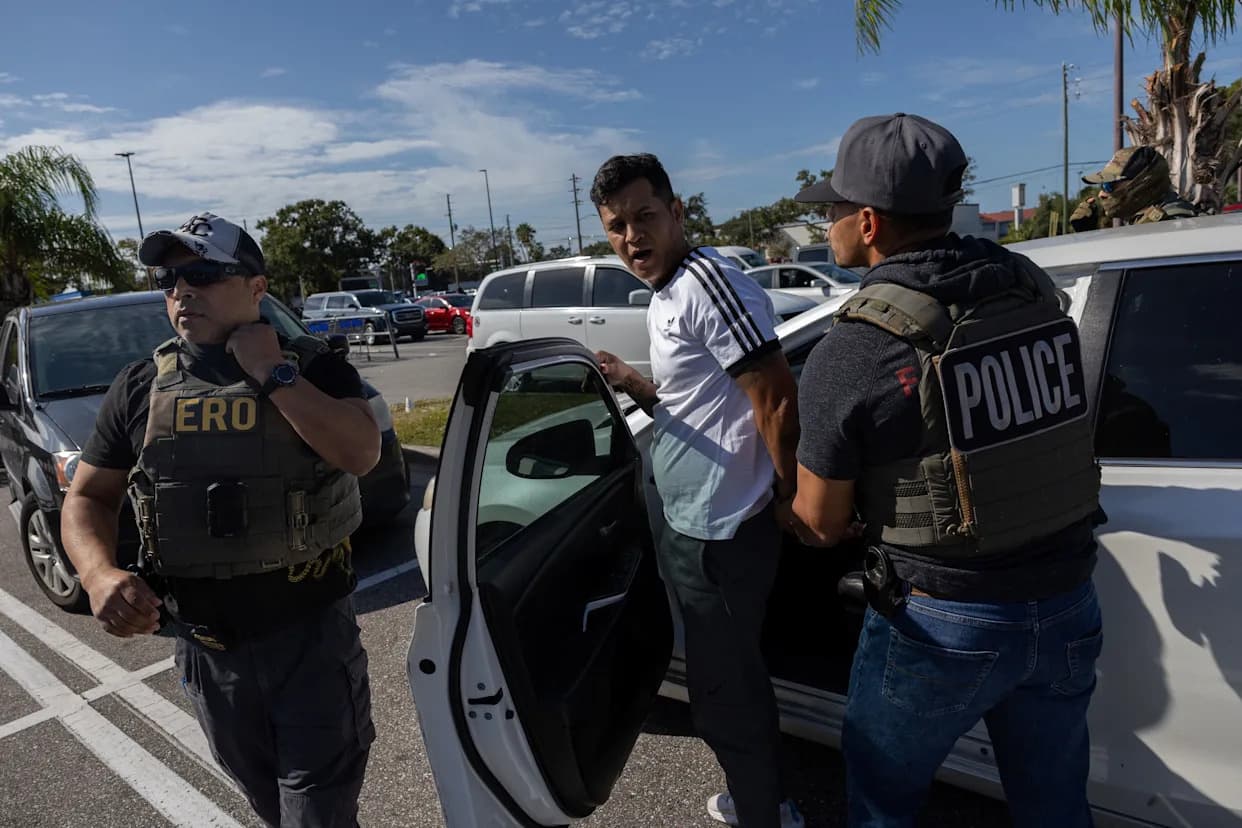
A federal judge in Washington, D.C., has blocked agents from making warrantless civil immigration arrests in the district unless they first determine the individual poses a flight risk. In an 88-page opinion issued Tuesday, U.S. District Judge Beryl Howell concluded the immigrant plaintiffs were likely to succeed on their claim that the government has been conducting such arrests without probable cause.
While rejecting one argument advanced by the Trump administration, Judge Howell used her decision to highlight concerns about the Supreme Court’s so-called shadow docket — brief, unexplained orders the high court sometimes issues that offer little or no reasoning.
Howell cited a September order in Noem v. Perdomo, in which the Supreme Court’s Republican-appointed majority lifted a lower-court directive that had limited racial profiling by agents in Los Angeles. The majority provided no explanation; only Justice Brett Kavanaugh published a concurrence defending the move, a tactic critics have called the "Kavanaugh stopper." The federal government relied on Kavanaugh’s commentary in arguing that Perdomo supported its position in the D.C. litigation.
"The Court majority merely issued a one-paragraph order granting a stay without any explanation for its holding," Howell wrote. "Bluntly put, why the Court ruled as it did remains unclear — and without reasoning, this order cannot even be considered as persuasive."
Howell — an Obama appointee — also explained why Perdomo does not control the case before her. Perdomo concerned immigration stops, whereas her ruling addresses warrantless civil immigration arrests. More importantly, she said, the plaintiffs here contend the government "abandoned the proper legal standard entirely," not merely that agents applied the right standard imperfectly.
What this ruling means
The injunction limits immigration enforcement practices in the District of Columbia and could affect how agents make practicable arrest decisions there. Because lower-court rulings against the government on immigration enforcement often prompt immediate appeals, Howell’s decision raises the prospect of an emergency application to the Supreme Court.
Her opinion underscores a broader problem for lower courts and litigants: when the Supreme Court issues unexplained shadow-docket orders, it becomes difficult to predict whether the justices will accept or meaningfully guide lower-court legal reasoning in related disputes. That opacity makes outcomes on emergency appeals harder to forecast.
Next steps
The government may seek expedited review by the Supreme Court. If so, the justices could choose to act quickly with an unexplained order or grant full briefing and oral argument. Either outcome would have significant implications for how lower courts interpret short, unexplained high-court actions going forward.
Help us improve.