A randomized crossover trial of 31 healthy adults aged 60–75 found that eating 60 g of unsalted, skin‑roasted peanuts daily for 16 weeks increased global cerebral blood flow by 3.6% and improved verbal memory by about 5.8%. The effects were most notable in frontal and temporal brain regions; other cognitive domains showed no meaningful change. Small reductions in systolic and pulse pressure were also observed. Key limitations include the small sample, short duration, single peanut form and possible placebo effects, so larger studies are needed.
Daily Peanuts Linked to Small Increases in Brain Blood Flow and Verbal Memory in Older Adults

A small randomized crossover trial found that eating a daily portion of unsalted, skin‑roasted peanuts was associated with modest improvements in cerebral blood flow and verbal memory in healthy older adults.
Study design
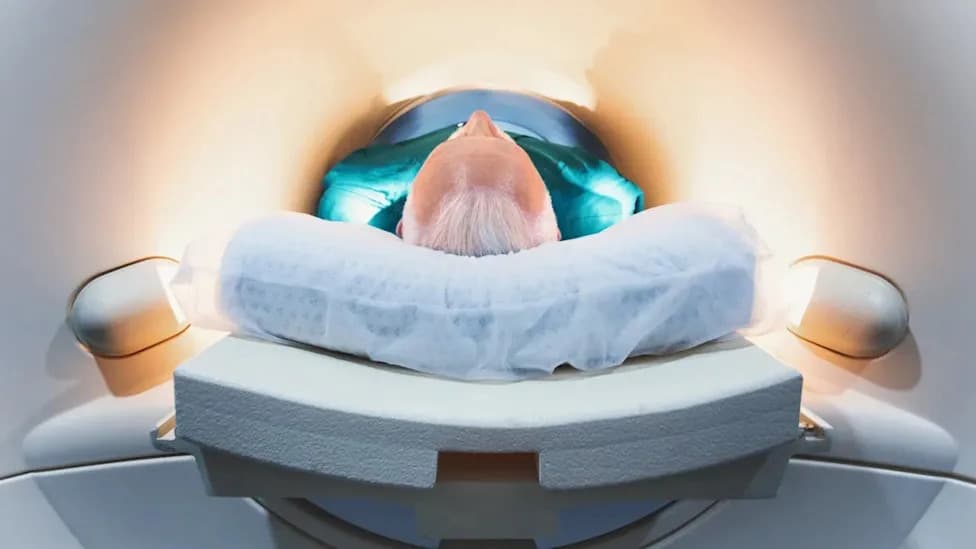
Researchers at the NUTRIM Institute, Maastricht University Medical Center, enrolled 31 healthy volunteers aged 60–75 in a randomized crossover trial. Participants completed two 16‑week periods: one in which they ate 60 g of unsalted, skin‑roasted peanuts daily, and one in which they avoided peanuts. An eight‑week washout separated the two periods to reduce carryover effects. Investigators measured cerebral blood flow using specialized MRI techniques and assessed cognition with standard neuropsychological tests.
Key findings
At the end of the peanut‑consumption phase, global cerebral blood flow was 3.6% higher compared with the no‑peanut phase, with the strongest increases in the frontal and temporal lobes—regions involved in higher‑order thinking and language. Participants also showed an average improvement of about 5.8% on verbal memory tests. Other cognitive domains measured, such as executive function and reaction speed, did not show meaningful change.
"Cerebral blood flow is an important physiological marker, because having a strong flow of blood to the brain contributes to its health," said Peter Joris, Ph.D., the study's lead author.
Researchers also observed small reductions in systolic blood pressure and pulse pressure, suggesting possible broader vascular benefits.
Possible mechanisms
Peanuts are rich in nutrients that could support vascular and brain health, including unsaturated fats, plant protein, dietary fiber, polyphenols and amino acids such as L‑arginine. The skin‑roasted form used in the trial adds antioxidant compounds from the peanut skins, which may contribute to the observed effects on blood flow.
Limitations
- The sample was small (31 participants) and limited to healthy older adults, so results may not generalize to younger people or those with medical conditions.
- The trial tested a single dose and form—60 g/day of unsalted, skin‑roasted peanuts—so other types, preparations or amounts might not produce the same effects.
- Because participants were likely aware when they were consuming peanuts, a placebo effect cannot be ruled out.
- The intervention lasted a few months and cannot determine whether benefits persist long term or reduce dementia risk.
Practical takeaways
While this trial offers preliminary evidence that a daily serving of unsalted, skin‑roasted peanuts may modestly enhance cerebral blood flow and verbal memory in healthy older adults, larger and longer studies are needed to confirm clinical relevance. Nutritionists note that peanuts are calorie‑dense; choose unsalted or lightly salted, dry‑roasted or raw options where possible, eat moderate servings, and balance peanuts with vegetables, fruits, whole grains and lean protein.
Funding disclosure: The trial received support from The Peanut Institute Foundation. The published report states the foundation did not participate in the study design, conduct, analysis or manuscript preparation.
Help us improve.