Lebanese and Israeli civilian representatives met at UN headquarters in Naqura to discuss full implementation of the November 2024 ceasefire. The talks, attended by U.S. envoy Morgan Ortagus, focused on stopping hostilities, freeing Lebanese hostages and ensuring Israeli withdrawal. Israel signalled willingness to explore economic cooperation but insisted Hezbollah must disarm; Lebanon warned normalisation cannot come before peace. The meeting underscores cautious diplomatic progress amid ongoing military tensions.
Lebanon and Israel Hold First Direct Civilian Talks in Decades to Enforce Ceasefire

Lebanese and Israeli civilian representatives met on Wednesday at the UN peacekeeping headquarters in Naqura, near the Israel–Lebanon border, marking the first direct civilian talks between the two sides in decades. The meeting took place under a year-old mechanism established to monitor the November 2024 ceasefire and was explicitly limited to implementing that truce.
Talks focused on ceasefire implementation
Lebanese Prime Minister Nawaf Salam stressed the discussions were not peace negotiations. He said the agenda was narrowly framed around three objectives: halting hostilities, securing the release of Lebanese hostages and ensuring a complete Israeli withdrawal from Lebanese territory.
The civilian delegates — former Lebanese ambassador to the United States Simon Karam and Israeli National Security Council official Uri Resnick — joined the mechanism for the first time, a step the United States, France and the United Nations supported. Morgan Ortagus, the U.S. special envoy for Lebanon, attended the session.
Political signals and conditions
Israel described the tone of the meeting as "positive" and said the parties agreed to explore ideas for potential economic cooperation. The Israeli side also stressed it is "essential" that Hezbollah disarm irrespective of any progress on economic ties. Prime Minister Benjamin Netanyahu has urged Lebanon to consider joining broader regional normalisation efforts, but Salam reiterated:
"Normalisation will follow peace. It cannot precede peace."
Security context and risks
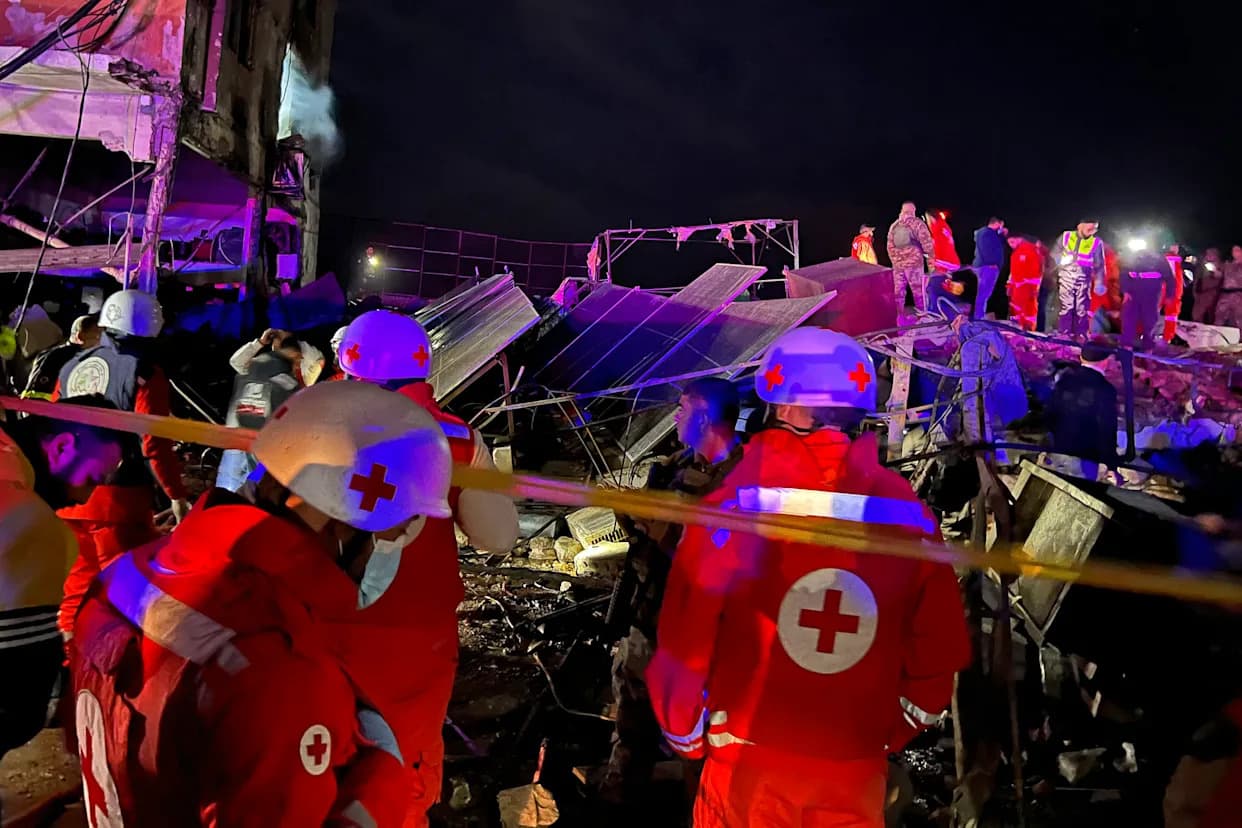
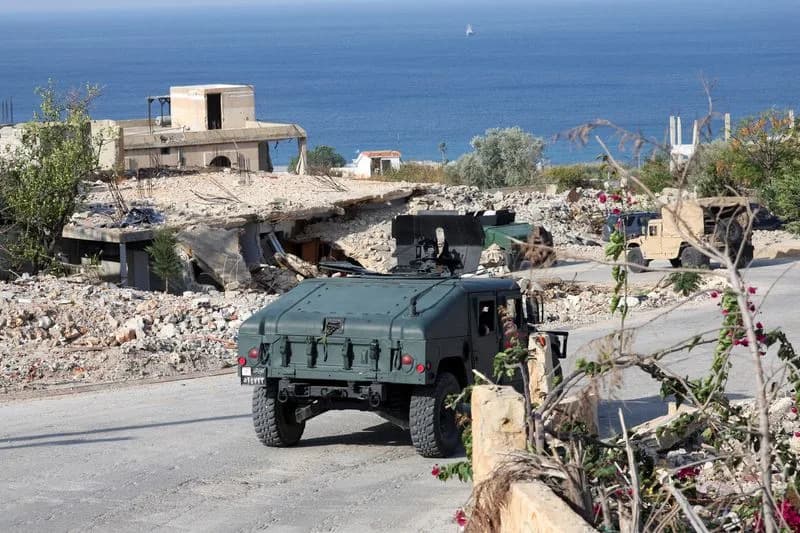
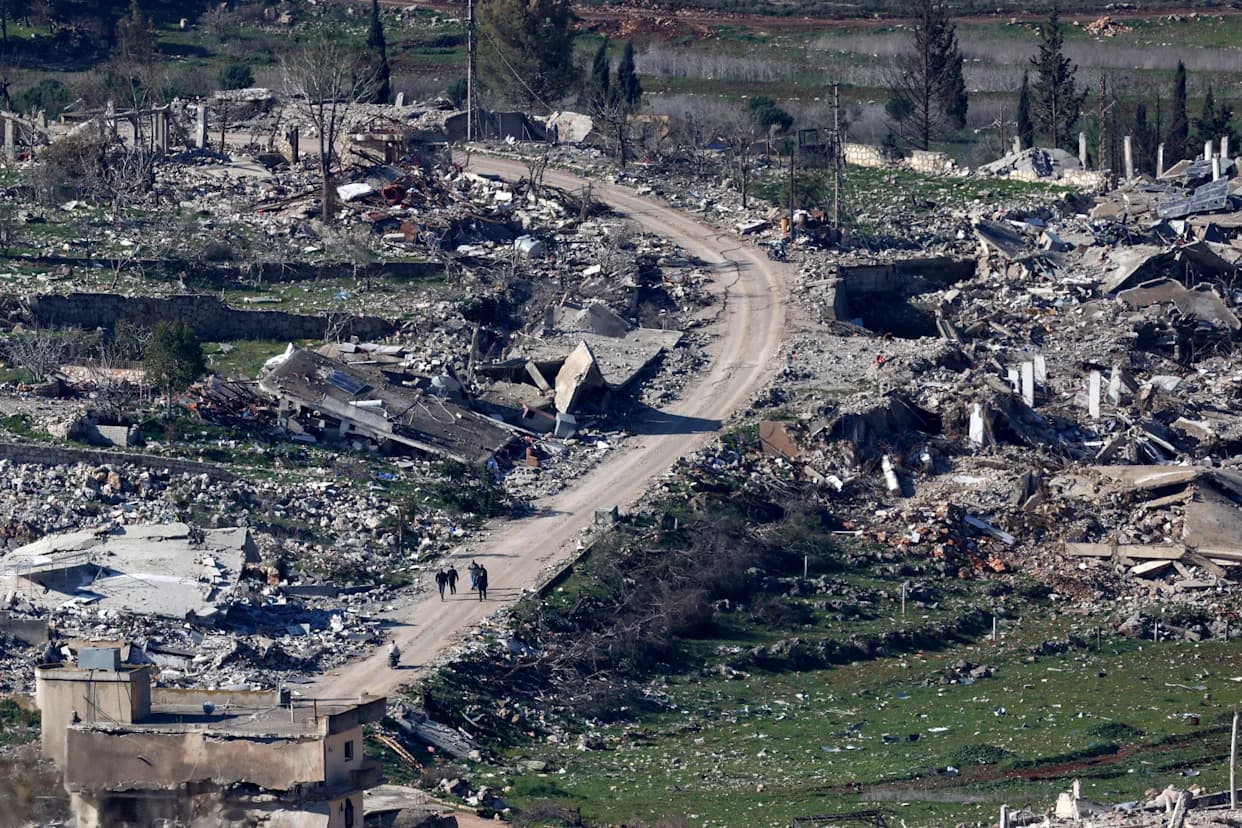
Despite the ceasefire, Israeli air strikes have continued intermittently, and Israeli forces remain deployed in five areas of southern Lebanon even though the truce called for a complete pullback. Beirut says its army will dismantle Hezbollah's military infrastructure south of the Litani River by the end of the year under a government-approved plan; Israel has judged those efforts insufficient and has stepped up strikes in recent weeks.
Israeli media have reported preparations for a possible significant escalation with Hezbollah, underscoring how fragile the ceasefire remains even as diplomats test new channels for dialogue.
Help us improve.