Prime Minister Nawaf Salam said Lebanon is days away from completing the first phase of consolidating Hezbollah’s weapons south of the Litani River under a US-backed ceasefire framework. The Lebanese Army was ordered on August 5 to draft a plan to restore the state's monopoly on arms by year-end. Civilian talks in Naqoura focused on safe returns and reconstruction to reduce the risk of renewed conflict.
Lebanon Nears Completion Of First Phase To Disarm Hezbollah South Of The Litani, PM Says

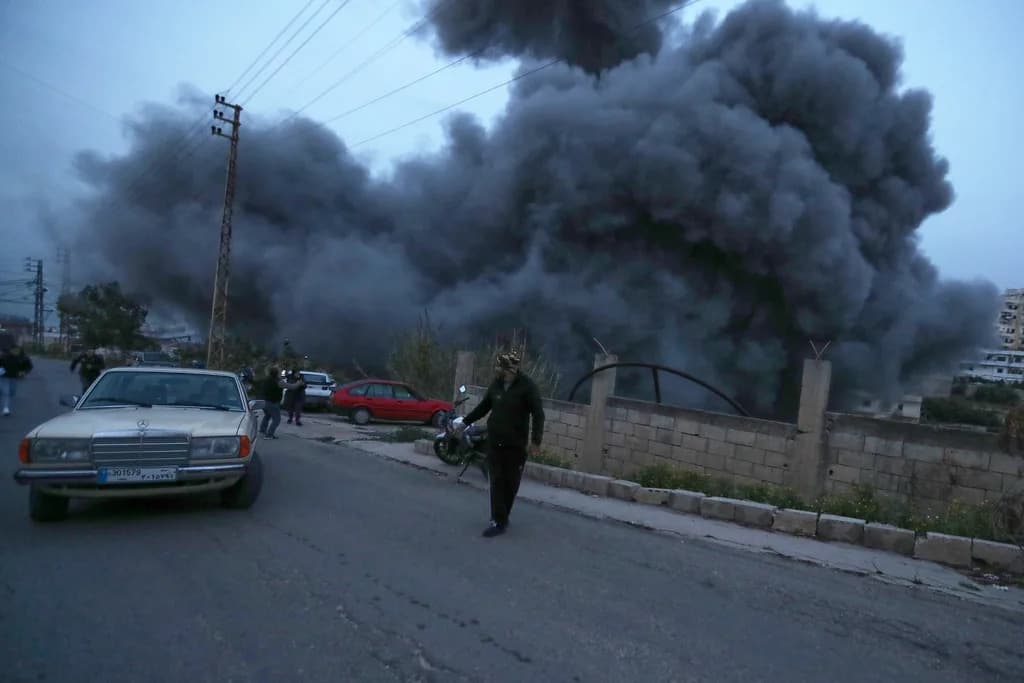
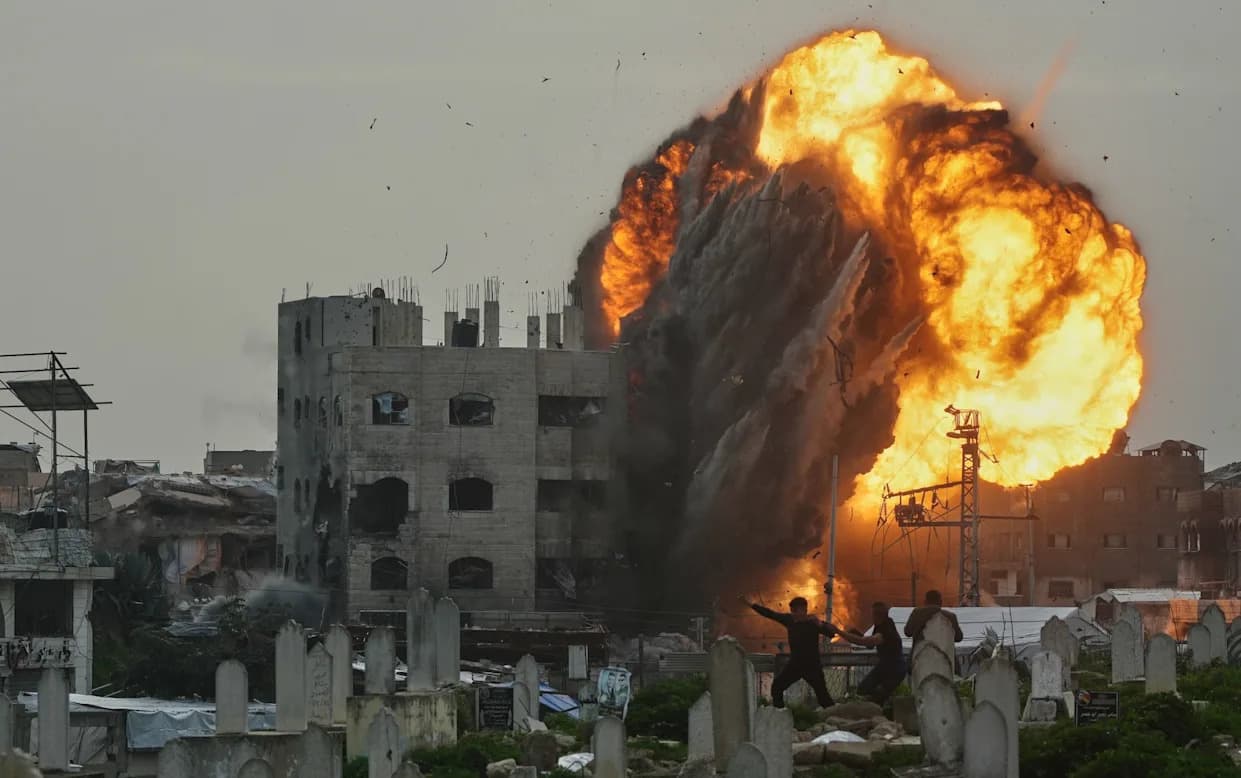
Smoke billows from the site of an Israeli air strike that targeted the southern Lebanese village of al-Mjadel on December 4 [Kawant Haju/AFP]
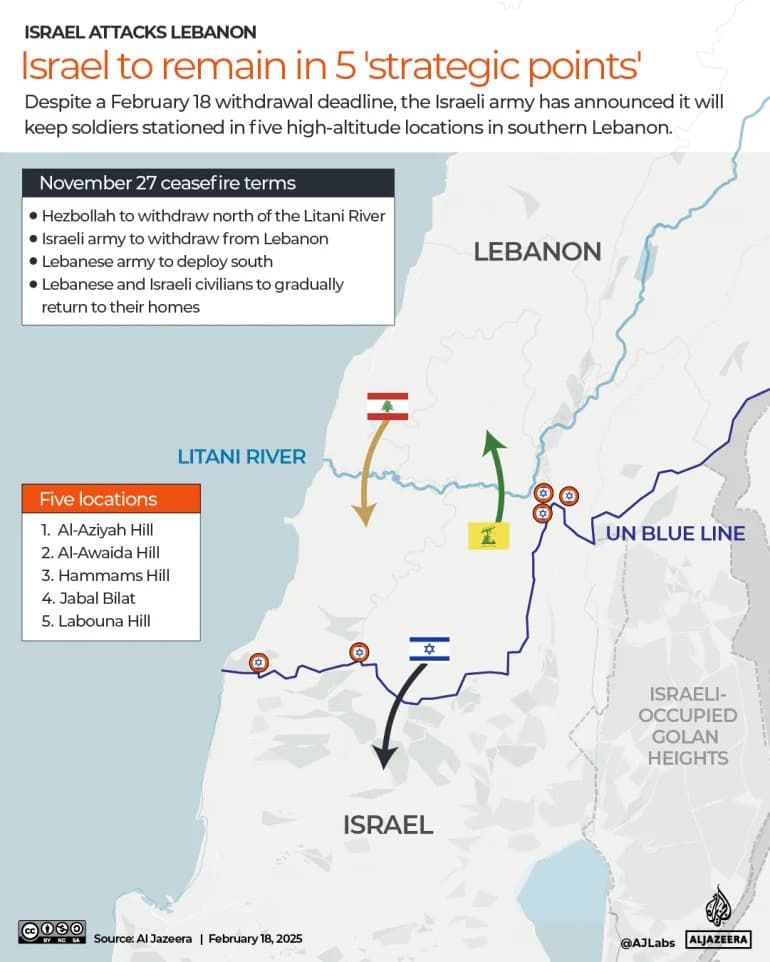
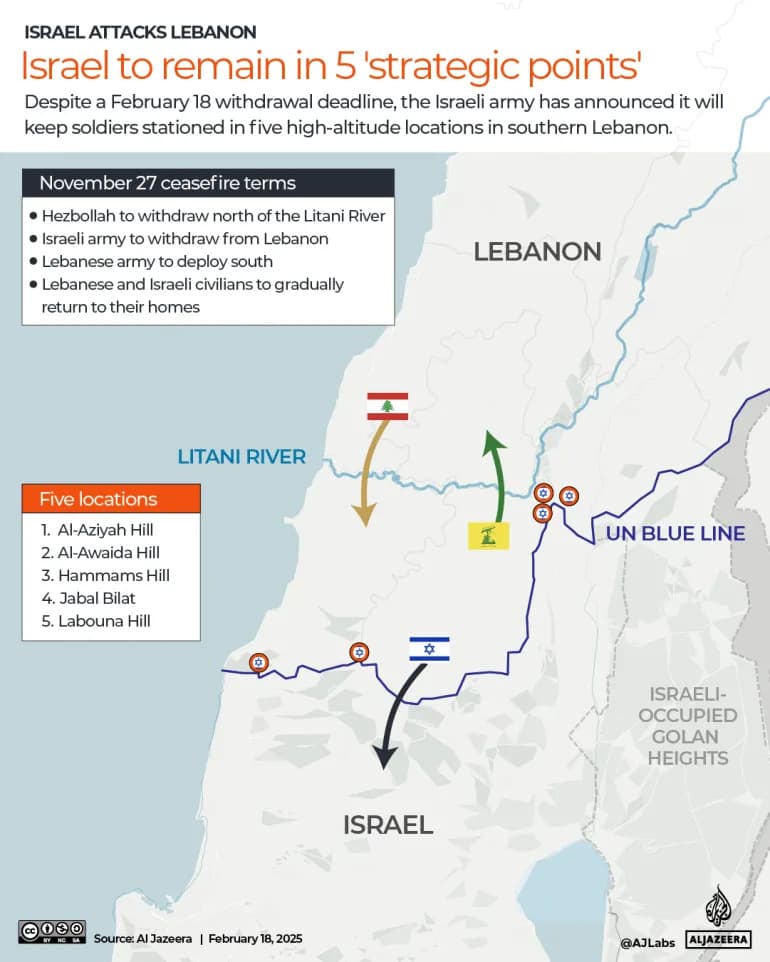
Lebanon says it is days away from completing the first phase of a weapons consolidation plan targeting Hezbollah positions south of the Litani River, Prime Minister Nawaf Salam announced on Saturday. The move is part of a US-backed ceasefire agreement reached in November that helped end more than a year of fighting between Israel and Hezbollah.
The deal requires phased disarmament of the Iran-aligned group beginning in southern areas bordering Israel. On August 5, President Joseph Aoun and Prime Minister Salam tasked the US-supported Lebanese Army with devising a plan to restore the state's monopoly on weapons by the end of the year.
"The first phase of the weapons consolidation plan related to the area south of the Litani River is only days away from completion," the prime minister's office quoted Salam as saying. He added that the state is prepared to move to the second phase north of the Litani based on the army's plan.
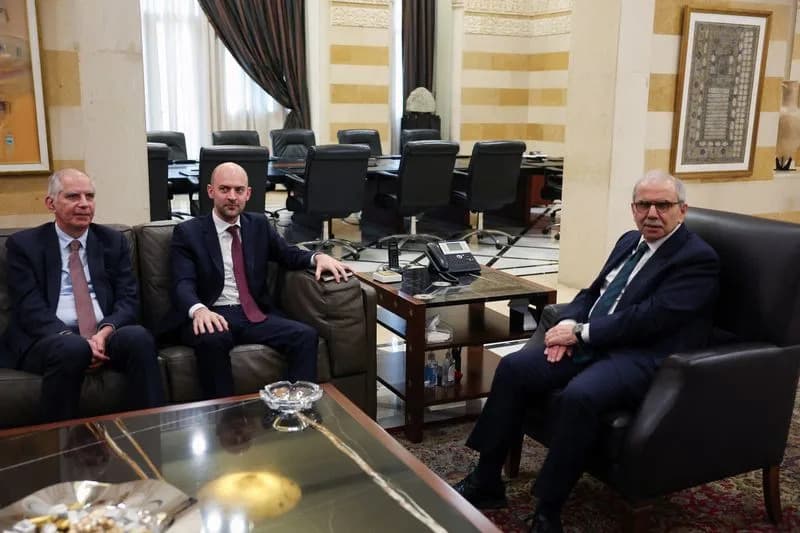
Salam made the remarks after meeting Simon Karam, Lebanon's chief civilian negotiator on the committee overseeing the truce. Friday's session — the committee's 15th meeting — focused on civilian issues such as safe returns for displaced people and steps for economic reconstruction to reduce the risk of renewed conflict if the year-end disarmament target is not met.
Committee Talks And Civilian Priorities
At a gathering in the southern coastal town of Naqoura, civilian participants discussed practical measures to enable residents uprooted by the 2023–24 war to return safely and to accelerate reconstruction, the US Embassy in Beirut said. Expanding the committee's remit beyond ceasefire monitoring reflects continued US efforts to address the humanitarian and political dimensions of the truce.
Regional Tensions And Next Steps
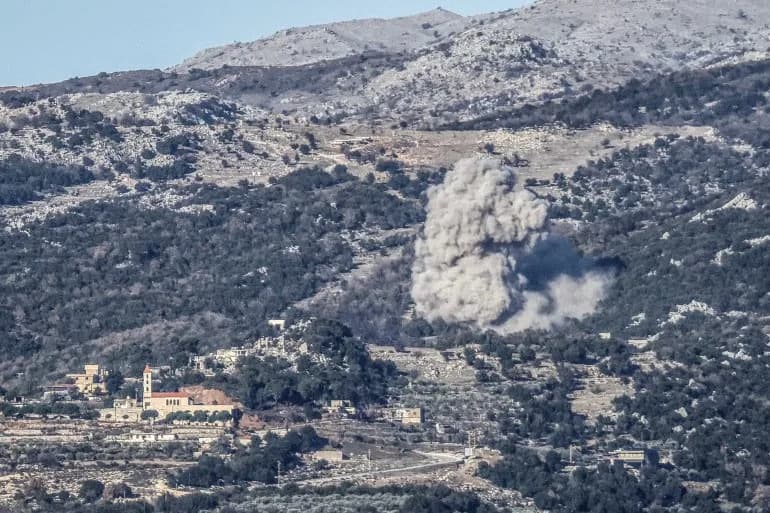
Since the ceasefire, Israeli warplanes have repeatedly struck parts of Lebanon, mainly the south and occasionally near the capital, raising concern about the durability of the truce. Israel has expressed doubts about the Lebanese Army's capacity to disarm Hezbollah and has warned it will act "as necessary" if Lebanon fails to take sufficient measures.
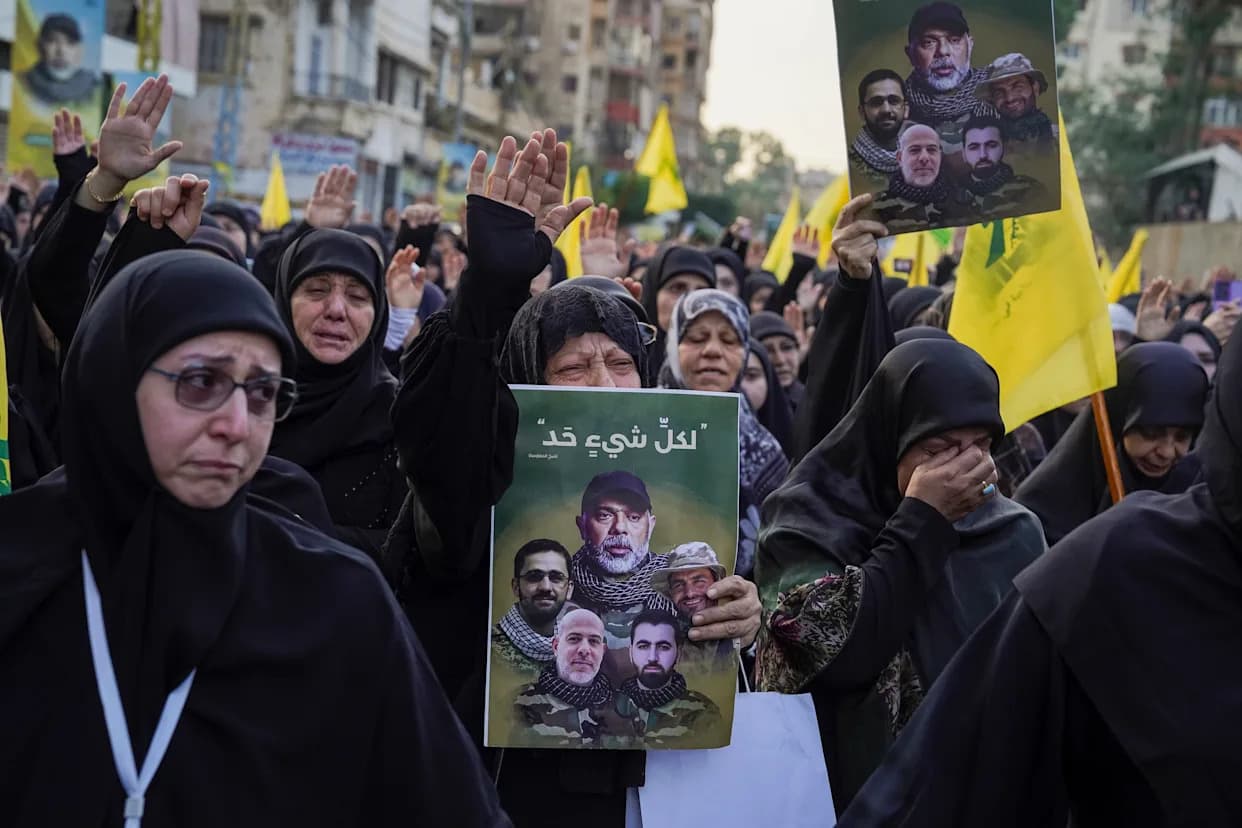
Hezbollah, a Shia armed movement, has resisted calls from domestic opponents and international actors, including the US and Saudi Arabia, to relinquish its arsenal. The group argues that disarmament while Israeli strikes continue would leave Lebanon vulnerable.
Officials say the government is ready to begin the second phase — consolidating weapons north of the Litani — once the army's plan is implemented and earlier steps are confirmed complete. Observers warn that meeting the year-end deadline will be politically and logistically challenging and that progress on civilian protections and reconstruction will be crucial to preventing a return to large-scale hostilities.
Help us improve.