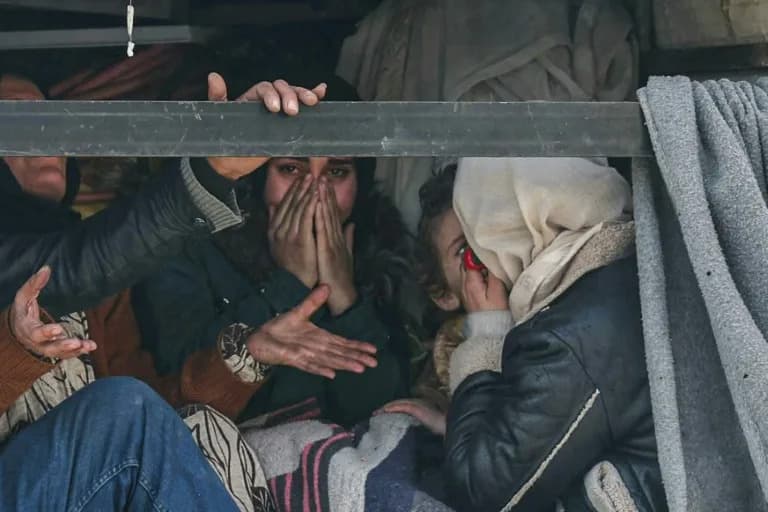
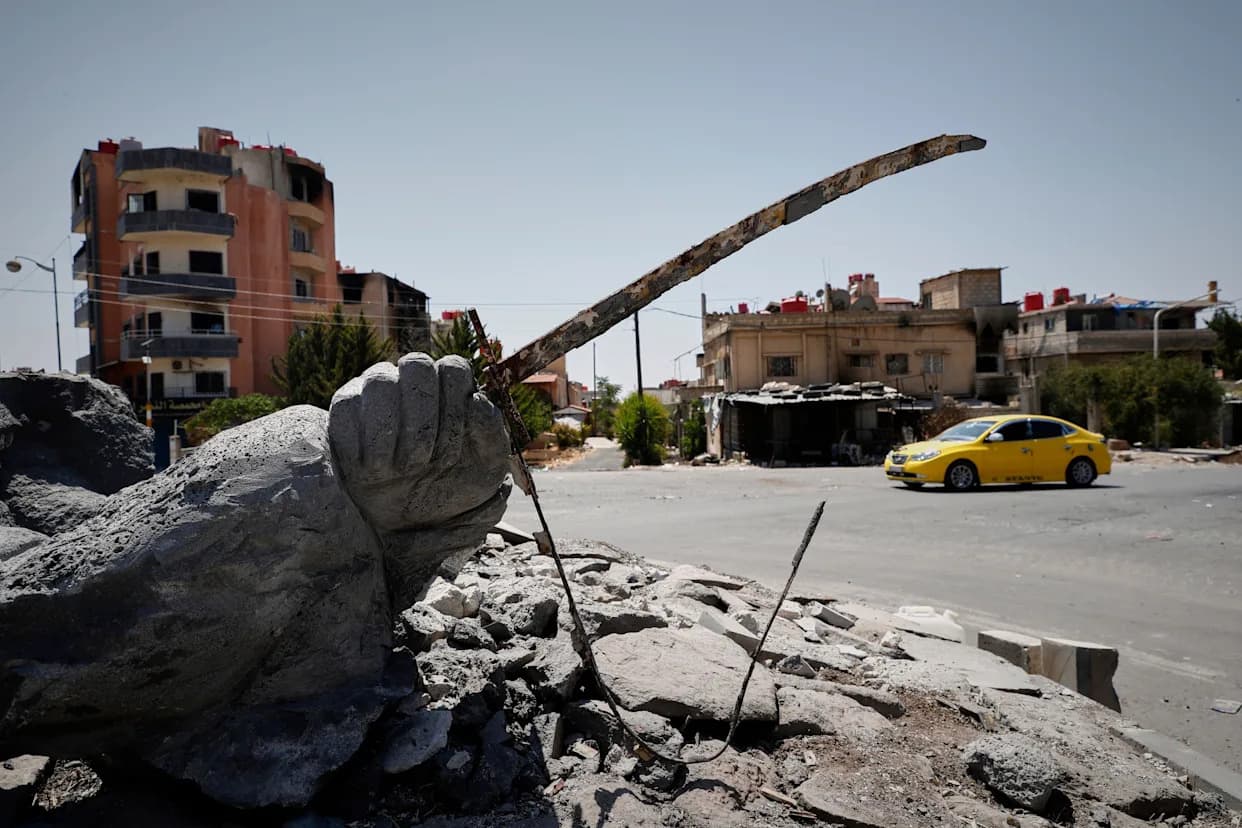
The EU Agency for Asylum has updated its guidance for Syrian asylum claims one year after Bashar al-Assad’s fall, potentially affecting about 110,000 pending cases. Opponents of Assad and military evaders are now generally considered not at risk, while people linked to the former regime and some minority communities (Alawites, Christians, Druze) remain vulnerable. The agency calls Syria "improved but volatile," designates Damascus as generally safe, and keeps protections for LGBTQ+ people and unassisted Palestinians.
EU Revises Asylum Guidance for Syrians One Year After Assad’s Fall

The EU Agency for Asylum has issued updated guidance for asylum claims by Syrian nationals, reflecting changed conditions in Syria one year after the fall of Bashar al-Assad in December 2024. The revisions could affect the outcomes of roughly 110,000 pending Syrian asylum cases reported at the end of September.
Key changes: The agency states that opponents of Assad and those who evaded military service are generally "no longer at risk of persecution" under current conditions. At the same time, it cautions that other groups may still face serious danger in a post‑Assad Syria — notably people associated with the former government and members of minority communities including Alawites, Christians and Druze.
The guidance also identifies LGBTQ+ individuals and Palestinians in Syria who no longer receive United Nations assistance or protection as groups that should remain eligible for refugee status.
While asylum decisions are taken by national authorities, the agency’s guidance is intended to promote more consistent decision‑making across the 27 EU member states plus Norway and Switzerland. The agency describes conditions in Syria since Assad’s ouster as "considered improved but volatile," and warns that "indiscriminate violence continues to take place" in parts of the country. It now considers Damascus to be generally safe.
Context and numbers
The number of Syrians seeking asylum in Europe has fallen sharply, from about 16,000 in October 2024 to roughly 3,500 in September 2025. Despite that decline, Syrians still account for the largest share of first‑instance cases awaiting decisions.
Since the conflict that began in March 2011, nearly 500,000 people have been killed and roughly half of Syria’s pre‑war population of 23 million has been displaced. More than 5 million people fled abroad, most to neighboring countries such as Turkey; many also reached Europe and contributed to the continent’s 2015 refugee crisis.
According to the U.N. High Commissioner for Refugees, more than 1 million people have returned to Syria since Assad’s fall, and nearly 2 million have returned internally to their home regions — movements that highlight both improving stability in some areas and ongoing risks in others.
Implications
The updated guidance will be used by national authorities to inform asylum decisions and could prompt reassessments or appeals in numerous pending cases. Authorities are urged to maintain careful, individualized assessments — particularly for applicants from communities identified as vulnerable — because security conditions remain uneven across the country.
Sources: EU Agency for Asylum; U.N. High Commissioner for Refugees.
Help us improve.