Human Rights Watch says Syrian authorities have failed to ensure accountability for sectarian killings during July clashes in Sweida, documenting 86 apparently unlawful civilian deaths (67 Druze, 19 Bedouin). Witnesses reported summary executions and property destruction by government forces, as well as looting and kidnappings by armed Bedouin groups and retaliatory raids by Druze militias. The U.N. estimates about 187,000 people were displaced. Damascus has opened an investigation and detained some security personnel, but the inquiry is still ongoing and no trials have started.
Human Rights Watch: Syrian Authorities Failed To Deliver Justice After Deadly Sweida Sectarian Killings
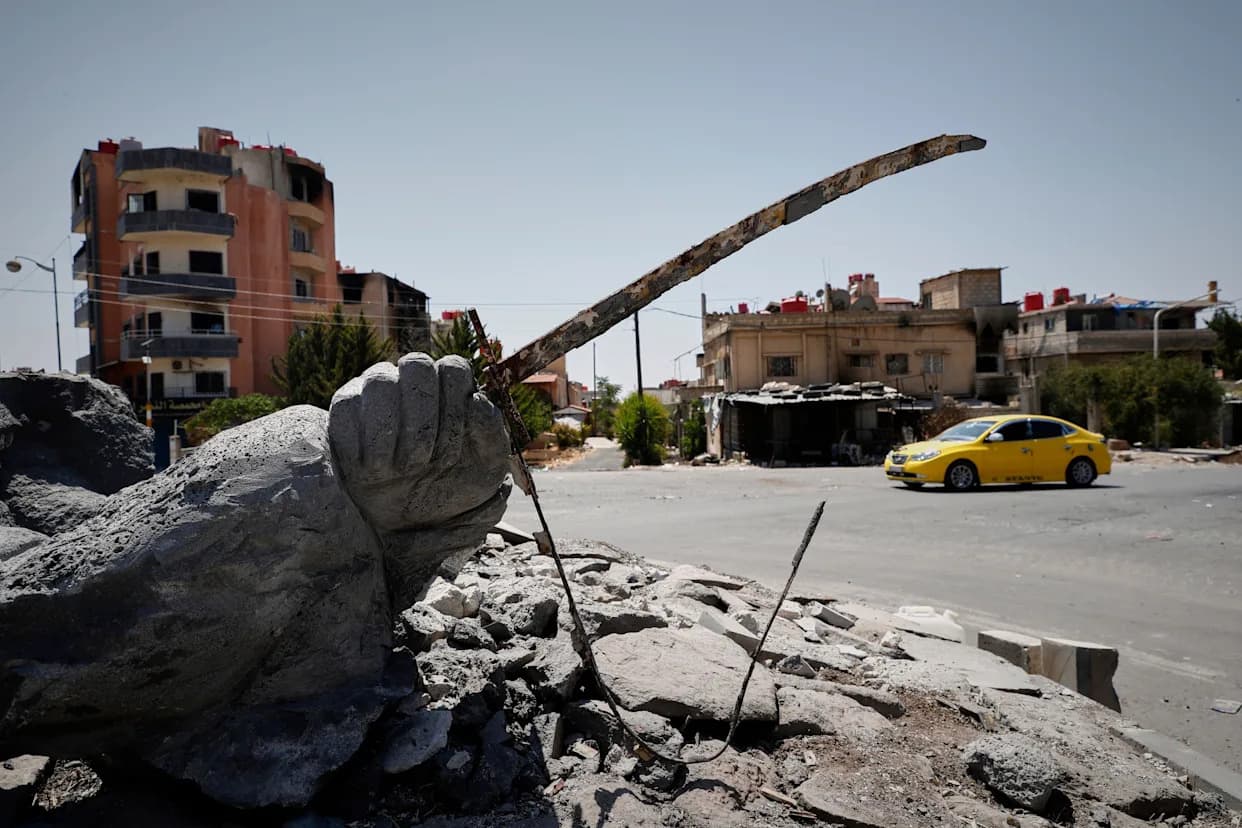
FILE - A car drives by a destroyed statue in the Druze-majority town of Sweida, Syria, July 25, 2025. (AP Photo/Omar Sanadiki, File)
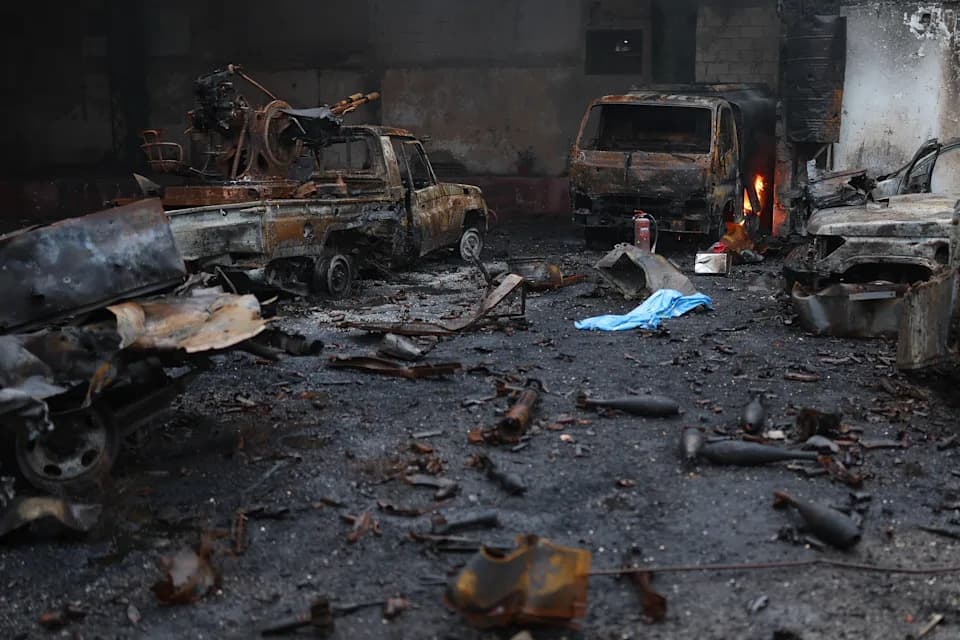
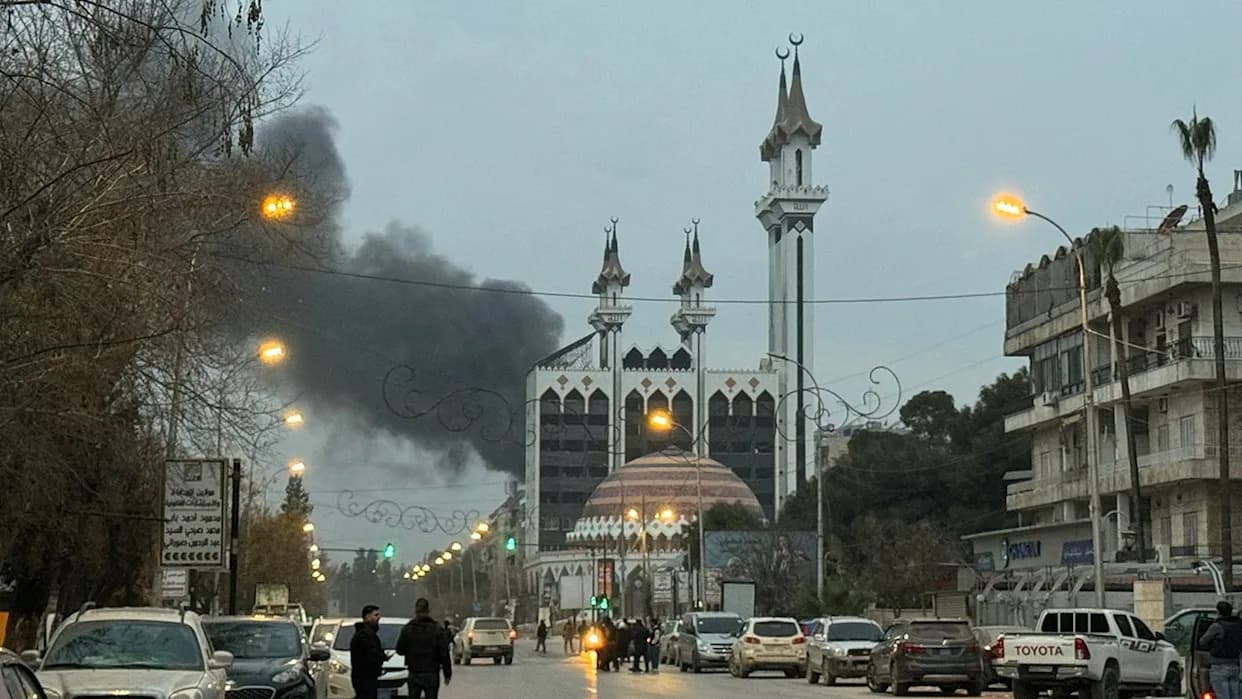
Human Rights Watch has sharply criticized the Syrian government for failing to hold perpetrators accountable after sectarian clashes in July that devastated Sweida province and left hundreds of civilians dead. The rights group documented dozens of apparently unlawful killings, detailed accounts of summary executions and property destruction, and called for senior-level accountability and security-sector reform.
Findings From The Human Rights Watch Report
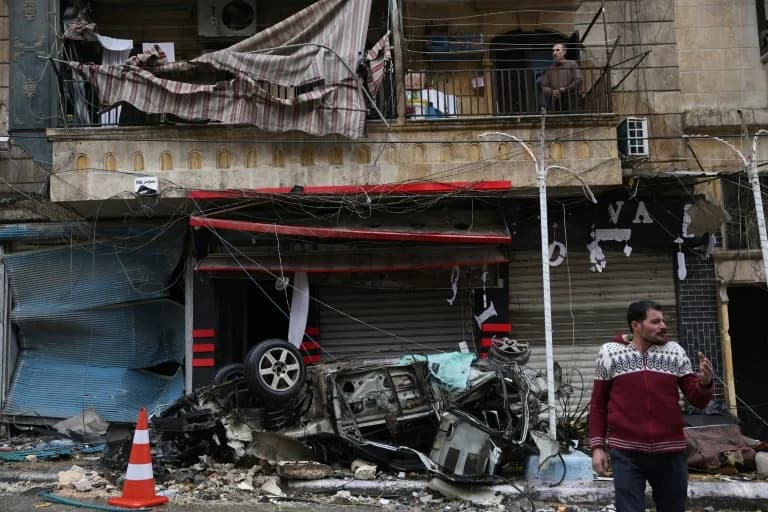
The report documents 86 "apparently unlawful killings" of civilians in Sweida province in July: 67 victims identified as Druze and 19 as Bedouin. Investigators interviewed eyewitnesses and survivors who described instances in which government forces destroyed civilian property and carried out summary killings.
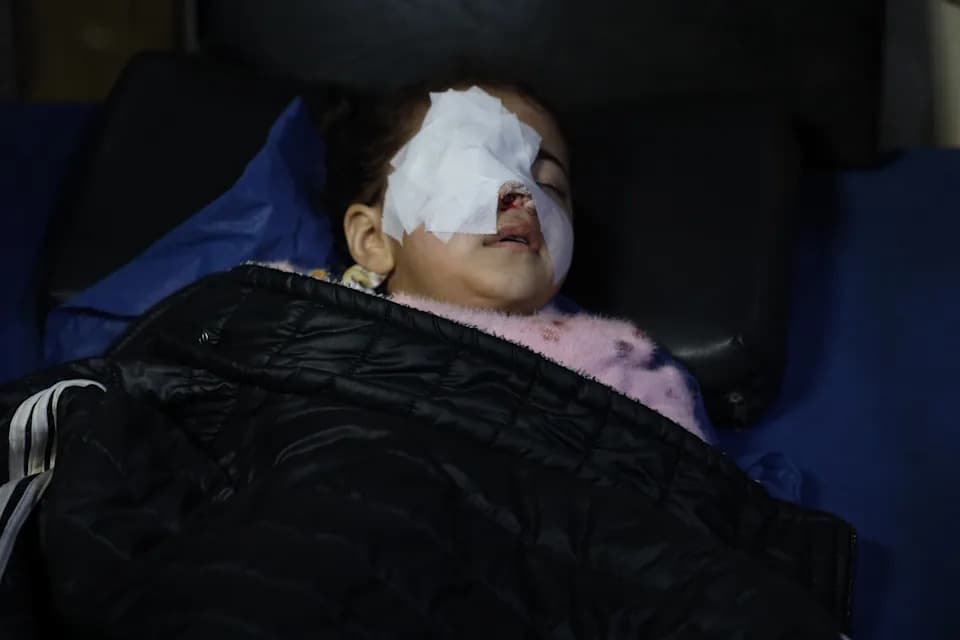
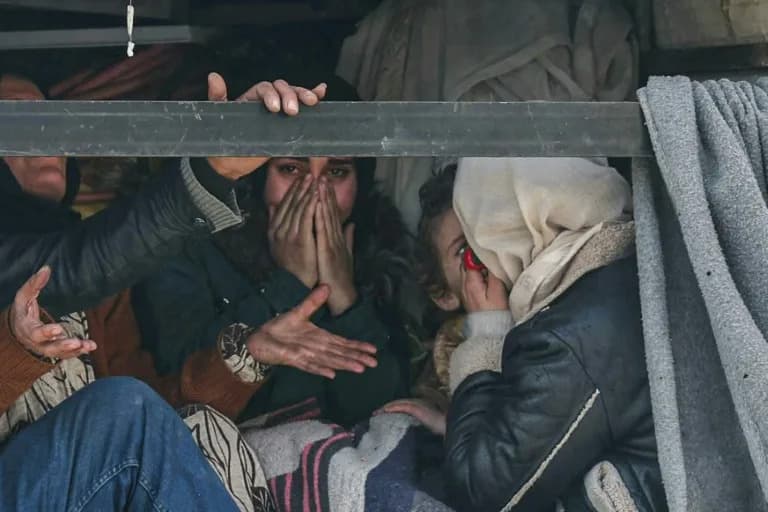
Witnesses also told Human Rights Watch that armed Bedouin factions supported by government forces looted homes and abducted civilians, while Druze militias launched retaliatory raids that detained Bedouin civilians. The United Nations estimated that about 187,000 people were displaced by the end of July as the violence escalated.
"The government's acknowledgment of atrocities isn't enough if those leading and directing abusive forces are shielded from justice," said Adam Coogle, deputy Middle East director at Human Rights Watch. "Without senior-level accountability and structural reform of the security sector, Syria will continue to face cycles of violence and reprisals."
Government Response And Ongoing Investigation
Damascus has said it is investigating the Sweida incidents. In September, authorities announced that several members of the military and security services had been detained. A government body was tasked with reporting on abuses within three months, but the committee later requested a two-month extension and said it would publish findings by the end of the year. As of now, the probe appears to be ongoing and no trials have begun related to the Sweida clashes.
Wider Context And Regional Tension
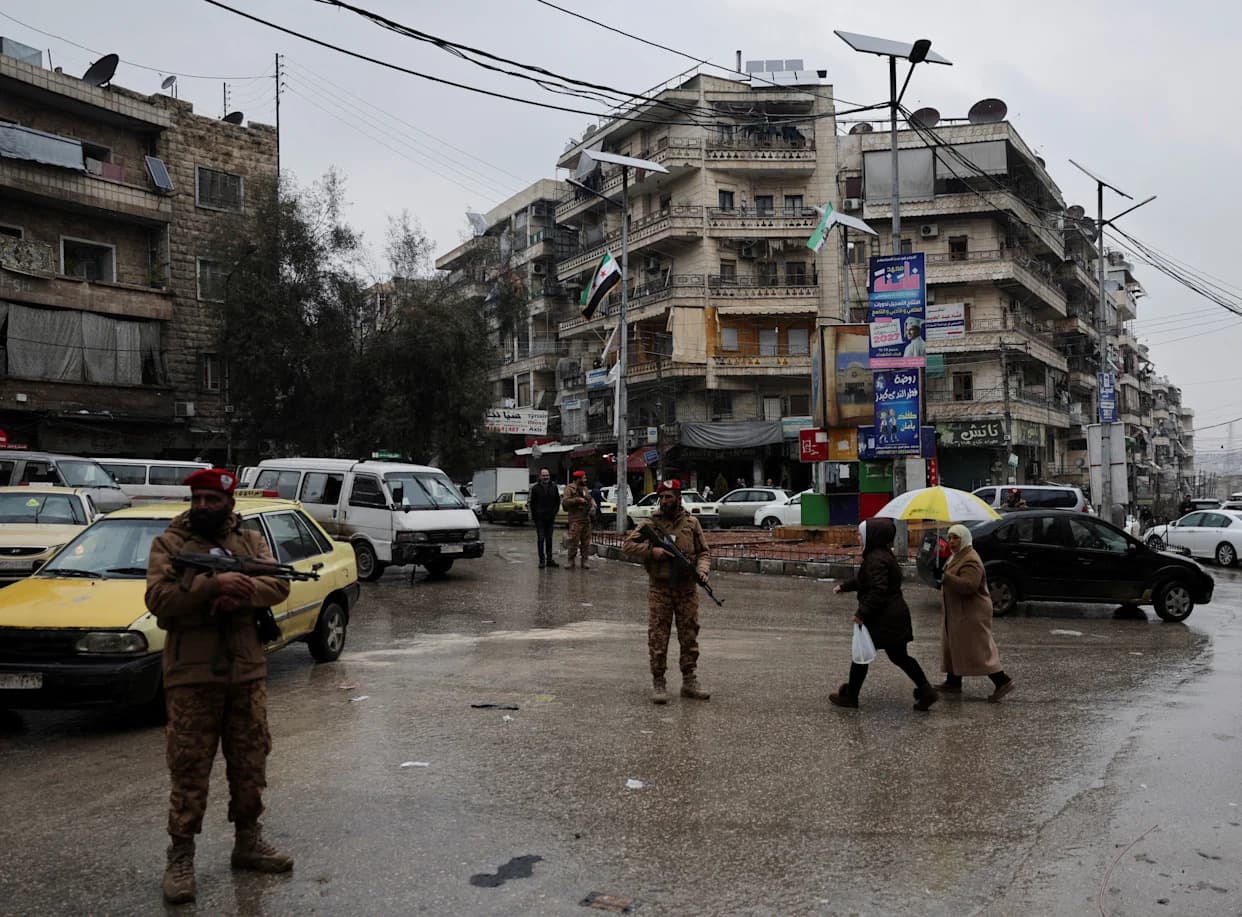
The clashes in Sweida are part of a broader pattern of localized violence and sectarian reprisals that have affected multiple parts of Syria. Government forces were reported to have intervened in Sweida on the side of some Bedouin fighters, and Human Rights Watch documented revenge attacks by Druze militias. The report also references concurrent tensions elsewhere in Syria, including clashes involving the Kurdish-led Syrian Democratic Forces in the northeast and ongoing trials in Aleppo linked to sectarian violence along the coast that targeted Alawite communities.
The majority of Syria's Druze population lives in Sweida province. Following the July violence, many militias consolidated under local leaders, creating de facto zones of armed control across parts of the province. Some reports cited in the Human Rights Watch analysis allege external backing for local forces; such claims remain politically sensitive and contested.
What Human Rights Watch Is Calling For
Human Rights Watch urges transparent, independent investigations, prosecutions of those responsible at senior levels, and structural reform of Syria's security services to prevent further cycles of violence and reprisals. The group warns that without meaningful accountability, impunity will likely fuel renewed tensions and displacement.
Help us improve.