Archaeologists uncovered the largest known Ming Dynasty cannon at Jiankou—a bronze piece 89.2 cm long and 112.1 kg with legible inscriptions that illuminate Ming firearms production and military-technology exchange. Excavations also revealed burial grounds, moats, residential remains, 28 turquoise items from the Xia and Shang dynasties, storage rooms for frontier troops, and three previously unknown watchtowers. The project was reportedly financed by social organizations.
Record Ming Dynasty Cannon Unearthed at Jiankou Great Wall, Alongside Ancient Tombs and Watchtowers

Archaeologists have uncovered the largest known Ming Dynasty cannon to date during excavations at the Jiankou section of the Great Wall. The bronze piece measures 89.2 centimetres in length and weighs 112.1 kilograms.
Shang Heng, an associate research fellow at the Beijing Institute of Archaeology, presented the team's findings and noted that the cannon bears clear, well-preserved inscriptions. "Well-preserved inscriptions on the cannon provide crucial new evidence for research on firearms manufacturing and historical military technology exchange during the Ming period," he said.
Other discoveries at the site
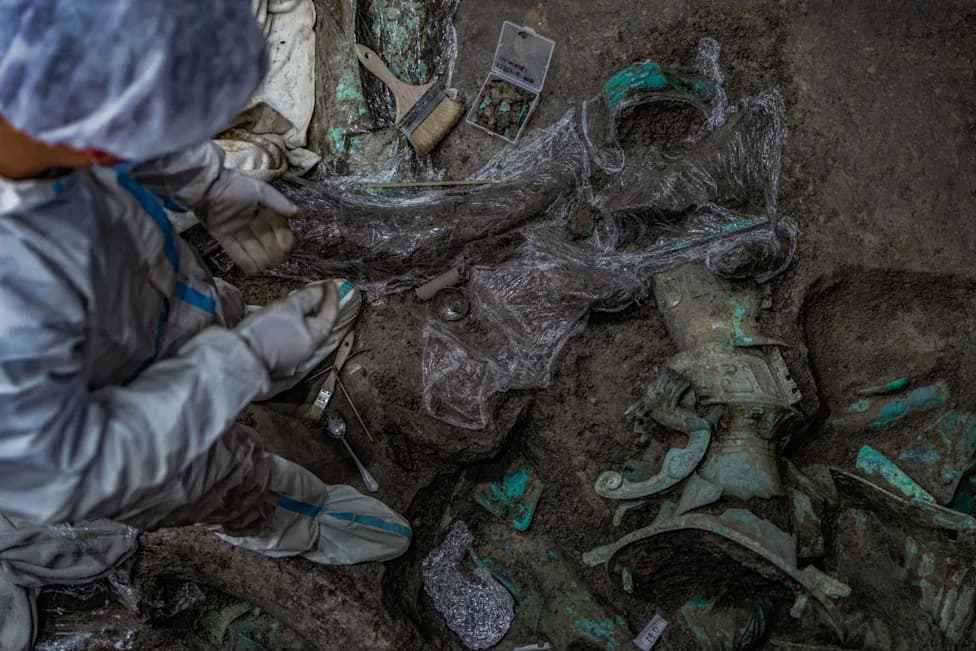
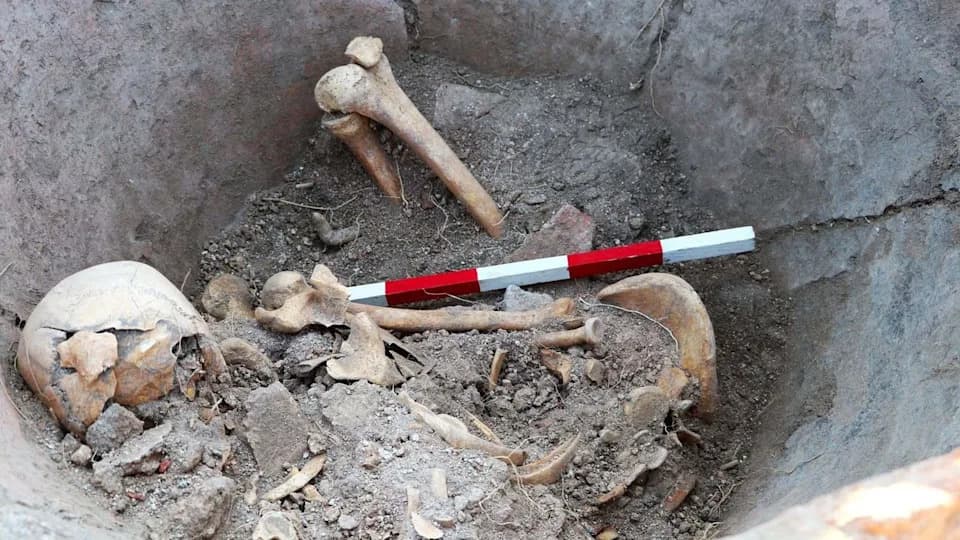
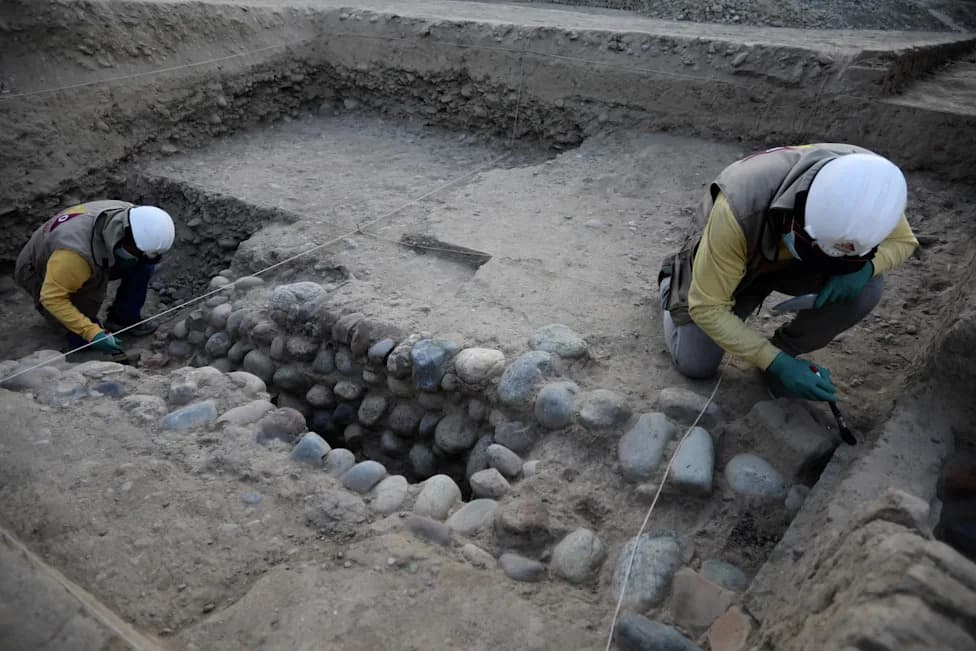
The excavation exposed a wide range of additional remains: burial grounds, defensive moats, residential foundations, and 28 turquoise objects dated to the Xia (c. 2070–1600 BCE) and Shang (c. 1600–1046 BCE) dynasties. Researchers also identified storage rooms used by frontier garrison troops in the Ming era, plus three previously unknown watchtowers and stretches of connecting wall.
The project was reportedly funded by social organizations rather than by government or construction projects.
Significance
The cannon’s size and legible inscriptions strengthen understanding of late-medieval Chinese firearms production and the circulation of military technology. Combined with the prehistoric turquoise artifacts and newly documented defensive structures, the finds offer a long-term view of occupation, defense strategy, and craft production at this stretch of the Great Wall.
Help us improve.