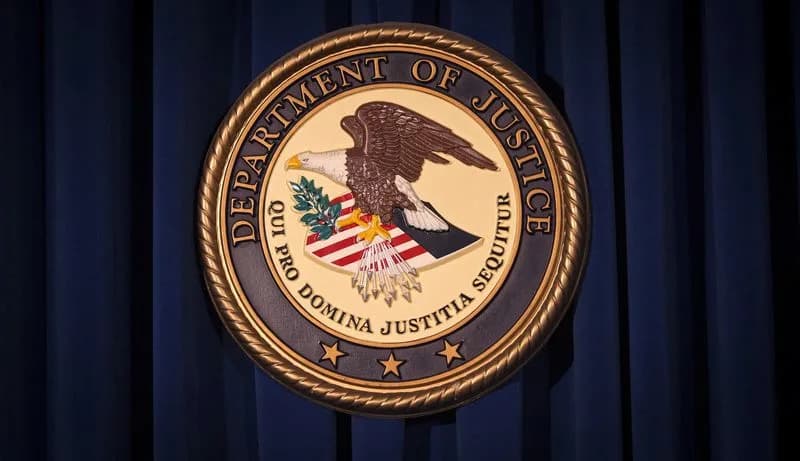
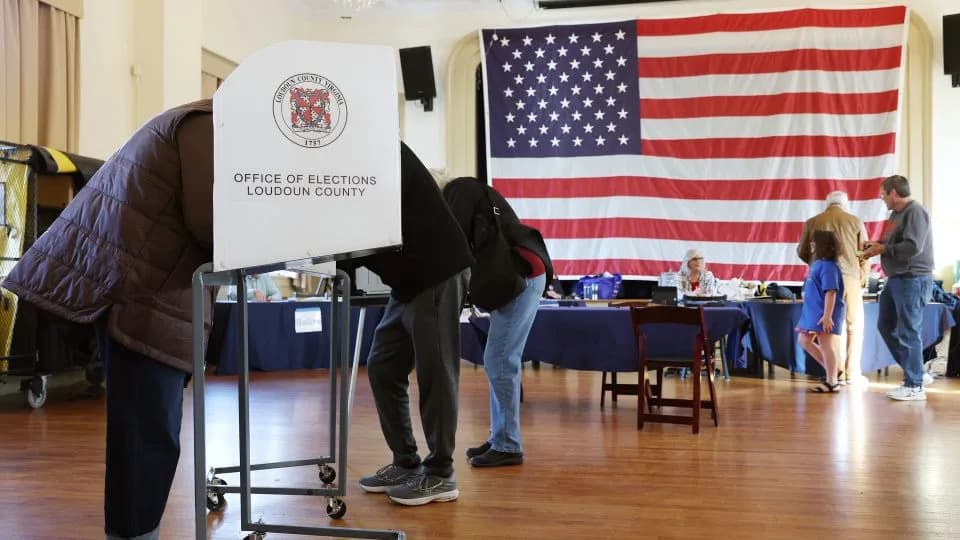
The Justice Department sued six more states — Delaware, Maryland, New Mexico, Rhode Island, Vermont and Washington — for refusing to turn over statewide voter registration lists, bringing the total number sued to at least 14. DOJ says the requests are meant to protect election integrity; critics warn of federal overreach and privacy risks because personally identifiable information has been sought. The disputes have prompted lawsuits by voting-rights groups and drawn objections from state officials who cite constitutional authority over elections.
DOJ Expands Lawsuits: Six More States Sued for Refusing Voter Registration Data

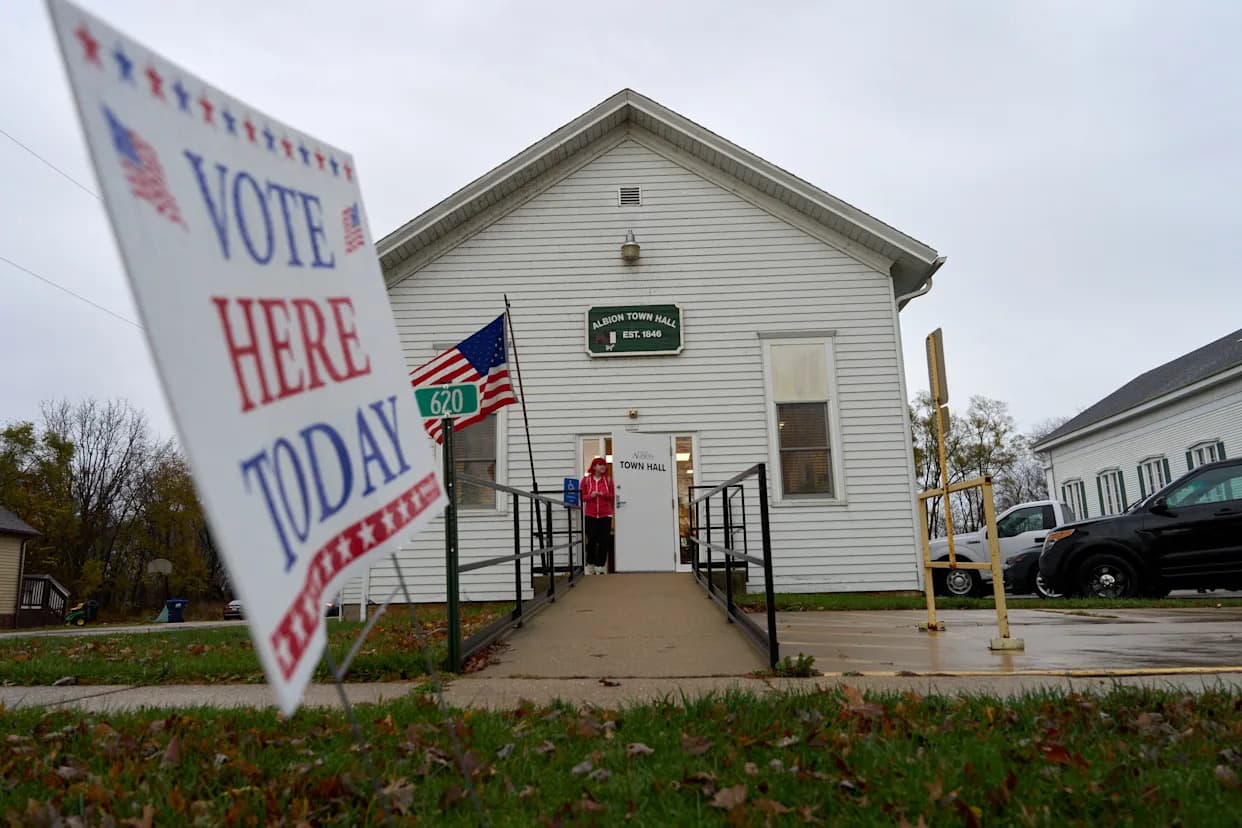
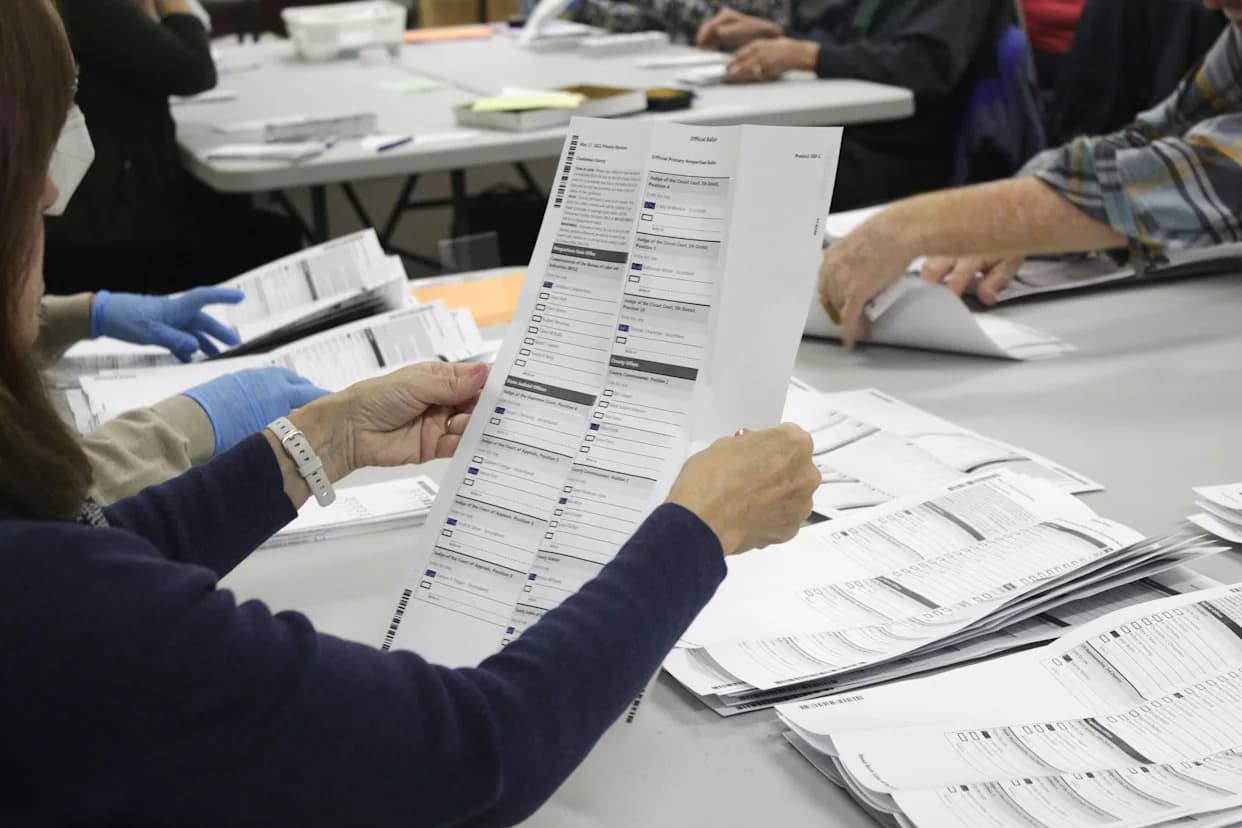
The Justice Department filed lawsuits Tuesday against six additional states — Delaware, Maryland, New Mexico, Rhode Island, Vermont and Washington — after those states declined to provide statewide voter registration lists and related election records. These actions are part of a broader campaign that has now targeted at least 14 states and follows requests for data from at least 26 states.
The department says the requests are intended to ensure accurate voter rolls and protect election integrity. Critics, including Democratic state officials and voting-rights groups, warn the effort could amount to federal overreach and raise serious privacy concerns because the Justice Department has sought personally identifiable information, such as names, birth dates, addresses, and driver's license numbers or partial Social Security numbers.
"Our federal elections laws ensure every American citizen may vote freely and fairly," said Assistant Attorney General Harmeet Dhillon of the Civil Rights Division. "States that continue to defy federal voting laws interfere with our mission of ensuring that Americans have accurate voter lists as they go to the polls, that every vote counts equally, and that all voters have confidence in election results."
Several states provided redacted voter lists that are already publicly available; others refused to supply unredacted files, citing their constitutional authority to administer elections and legal limits on sharing individual voter data. Rhode Island Attorney General Peter Neronha called the lawsuit politicization of the Justice Department and pledged to defend state officials in court.
What the DOJ asked for and why it matters
Many of the department's questions were routine — for example, how states detect duplicate registrations or remove deceased and otherwise ineligible voters. Other inquiries were state-specific and referenced data points or perceived inconsistencies identified in a recent Election Assistance Commission survey.
The push has triggered parallel legal challenges from voting-rights groups, which contend that recent updates to federal citizenship-verification tools could lead to improper purges of eligible voters. The litigation also comes amid former President Donald Trump's continued efforts to investigate the 2020 election and influence upcoming races, highlighting ongoing tensions between federal enforcement of voting laws and states' control over election administration.
Help us improve.