Researchers using fossils and genomic data report that endangered Australian Mountain Dragons are being pushed upslope by rising temperatures, causing habitat loss and reduced genetic diversity. Populations in Victoria, New South Wales and Tasmania have contracted and become more genetically isolated. The decline threatens the species' ability to adapt and may have wider ecological consequences. The study highlights the value of museum collections for conservation planning and calls for monitoring, habitat protection, and climate action.
Climate Warming Pushes Endangered Australian Mountain Dragons Upslope, Shrinking Habitat and Genetic Diversity
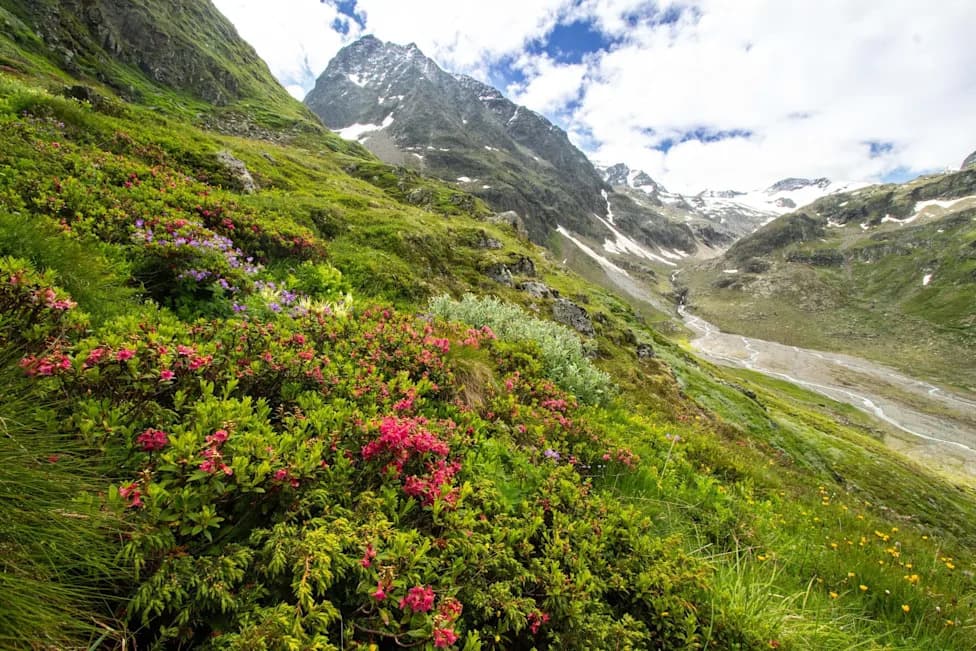
New research shows that the endangered Australian Mountain Dragon is retreating upslope as rising temperatures reduce the availability of cool refuges. Scientists combined fossil fragments with genomic data from living specimens to reconstruct the species' historical range and track changes in genetic diversity across southeastern Australia.
The study finds that populations that once occupied a broader area of Victoria, New South Wales and Tasmania have contracted and become increasingly isolated. As these cold-blooded reptiles depend on external temperatures to regulate their bodies, warming forces them into higher, cooler microclimates — but suitable habitat is limited and shrinking.
'Today, those populations have vanished. The remaining populations in Victoria, New South Wales and Tasmania have a reduced distribution and are more genetically isolated than in the past, and if global temperatures continue to rise, these lizards will eventually have nowhere left to go,' said Dr. Jane Melville, senior curator of terrestrial vertebrates at Museums Victoria Research Institute.
Genomic analyses reveal a loss of genetic diversity across remaining populations. Reduced genetic variation undermines a species' ability to adapt to new threats, increasing vulnerability to disease, predators and further environmental change. The researchers warn that similar reptile species in the same regions are likely to face comparable pressures.
Loss of a single species can trigger cascading effects throughout ecosystems and food webs, weakening the biodiversity that underpins ecosystem services like disease regulation, food and water security, and resilience to extreme weather.
'By studying specimens and fossils preserved in museum collections, we can see how species have responded to past environmental challenges and use those insights to inform future conservation,' said Dr. Nurin Veis, Director of Museums Victoria Research Institute.
What this means and next steps
The findings underscore the need for continued monitoring, targeted conservation of remaining populations and their microhabitats, and broader efforts to limit global warming. Protecting elevational corridors, managing threats at local sites, and preserving genetic diversity through habitat connectivity or assisted measures may buy these lizards time.
Individuals can also help by supporting climate-smart policies and reducing greenhouse gas emissions through actions such as conserving energy and water, reducing single-use plastic, and backing habitat-protection initiatives. Together, local conservation and global climate action can help preserve the cool refuges these species need.
Help us improve.