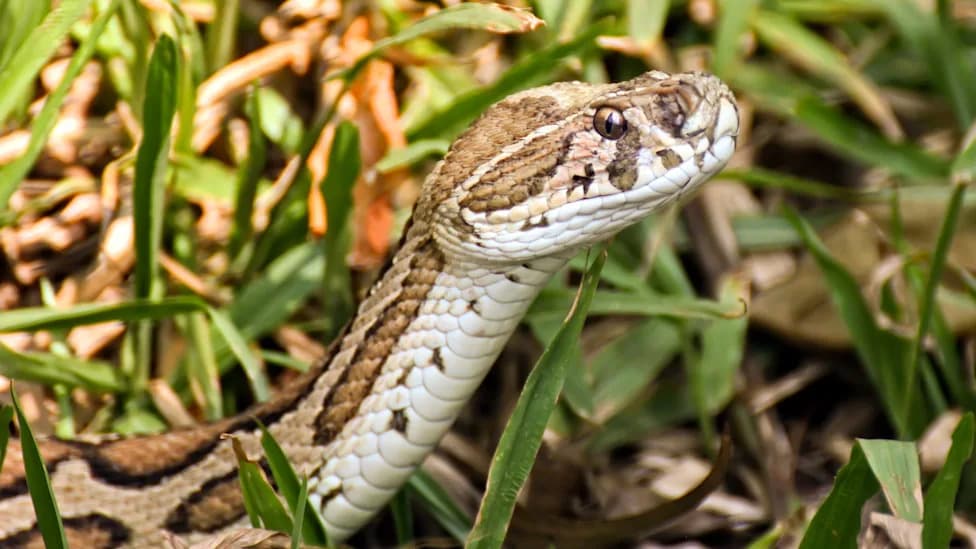
Researchers are investigating an unusual surge of sea snake strandings in Western Australia, with more than a dozen found at Nanga Bay since October. Northern waters host 20+ protected sea snake species, two of which are critically endangered. Possible causes include bycatch, illness or injury, and extreme weather that sweeps animals ashore; a 2010 heatwave previously coincided with a reported ~76% local decline. The public is urged not to touch stranded snakes and to report sightings with time, date and location.
Surge of Sea Snake Strandings in Western Australia Puzzles Scientists — Public Asked to Report Sightings

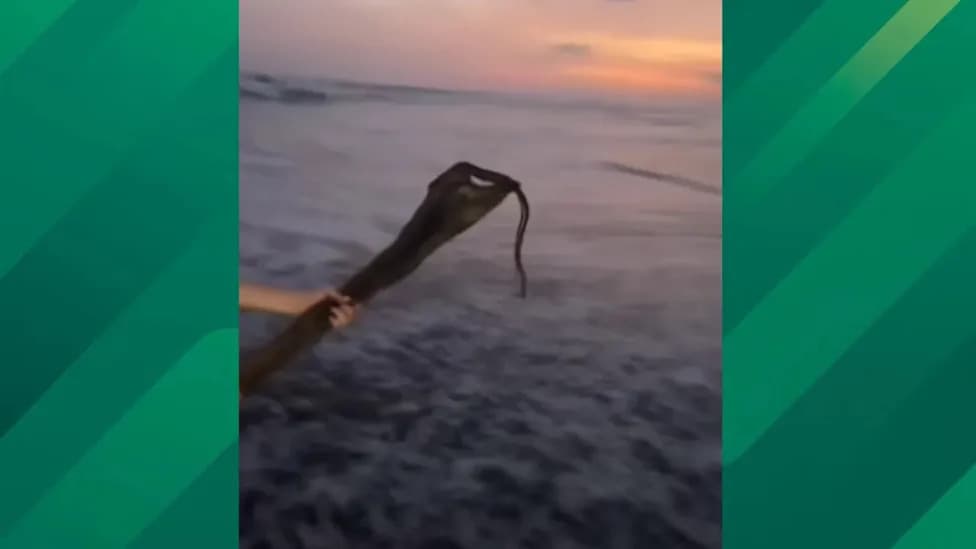
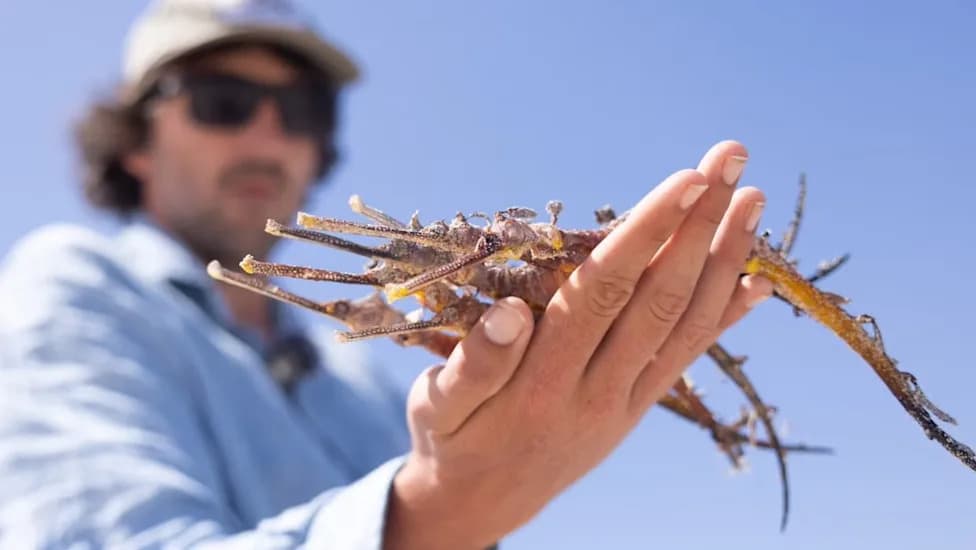
Researchers are alarmed by an unusually high number of sea snakes washing up or becoming stranded on Western Australian beaches, with more than a dozen recorded at Nanga Bay since October. The incidents have prompted concern about the health of local marine ecosystems and renewed efforts to collect field data.
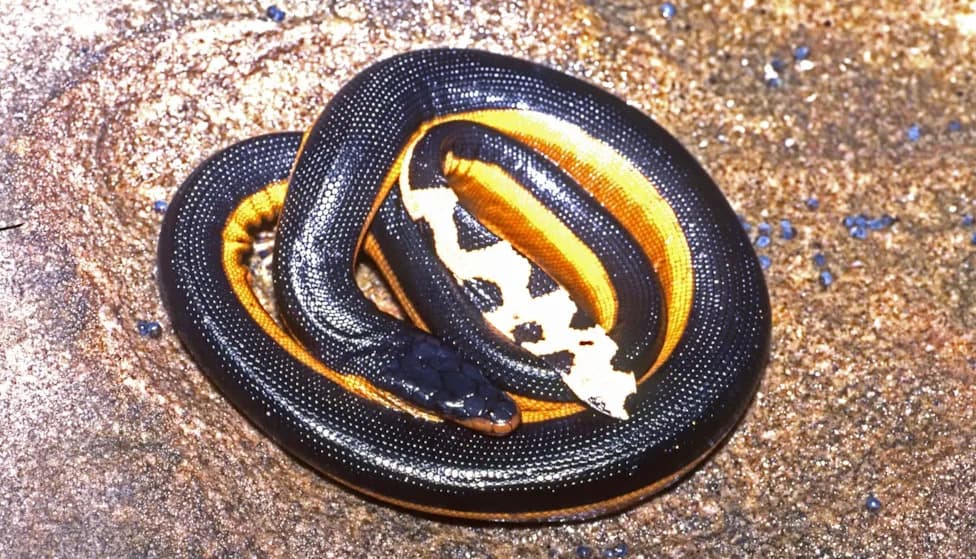
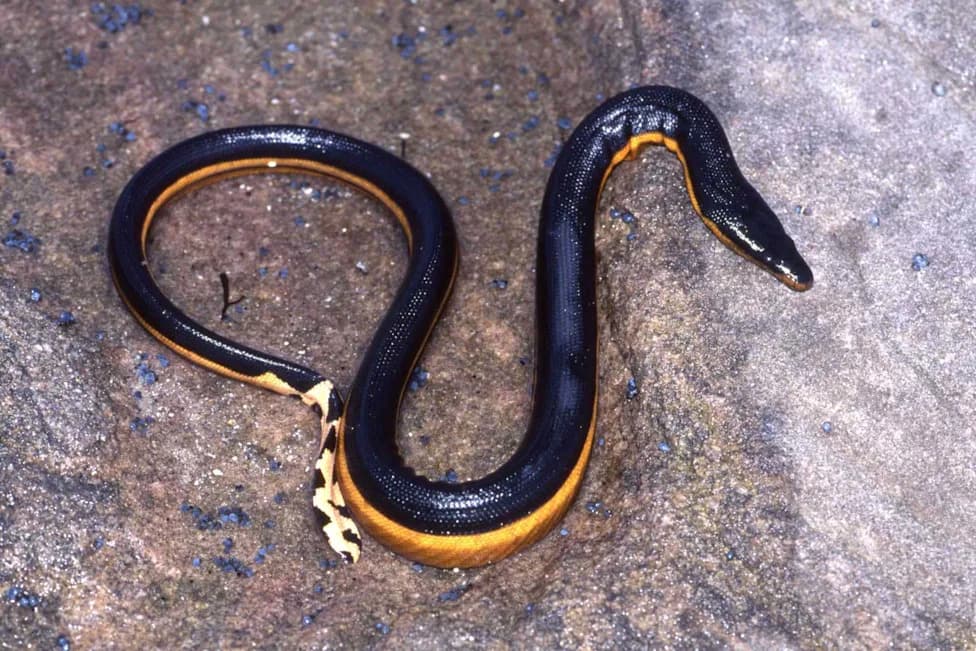
Northern Australian waters are home to more than 20 species of sea snakes, all protected under law, and two of those species are listed as critically endangered. Authorities and researchers are urging the public to report any strandings to help build a clearer picture of what’s happening.
Scientists do not yet know the exact cause of the recent spike in strandings. Several likely factors are under investigation, including bycatch from fishing operations, disease or injury, and extreme weather events that can sweep snakes into mats of seagrass and debris.
Sea snakes are aquatic and have very fragile tissue, bones and joints suited to life underwater.
— Blanche d'Anastasi, sea-snake researcher
Researchers note that true sea snakes have no biological need to come ashore; an individual found on land usually has an underlying illness, injury or disorientation. After a severe heatwave in Shark Bay in 2010, local sea snake numbers reportedly fell by about 76 percent, illustrating how sensitive these populations can be to environmental stressors.
The Australian Department of Climate Change, Energy, the Environment and Water (DCCEEW) added that while sea snake numbers are declining, the reasons are not fully understood and these animals are often incidentally caught as bycatch.
What members of the public should do
Do not touch or attempt to move stranded sea snakes. They are highly venomous and physically fragile; handling can injure the animal and put people at risk. Experts also advise against pushing beached snakes back into the water, because they frequently wash ashore again and may need veterinary or specialist assessment.
If you encounter a stranded sea snake, report the sighting to the Australian Sea Snakes Facebook group or to local wildlife authorities. Include the time, date, GPS location or descriptive location, photos if possible, and notes on the animal’s condition or behaviour. These reports are crucial for researchers tracking patterns and identifying causes.
The situation remains under active investigation. Continued public reporting and careful documentation will help researchers determine whether the strandings are related to local environmental changes, increased fishing pressure, disease, or other causes.
Help us improve.