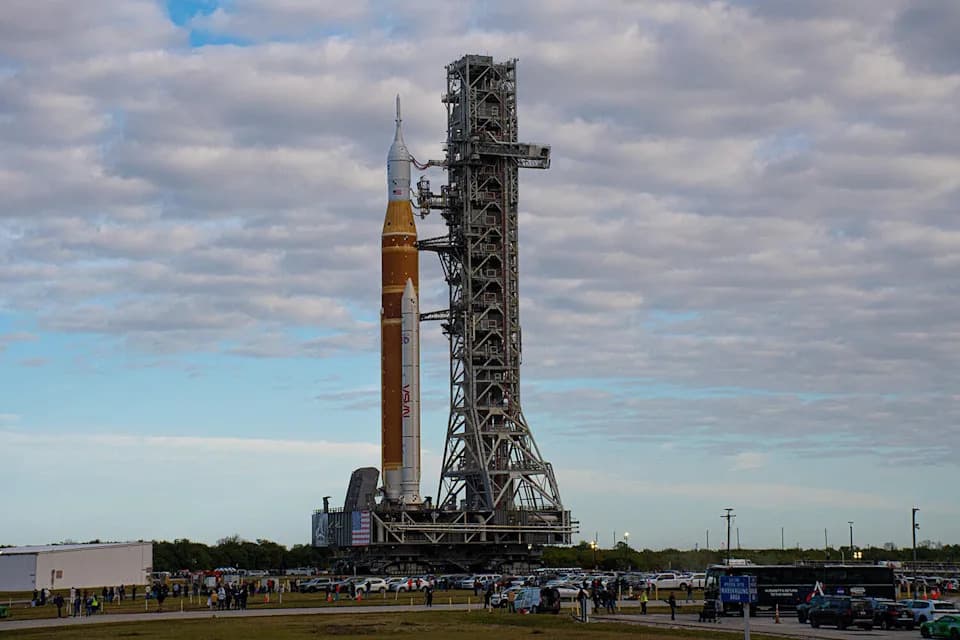
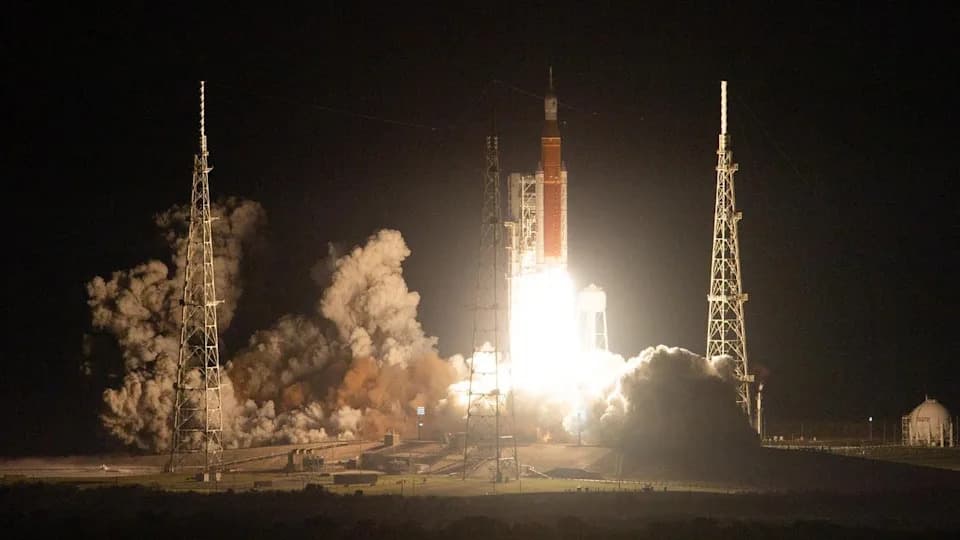
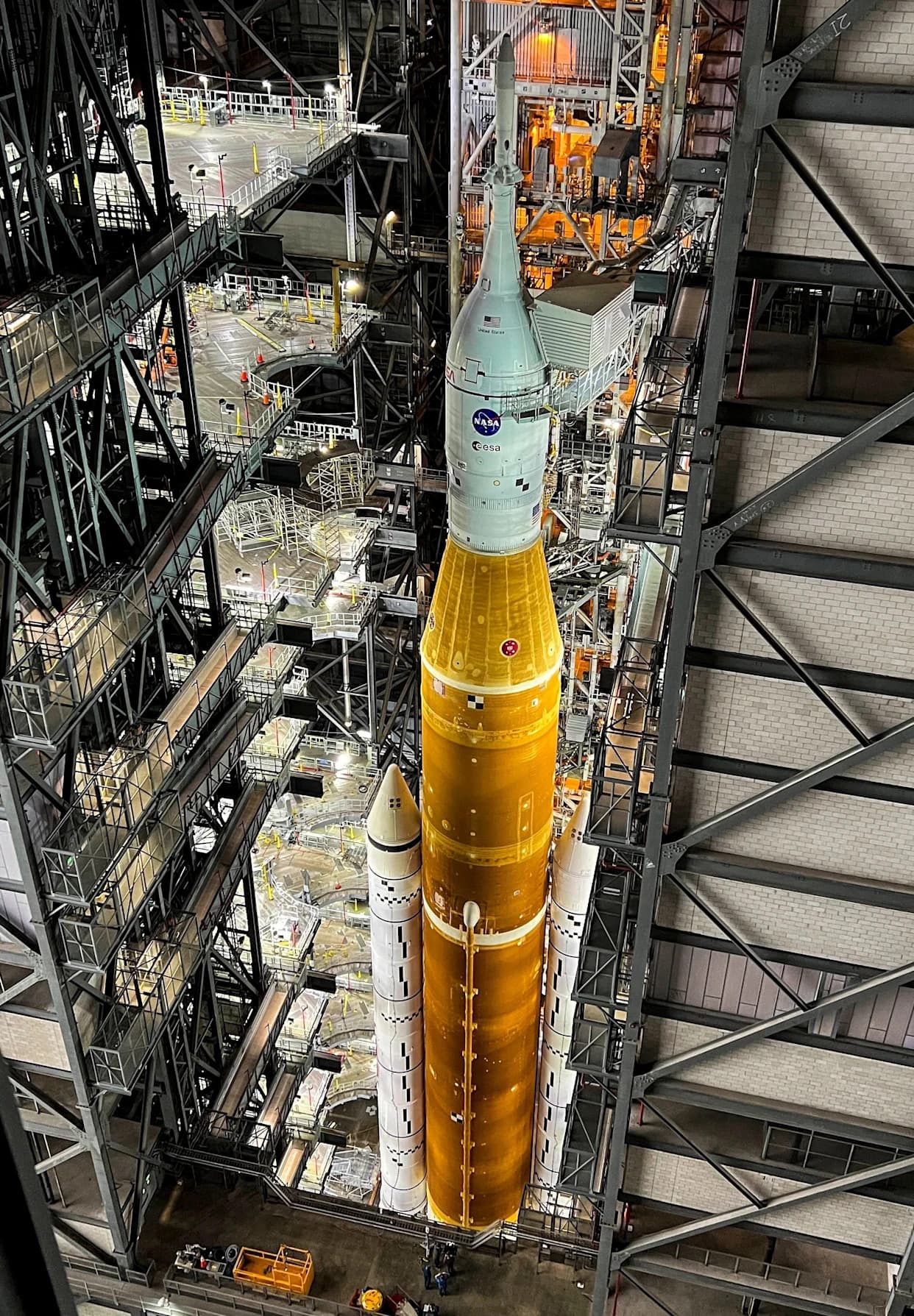
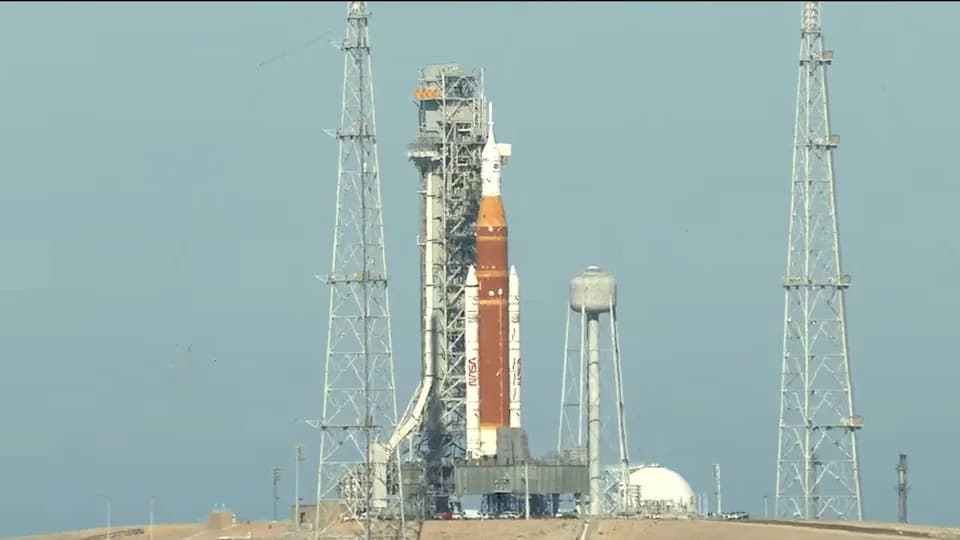
NASA completed stacking Artemis II on November 20, mating the Orion crew capsule with the SLS rocket at Kennedy Space Center. This key milestone advances preparations for the roughly 10-day crewed lunar flyby. Next steps include a countdown demonstration test with astronauts in Orion Crew Survival System suits, followed by rollout and pad rehearsals for ground teams. The four-person crew will continue intensive training as NASA schedules the pad activities.
NASA Stacks Artemis II: Orion Mated to SLS, Major Milestone Toward Crewed Lunar Flyby

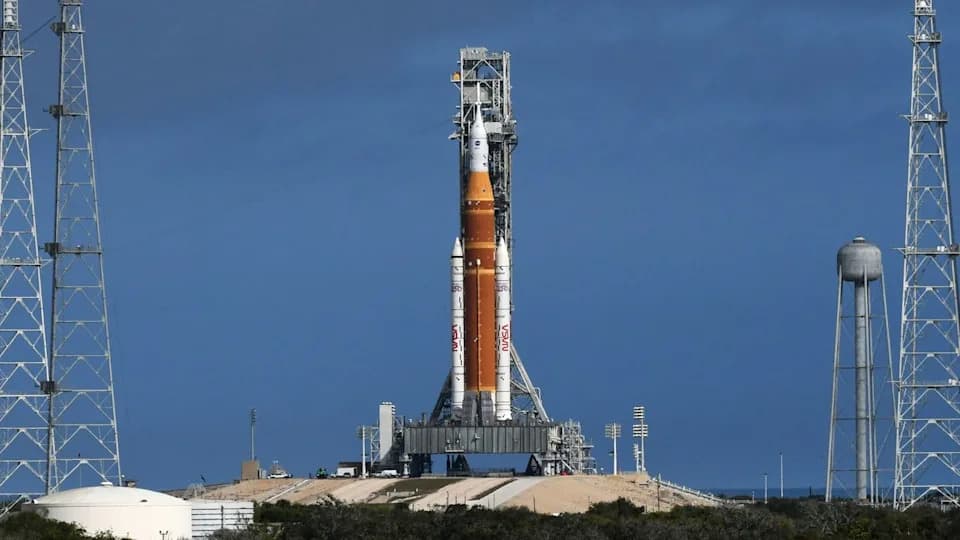
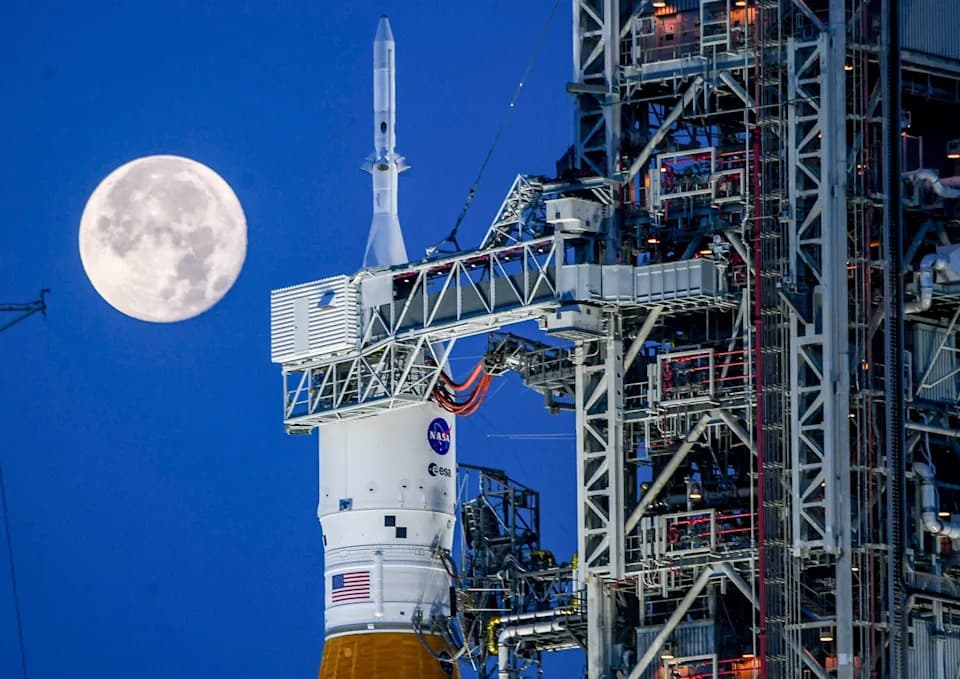
NASA announced on November 20 that engineers completed the critical assembly step for Artemis II by stacking the Orion crew capsule atop the Space Launch System (SLS) rocket in the Vehicle Assembly Building at Kennedy Space Center, Florida. The mating of the two vehicles marks a major program milestone on the path to a planned 10-day crewed lunar flyby.
The Artemis program began with the uncrewed Artemis I test flight in 2022. Artemis II will carry four astronauts on a roughly 10-day mission that loops around the Moon and returns to Earth. The program has faced schedule pressure from development challenges and near interruptions during a recent government shutdown, but the completed stacking signals renewed momentum.
Why this matters
Completing the stack—often called "mating" or "stacking"—is a pivotal systems-integration milestone. It brings together the Orion crew capsule and the SLS core stage and upper stage, allowing teams to begin integrated vehicle testing, closeouts and preparations for launch-pad operations. Successfully stacking the vehicle reduces risk by enabling end-to-end checks with the fully assembled launch configuration.
Safety work and testing
Orion's development previously encountered setbacks after some heat-shield materials fragmented during testing in 2022, which prompted further inspections and engineering fixes. Those actions improved confidence in the spacecraft's readiness and helped pave the way for the current assembly milestone.
Next steps: countdown dress rehearsal and pad exercises
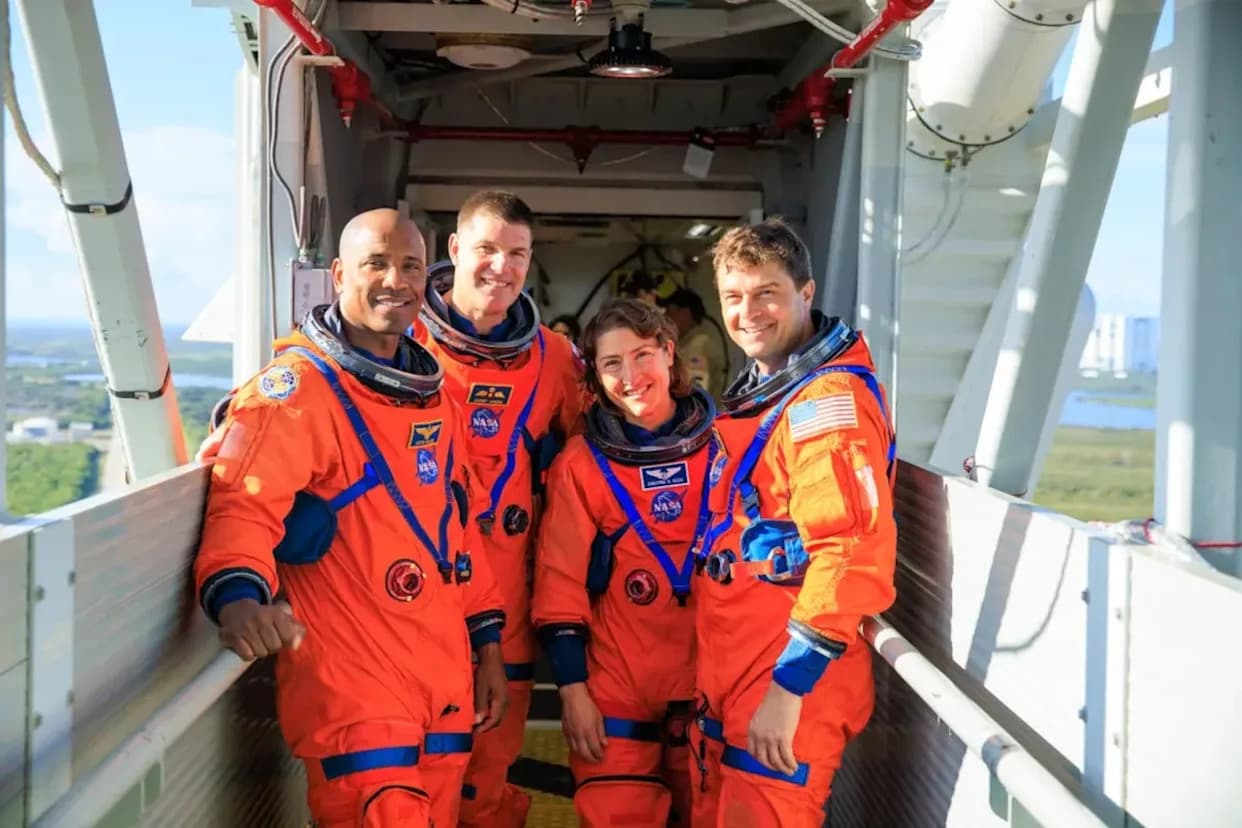
Before liftoff, NASA will conduct a formal countdown demonstration test (CDT). During the CDT the Artemis II crew will don the new Orion Crew Survival System suits, board Orion, secure themselves in their seats and run through the full launch countdown sequence—everything except engine ignition. This exercise serves as a final dress rehearsal for both astronauts and mission control.
After the crew-side CDT is complete, teams will roll the stacked vehicle to the launch pad so ground personnel can rehearse pad operations, support procedures and emergency responses. NASA has not yet announced specific dates for the rollout and pad-based exercises; those milestones will be scheduled in the months leading up to Artemis II's targeted launch window.
The crew
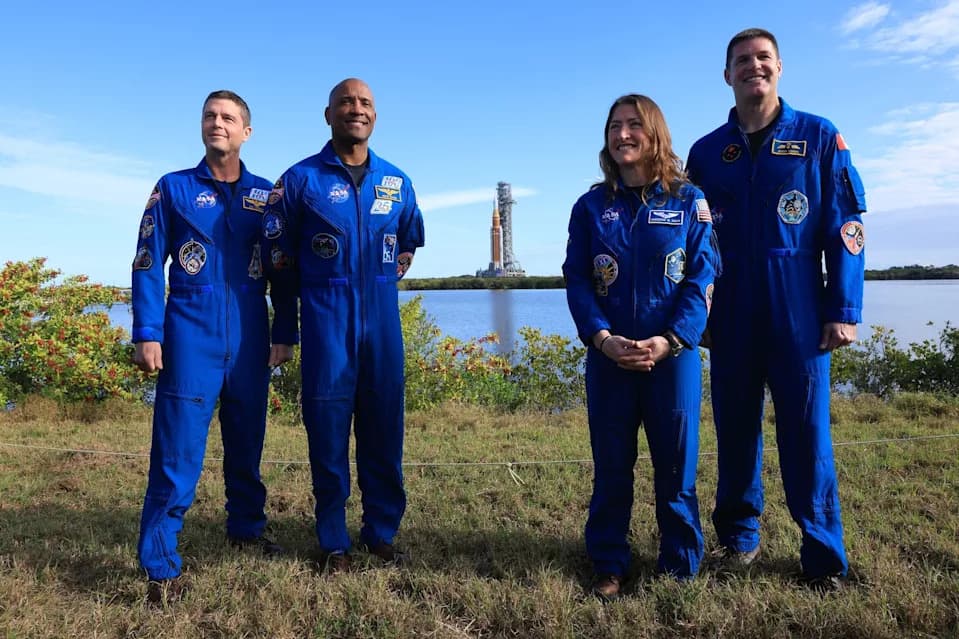
The Artemis II crew includes Commander Reid Wiseman, Pilot Victor Glover and Mission Specialist Christina Koch, all representing NASA, alongside Mission Specialist Jeremy Hansen of the Canadian Space Agency. Each crew member will continue intensive training to ensure reliable performance during the mission's lunar flyby.
With the Orion–SLS stack complete, Artemis II moves into the next phase of verification and rehearsal, bringing NASA closer to returning humans to lunar vicinity operations for the first time in decades.
Help us improve.