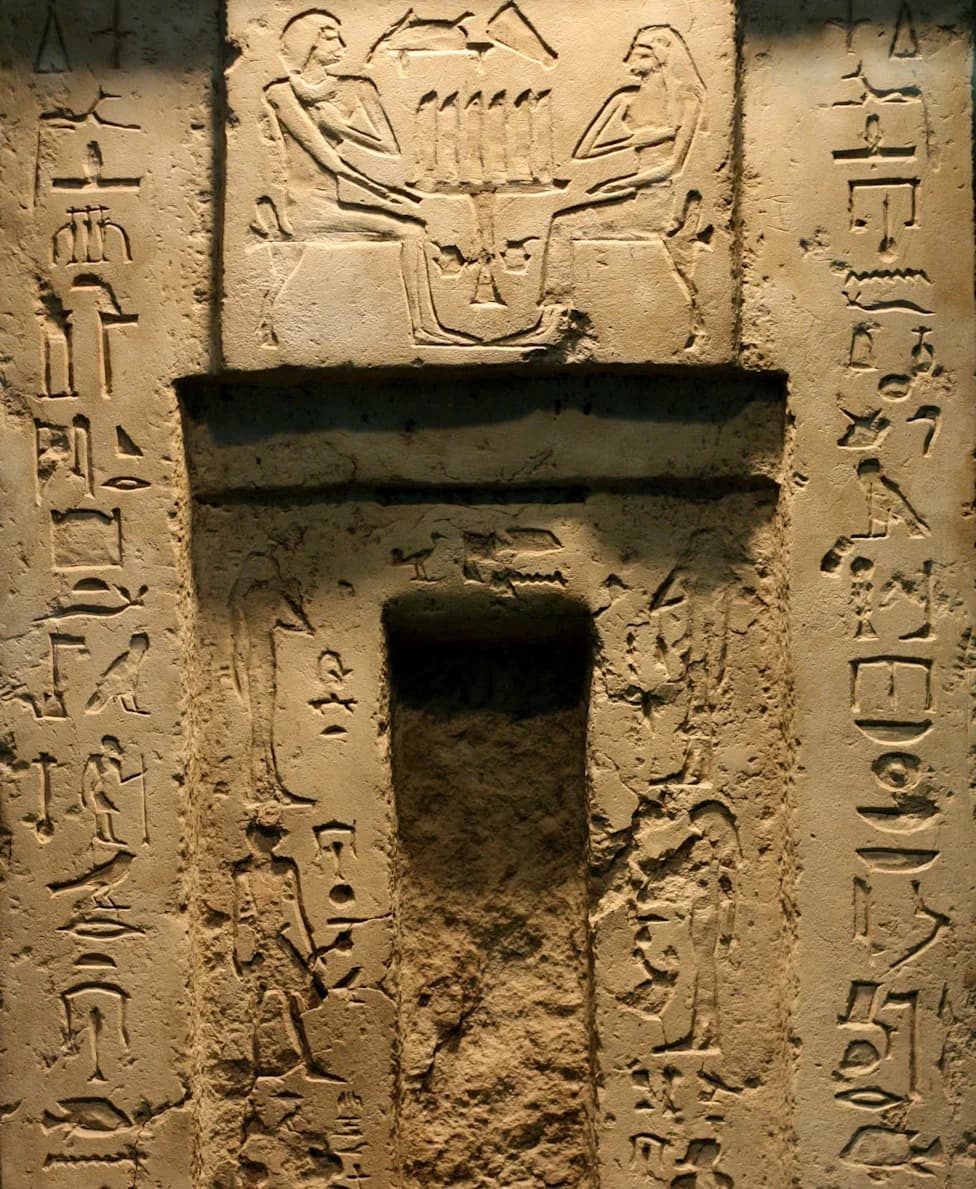
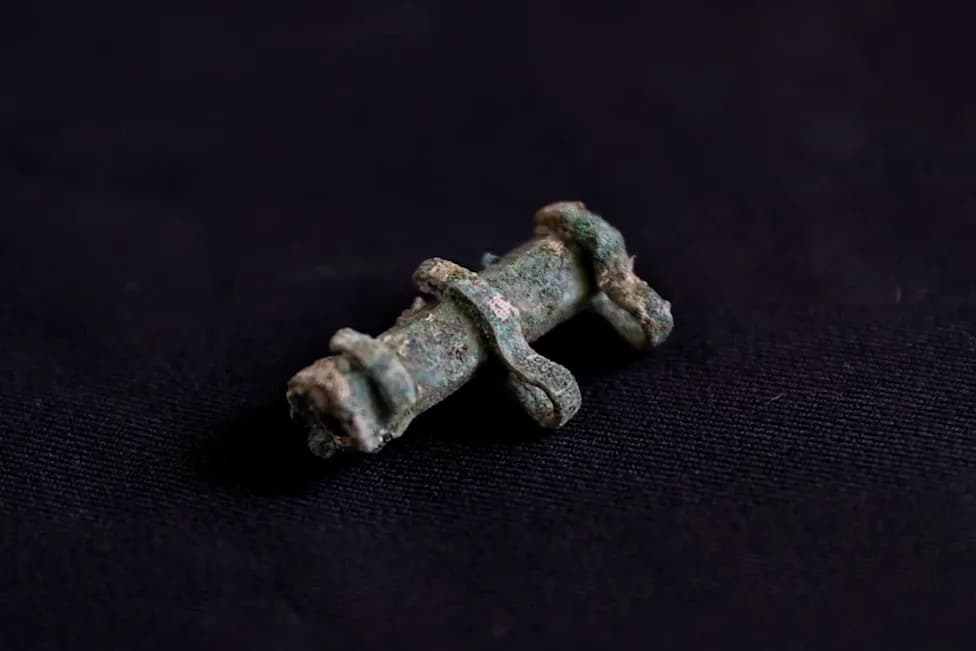
About 30 new artifacts from Göbekli Tepe and Karahantepe — including a statue evoking a deceased person and a T-shaped pillar carved with a human face — were unveiled as part of the Stone Mounds Project in Şanlıurfa. The finds, dated to around 9,500 BCE, add weight to the idea that ritual and social complexity helped drive early settlement, even before full-scale agriculture. Göbekli Tepe is expected to attract roughly 800,000 visitors this year.
Göbekli Tepe Finds Reveal Human Faces and New Ritual Objects — Rethinking Neolithic Life

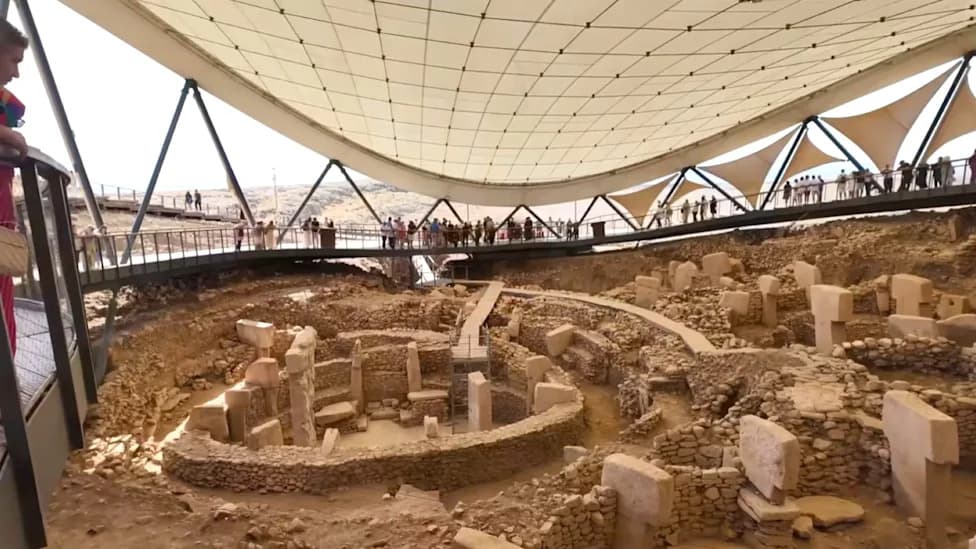
Turkish archaeologists unveiled dozens of newly excavated objects from Göbekli Tepe and the nearby Karahantepe, part of the Stone Mounds Project in Şanlıurfa province. The discoveries — dated to around 9,500 BCE — add fresh detail to a region long regarded as pivotal in humanity's transition from mobile hunter-gatherers to more permanent communities.
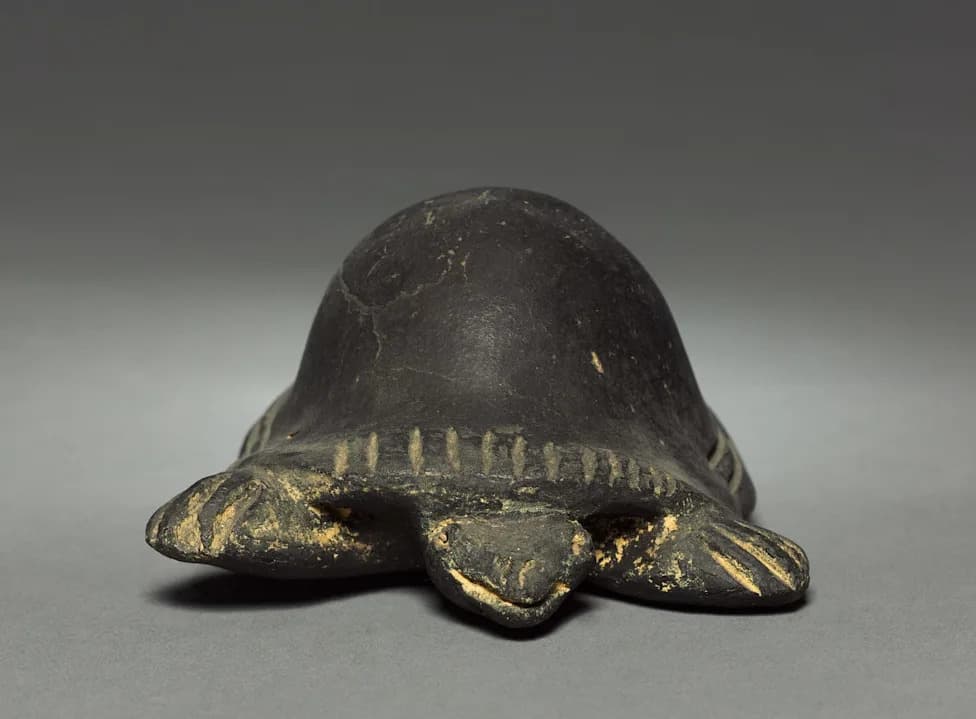
Among roughly 30 artifacts presented are human and animal statues, small figurines, ceramic vessels and plates, necklaces and beads — including at least one bead shaped like a human figure. A particularly notable piece is a statue whose facial expression appears to evoke a deceased person, a rare find that sheds light on Neolithic death rituals and symbolic practice.
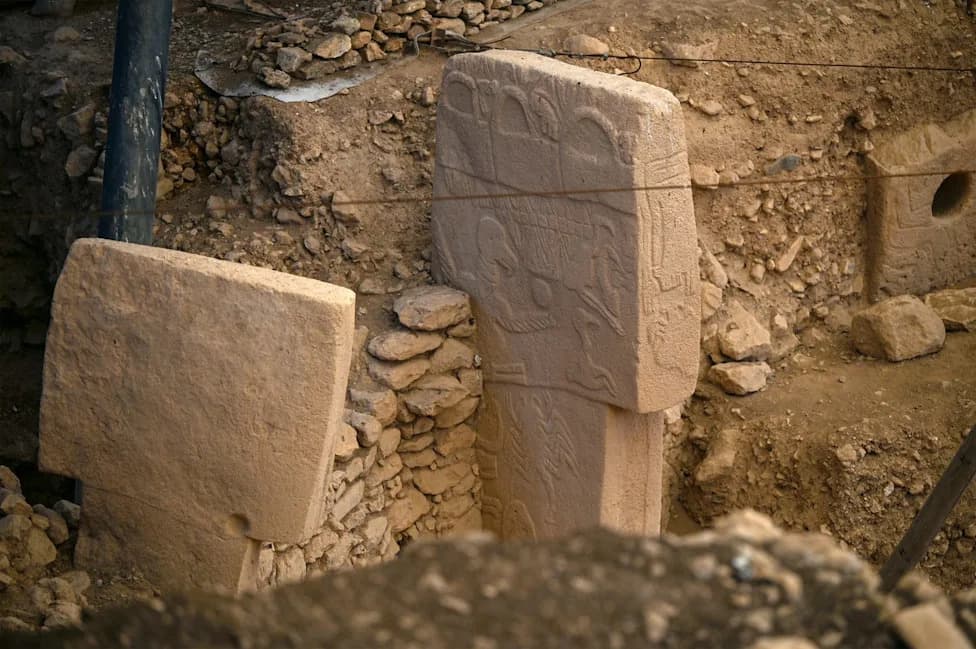
Excavations at Karahantepe also revealed a T-shaped limestone pillar carved with a human face — the first documented example of a facial depiction on this type of pillar. These T-shaped pillars, often arranged in oval enclosures up to 28 metres across, are widely interpreted as stylised human forms and sometimes bear animal reliefs.
"The wide range of finds — from food remains to architecture, and from symbolic objects to ritual paraphernalia — brings us unusually close to understanding prehistoric communities," said Necmi Karul, head of the excavations, describing the builders as highly skilled craftsmen.
Culture and Tourism Minister Mehmet Nuri Ersoy noted that the Stone Mounds Project, which covers 12 Neolithic sites in the region, points to a more complex model of early social organisation. The evidence suggests these communities maintained many hunter-gatherer practices even as they developed permanent ritual and gathering places — implying that the shift to settled life may have been driven as much by social and ritual factors as by the beginnings of agriculture.
Göbekli Tepe is expected to receive around 800,000 visitors this year, reflecting growing international interest in the site and its implications for prehistoric studies. Together, the new finds deepen our understanding of early symbolic life, communal ritual, and the sophisticated craftsmanship of people living more than 11,000 years ago.
Why this matters
These discoveries reinforce a growing scholarly view that social, ritual and symbolic developments played a central role in the formation of settled communities. The newly revealed objects — especially the funerary-evoking statue and the human-faced pillar — provide rare, tangible evidence of how Neolithic people perceived identity, death and communal performance.
Help us improve.