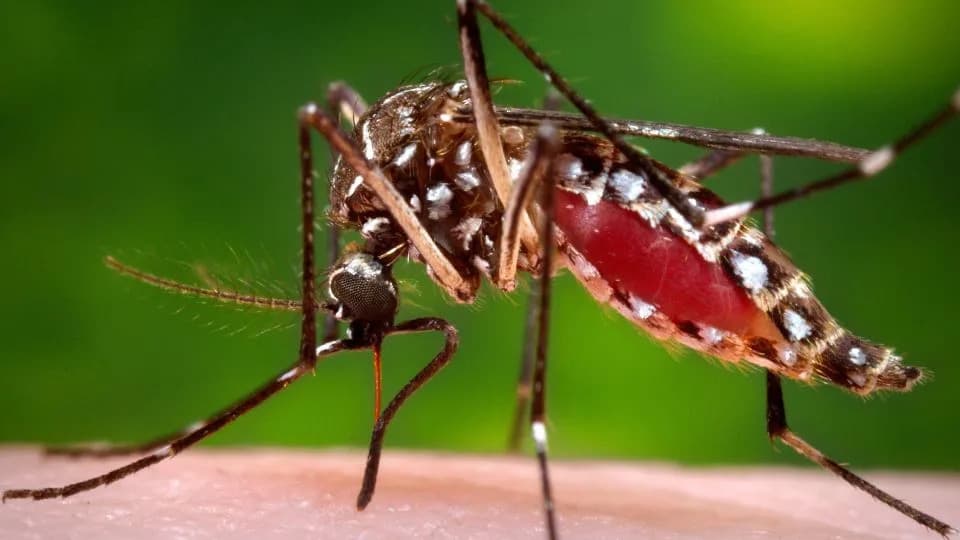
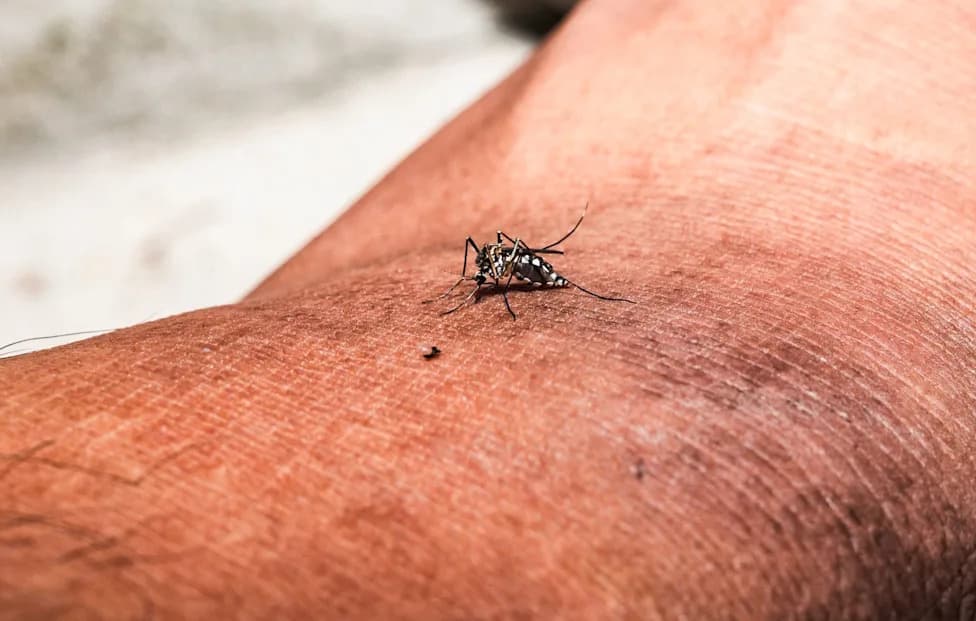
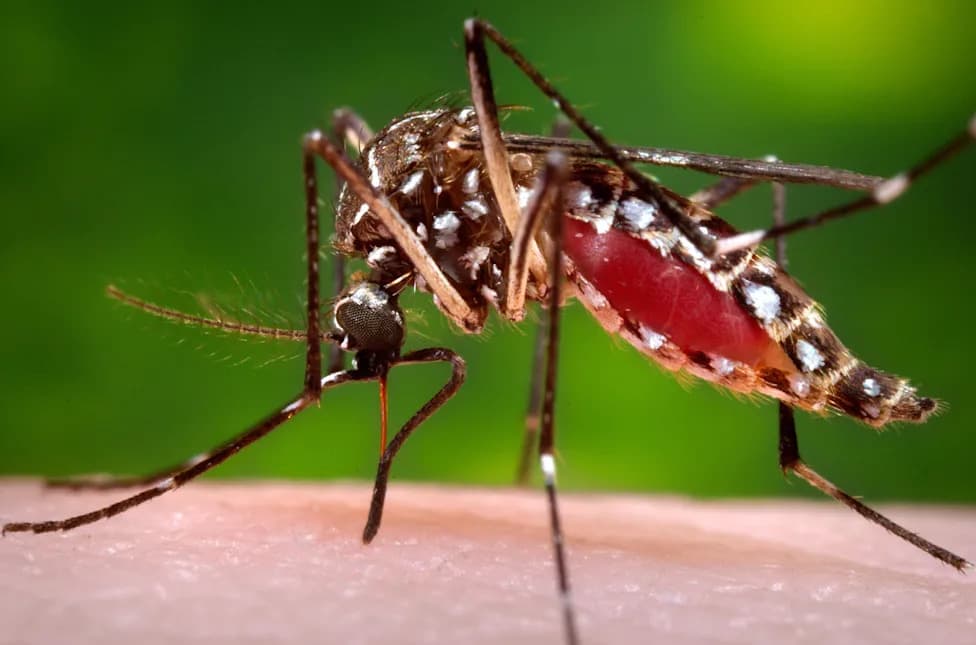
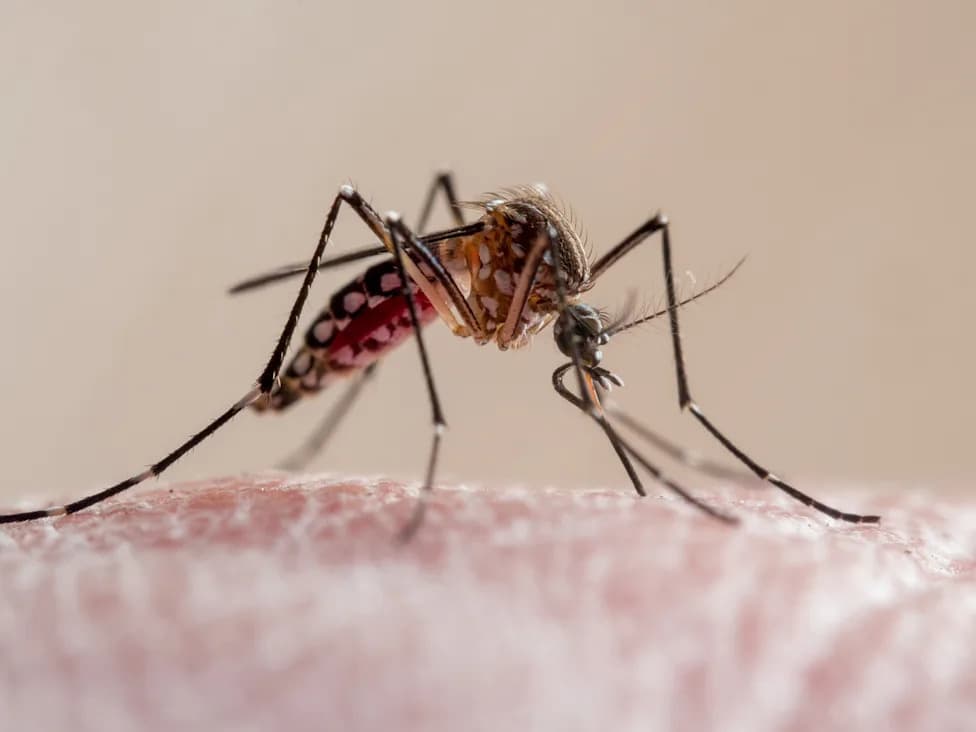
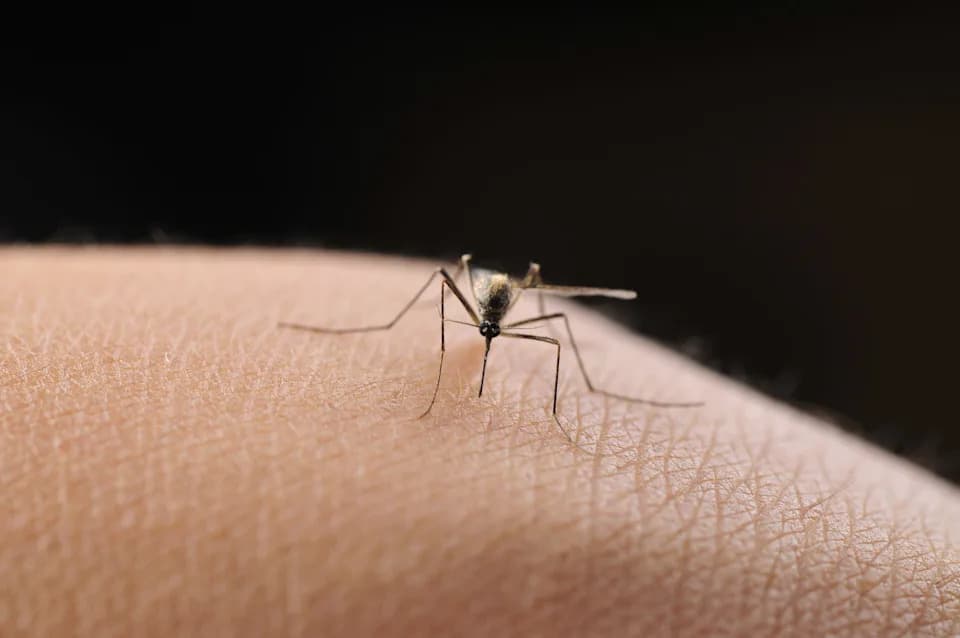
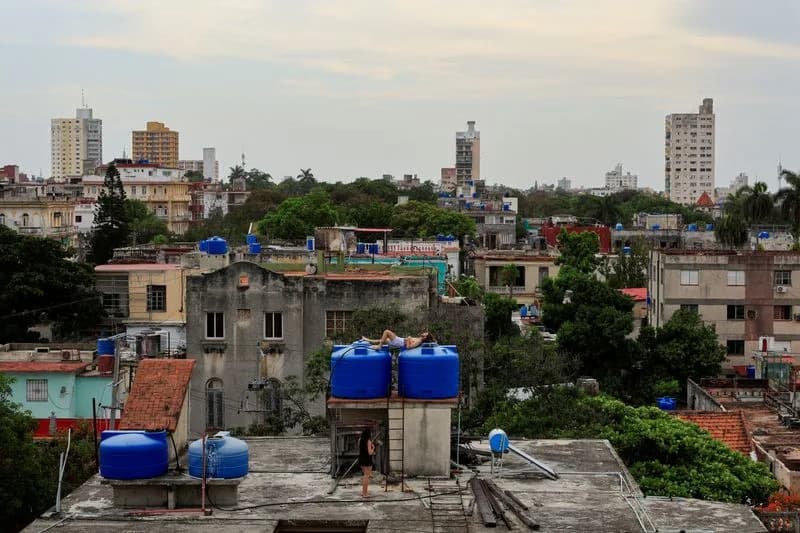
Cuba has reported 33 deaths from chikungunya and dengue since July, including 21 children. The chikungunya outbreak began in Matanzas and has spread to all 15 provinces, while dengue cases have surged alongside it. Officials blame poor sanitation, accumulated garbage and water storage amid shortages for worsening mosquito control. Travelers should follow CDC guidance on vaccination (when recommended) and strict mosquito-avoidance measures.
Chikungunya and Dengue Kill 33 in Cuba — 21 of the Victims Are Children
Cuban health authorities reported that 33 people have died from mosquito-borne chikungunya and dengue viruses since July, including 21 children, Deputy Health Minister Carilda Pena said on state television. Most fatalities have been attributed to chikungunya, while dengue is blamed for 12 deaths.
Outbreak spread and timeline
Officials say the chikungunya outbreak began in July in Matanzas province and rapidly spread to all 15 provinces of the island nation of about 9.7 million people. The dengue surge has occurred simultaneously, stretching public health resources.
Symptoms, risk groups and treatment
Chikungunya causes sudden high fever, severe joint pain, and fatigue; symptoms typically appear three to seven days after an infected mosquito bite. Most people recover within a week, but some experience prolonged joint pain lasting months or years. Deaths are uncommon, but newborns infected around the time of birth, people older than 65, and people with underlying medical conditions are at higher risk of severe disease. There is no specific antiviral treatment; care focuses on relieving symptoms. Vaccines for chikungunya have been developed and in some settings are recommended — travelers should consult the CDC or their healthcare provider for current guidance.
Drivers of the outbreak
Authorities say the outbreak has been worsened by poor sanitation, accumulated garbage and widespread water storage in tanks as residents cope with intermittent tap-water supplies. Economic strains — including shortages of clean water, food, fuel and medicines — and reduced preventive programs such as mosquito fumigation have hampered control efforts.
Public health response and travel advice
Health officials urge intensified vector-control measures, community clean-up to eliminate mosquito breeding sites, and prompt medical care for people with severe symptoms. The U.S. Centers for Disease Control and Prevention has issued travel notices for countries experiencing chikungunya outbreaks, including Cuba, and advises travelers to take precautions to avoid mosquito bites and to consider vaccination where recommended. The CDC has also highlighted outbreaks in parts of China and Indian Ocean nations such as Madagascar and Kenya.
Cases beyond Cuba
Health authorities reported a locally acquired case of chikungunya in New York in October 2025 — the first such U.S. case since 2019 — while other U.S. cases have been linked to international travel.
What travelers and residents should do: remove standing water, use insect repellent, wear long sleeves and pants during peak mosquito hours, ensure screens and nets are intact, and seek medical attention for high fevers or severe joint pain.
Help us improve.