The study projects that coastal flooding events historically labeled "100‑year" floods in the U.S. Northeast could occur annually within about 75 years as sea levels rise and hurricanes change. Under moderate emissions, 500‑year floods could recur every 1–60 years; under higher emissions, every 1–20 years. Northern coasts will be driven mainly by sea‑level rise, while southern stretches face combined risks from higher seas and storm changes. The authors urge planning for retreat, updated building codes, and infrastructure designed for future conditions.
‘100‑Year’ Coastal Floods in U.S. Northeast Could Become Annual Within 75 Years, Study Warns

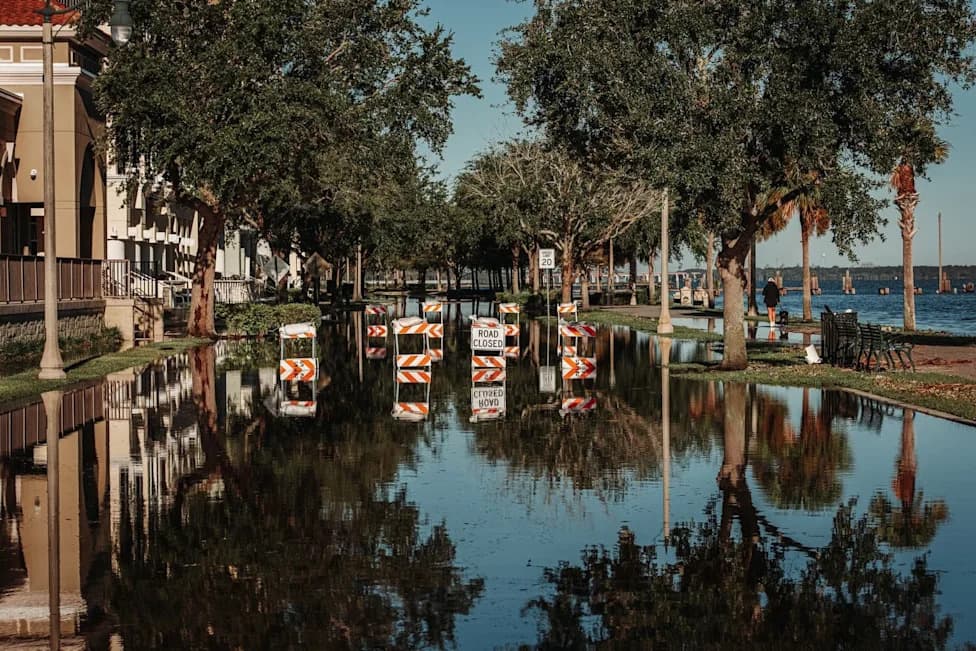
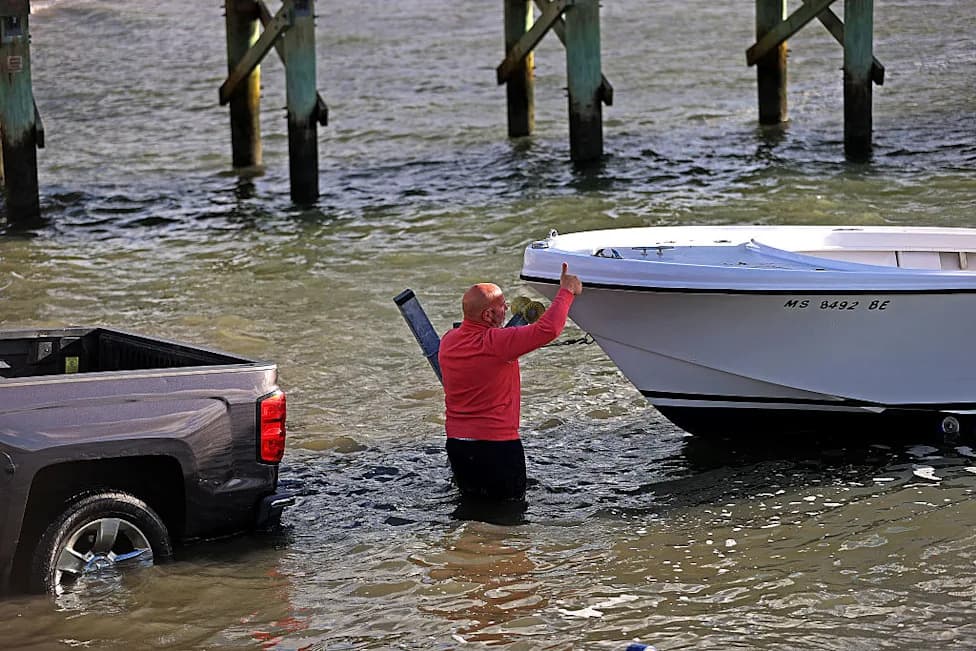
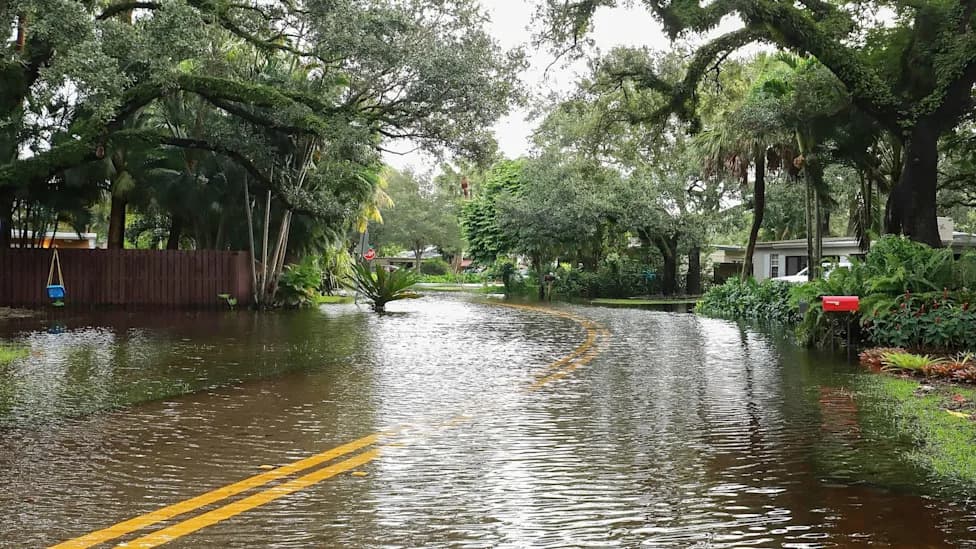
A new study finds that coastal flood events historically described as "100‑year" floods in the U.S. Northeast could occur every year within roughly the next 75 years as sea levels rise and hurricane behavior changes. Researchers used a large simulation framework that combines synthetic storm generation with sea‑level projections to estimate how flood frequencies will shift under different carbon‑emission pathways.
Key findings
- Historical 100‑year coastal floods in the Northeast may become annual occurrences by the end of the century under several scenarios.
- Events that were once considered 500‑year floods could recur as often as every 1–60 years under a moderate emissions scenario and every 1–20 years under a higher‑emissions pathway.
- Geographic differences matter: in more northern areas such as Connecticut and New York, sea‑level rise is the dominant driver of increased flood risk; farther south, in states like New Jersey and Virginia, both sea‑level rise and changing storm intensity and tracks substantially raise hazard levels.
The study team built a computer model that generated thousands of synthetic hurricanes and incorporated projected sea‑level rise. They also accounted for storm approach angle: storms that strike head‑on to the coast (for example, Hurricane Sandy in 2012) can produce far greater surge and damage than storms that track parallel to the shoreline.
"By the end of this century, the flood hazard is going to go up tremendously," said Amirhosein Begmohammadi, the study's lead author and a civil engineer who worked on the project during postdoctoral research at Princeton University.
Another expert not involved in the research, coastal geomorphologist Jeff Ollerhead, noted that the biggest uncertainty in projections is social: we do not yet know which emissions pathway societies will follow. That social uncertainty drives much of the variation among future scenarios.
Ollerhead highlighted a practical consequence: as sea levels rise, smaller storms will produce the same flood impacts that once required much stronger storms. For example, Hurricane Fiona produced storm surges near 6.5 feet (2 meters) in parts of Atlantic Canada in 2022; with roughly 3.3 feet (1 meter) of sea‑level rise, a storm only half as powerful could create similar surge impacts.
Implications and adaptation
The study underscores the need for coastal communities and planners to update risk assessments and design standards. Recommended responses include retreat to higher ground where feasible, revising building codes to reflect future rather than historical flood frequencies, and investing in resilient infrastructure and land‑use planning. The researchers emphasize that designs based on a historical "100‑year" standard will not be sufficient if those events become much more frequent.
The paper was published Nov. 7 in the journal Earth's Future.
Help us improve.