As Israel enters an election year, the governing coalition is advancing legislation to replace independent media regulators with political appointees, a move critics say would let the state fine and sanction news outlets and amplify political influence. Additional proposals would curb foreign broadcasters, privatize the public channel and close Army Radio, while foreign reporters remain restricted from Gaza. Journalists report rising harassment, and watchdogs have downgraded Israel’s press freedom ranking. Observers warn these steps could permanently weaken independent media and democratic oversight.
Netanyahu's Coalition Moves to Tighten Grip on Israel’s Media Ahead of Election Year

As Israel approaches an election year, the governing coalition is advancing a series of measures critics say would concentrate political control over the country’s media and weaken independent journalism.
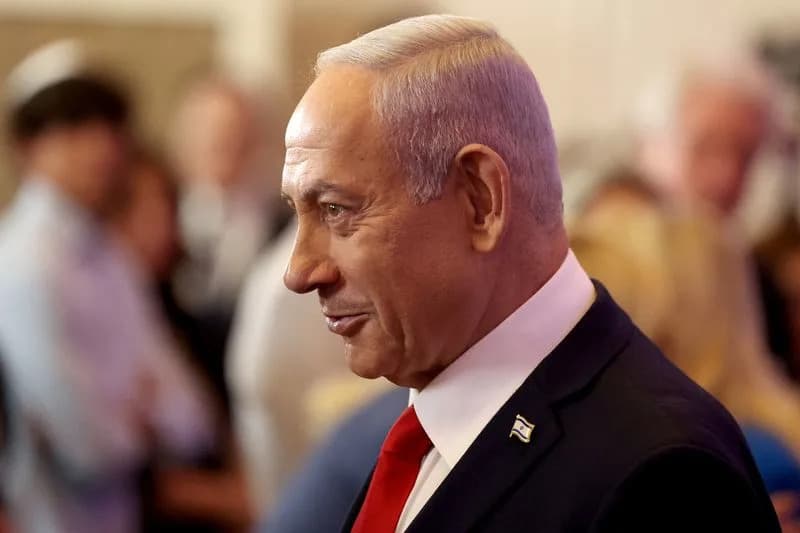
Prime Minister Benjamin Netanyahu has not given an interview to Israel’s three main broadcasters in more than four years and has repeatedly attacked reporters, accusing major networks of "brainwashing" and aiding Israel’s enemies. Those tensions have now evolved into a legislative and regulatory push that opponents warn could permanently alter the media landscape.
Legislative push
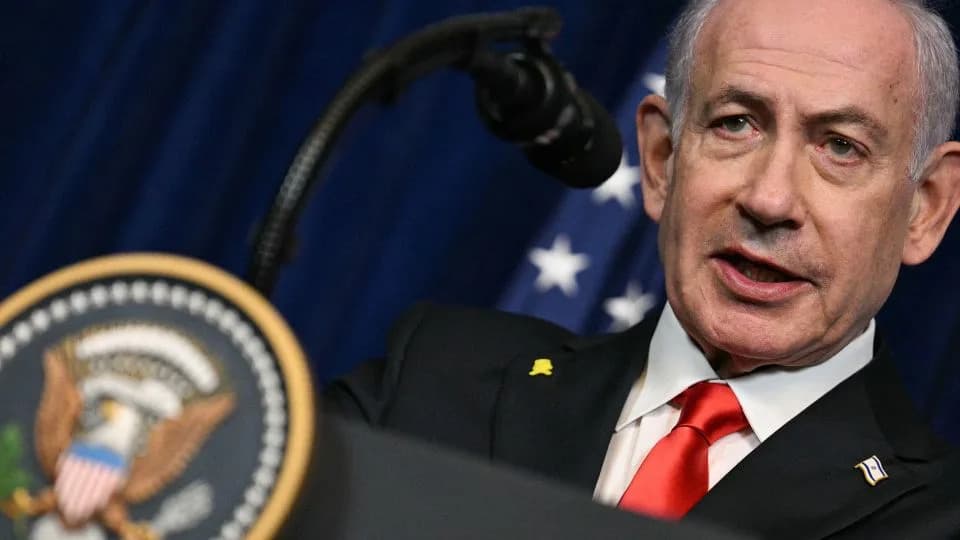
This week the coalition formed a special Knesset committee to advance a bill, sponsored by Communications Minister Shlomo Karhi, that would replace independent media regulators with politically appointed officials. The proposal — introduced in May and passed in a first reading last month — would expand government authority to fine and sanction broadcasters and news outlets. The government frames the plan as market liberalization and modernization for the digital era, saying it would promote competition and remove outdated rules.
Broadcast networks and industry bodies contest that the reform would increase political influence over editorial decisions. In August 2023 rival networks created a joint emergency forum to oppose what they describe as a "hostile takeover" of the sector. An official in that forum warned that the move looks like "an attempted power grab on the eve of an election" intended to subdue criticism before voters go to the polls.
Broader measures
The regulatory bill is one part of a wider set of proposals and actions. Other initiatives include an expanded bill originally aimed at banning Qatar-based Al Jazeera, now broadened to let the government shut certain foreign outlets on national-security grounds without full judicial oversight; a proposal to privatize the public broadcaster Kan 11; and Defence Minister Israel Katz’s plan to close Galei Tzahal (Army Radio) next year.
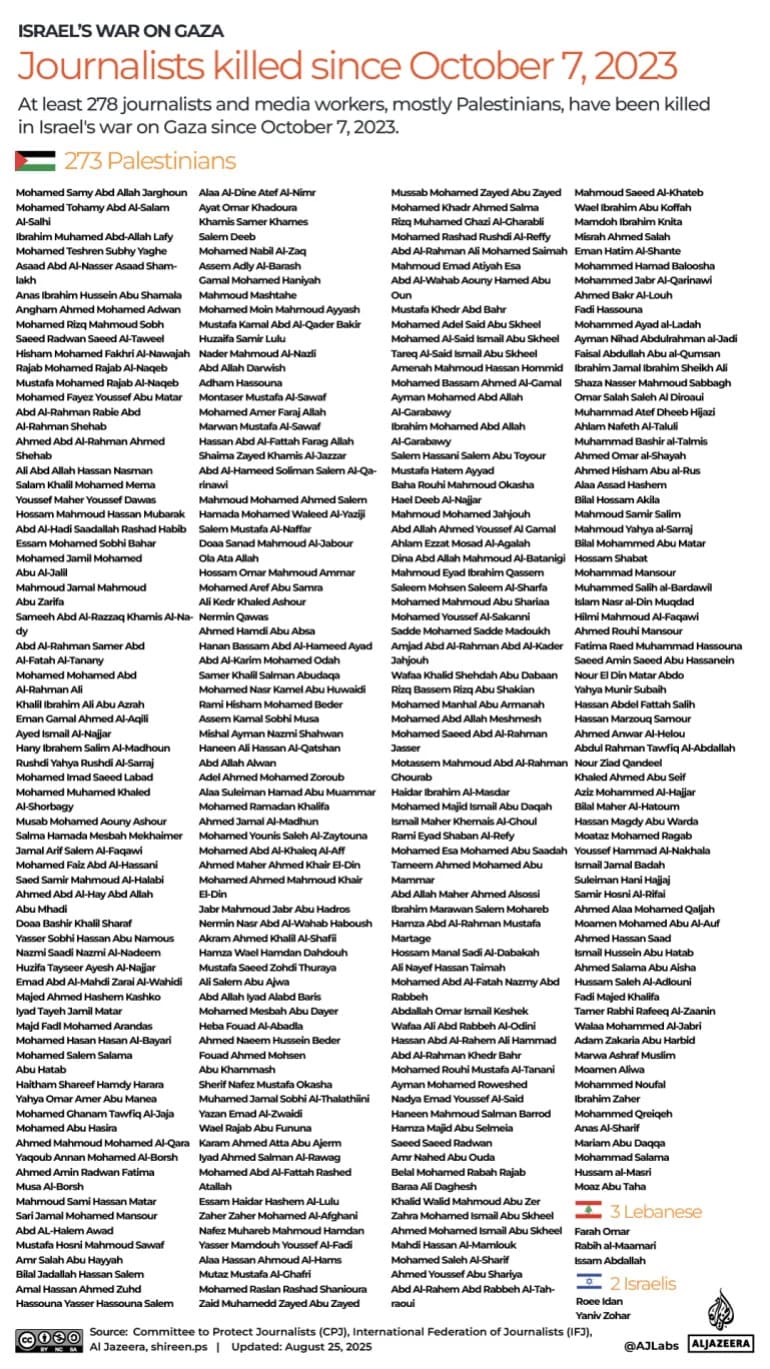
Additionally, Israel has restricted foreign reporters’ independent access to Gaza since the start of the war more than two years ago — a decision called "an unprecedented violation of press freedom" by press-rights watchdogs, which say it hinders reliable, pluralistic reporting.
Legal and institutional objections
The bill has drawn criticism from the national regulatory agency, the Finance and Justice ministries, the Knesset’s legal advisers and Attorney General Gali Baharav-Miara. In a September legal opinion, the attorney general warned that the proposal "creates increased risks to Israel’s free media," highlighting concerns about commercial and political influence in news broadcasts.
Despite those objections, Communications Minister Karhi — who has accused the press of "weakening Israel internally" and suggested media failures helped enable the October 7 attacks — is pressing ahead, saying the reform will produce "true freedom of expression." Critics argue the mechanism would permit ministers to reward friendly outlets and penalize independent or critical ones.
Uneven treatment and media favoritism
The government has provided regulatory benefits to Channel 14, a pro-Netanyahu station often compared to partisan news networks elsewhere, including reduced distribution fees and looser operating restrictions. Observers say such preferential treatment, combined with regulatory changes, risks creating an uneven playing field that favors politically aligned outlets.
Pressure and harassment of journalists
Individual journalists who cover the government critically report escalating threats and intimidation. Guy Peleg, Channel 12’s senior legal affairs correspondent, has faced protests outside his home, threatening messages and billboard campaigns calling for his imprisonment after reporting on the prime minister’s corruption trial and on alleged abuse of a Palestinian detainee. Peleg described sustained harassment and said some aggressors receive tacit or explicit backing from senior coalition members.
"They want us to be afraid," Peleg said. "We will not give up and will continue doing our jobs."
Right-wing activist Mordechai David, who repeatedly harassed Peleg and was placed under a court restraining order, has been welcomed by some coalition figures. National Security Minister Itamar Ben-Gvir hosted David in his Knesset office and praised his actions, and other far-right lawmakers have given such activists access to parliamentary hearings on journalist harassment. Critics say the government’s embrace of these figures normalizes and amplifies threats to reporters.
International assessments and political context
Press watchdog Reporters Without Borders lowered Israel’s ranking to 112 out of 180 countries this year on the World Press Freedom Index, citing an increase in disinformation campaigns, repressive laws, restrictions on journalists and heightened pressure on reporters.
The timing of the legislative push matters: the next national election is scheduled for October 2026 unless the coalition collapses earlier. Observers warn that during an election year, independent journalism is particularly vital for democratic accountability, and that these changes could leave the public sphere more vulnerable to capture and influence.
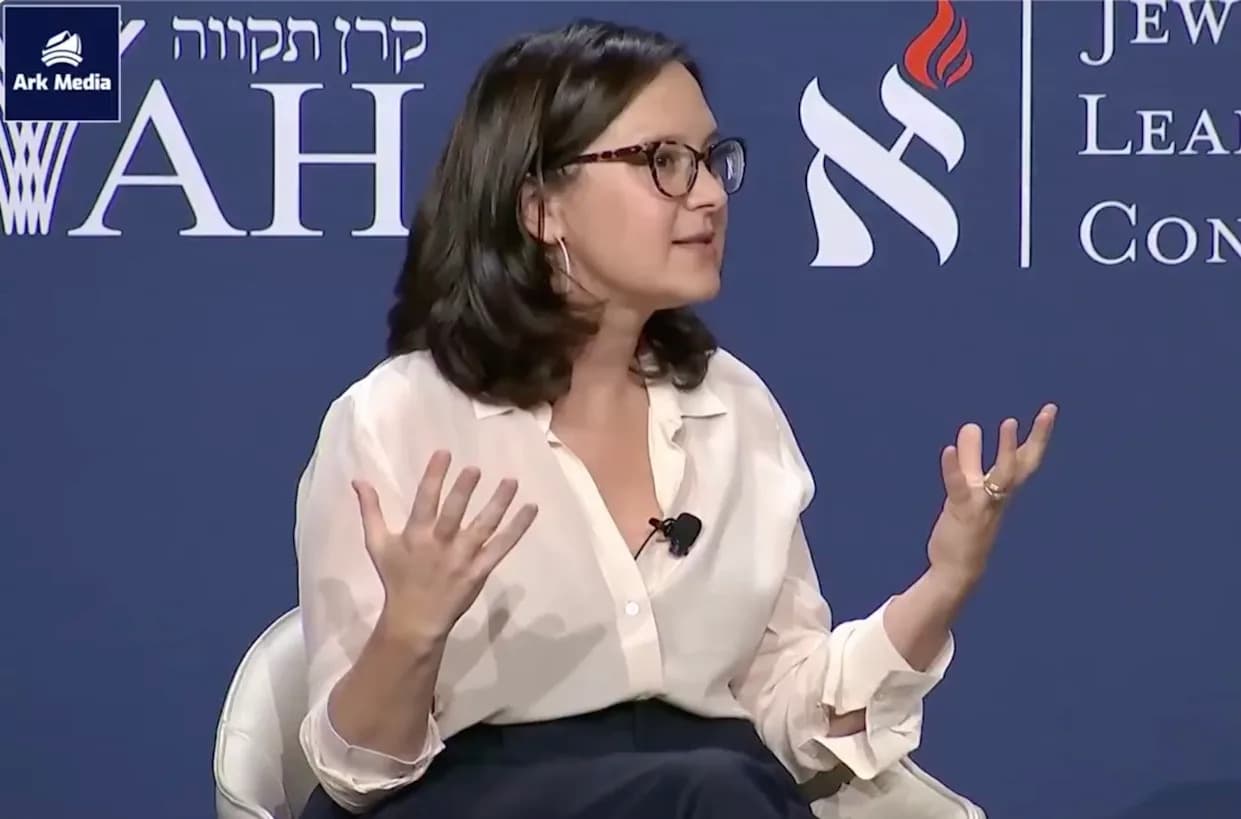
Tehilla Shwartz Altshuler, a senior fellow at the Israel Democracy Institute, summarized the concern: the government has launched a coordinated political, regulatory and rhetorical campaign in recent years that risks weakening media independence, increasing harassment of journalists and eroding democratic oversight.
Outlook
If enacted, the proposed changes would reshape the regulatory framework that has governed Israeli media for decades. Supporters argue the measures modernize and open the market; opponents see a consolidation of power that could enable politically motivated fines, sanctions and rewards — and fundamentally change how information reaches Israeli voters in a crucial electoral period.
Help us improve.