The Israeli cabinet has approved closing Army Radio (Galei Tzahal) on March 1 after 75 years, following a proposal from Defense Minister Israel Katz and despite objections from Attorney General Gali Baharav-Miara. Prime Minister Benjamin Netanyahu backed the move, while journalists’ unions and the Israel Press Council say they will challenge it in the Supreme Court. Critics argue the decision is part of a larger government push to centralize media control and curb dissent ahead of elections.
Israel Approves Closure Of Army Radio After 75 Years, Sparking Press Freedom Outcry

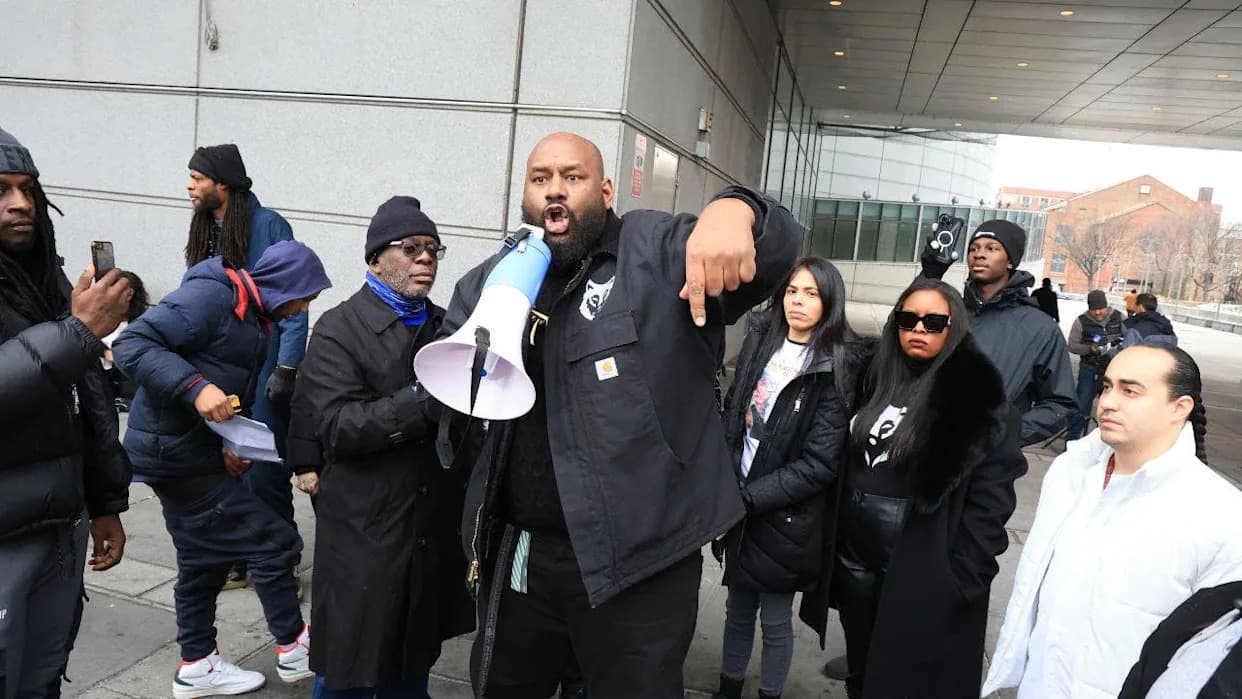
Israeli Prime Minister Benjamin Netanyahu, pictured center with other Cabinet ministers, welcomed the decision to close Army Radio. - Ronen Zvulun/Reuters
The Israeli government has approved the closure of Army Radio (Galei Tzahal) after 75 years, a decision that critics and media groups say poses a major threat to press freedom in Israel. The station is scheduled to stop broadcasting on March 1 under a plan introduced by Defense Minister Israel Katz.
The cabinet resolution passed unanimously despite an official memorandum from Attorney General Gali Baharav-Miara, who argued the move "lacks the necessary factual and professional foundation" and warned that advancing it would violate the law. "The decision forms part of a broader move to undermine public broadcasting in Israel and to restrict freedom of expression," she said.
Prime Minister Benjamin Netanyahu welcomed the decision, arguing that a military-run public broadcaster is "an anomaly" that resembles arrangements in authoritarian states. Katz has defended the plan by saying the station’s political coverage interferes with the Israel Defense Forces (IDF) and harms its unity.
Reactions And Legal Challenge
Journalists’ unions, the Israel Press Council and other civil society organizations have promised to challenge the closure in Israel’s Supreme Court. Critics say the timing and process — including recommendations from a panel opponents describe as a hand-picked committee of government-aligned figures — suggest a political effort to centralize control over the media ahead of elections.
Opposition leader Yair Lapid denounced the move as part of "the government’s campaign to abolish freedom of speech in Israel during an election year," adding that authorities are trying to "control consciousness" when they cannot control reality.
Context And Station Profile
Legally an IDF unit overseen by the Chief of Staff, Galei Tzahal has for decades combined soldier-journalists and civilian reporters and has produced some of Israel’s most listened-to political talk shows. While several past defense ministers criticized the station’s editorial tone, Katz is the first to push through a formal plan to end its current format.
The closure occurs alongside broader proposed broadcast reforms that would expand government powers to fine and sanction media outlets, raising wider concerns about press independence and democratic oversight.
What Happens Next: The station is due to cease operations on March 1. Legal challenges are expected to move quickly to the Supreme Court, where the outcome will determine whether the closure proceeds or is paused pending review.
Help us improve.