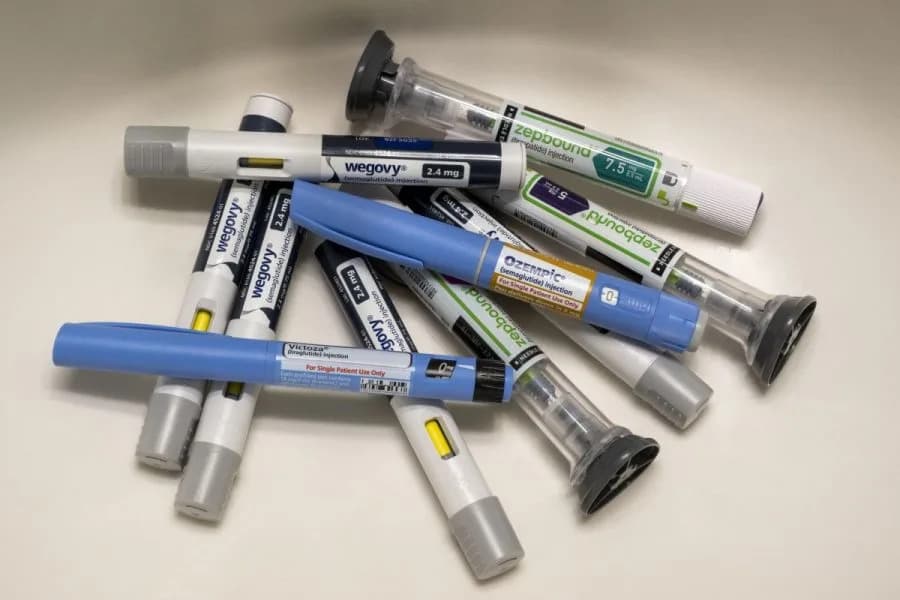
The WHO says injectable GLP‑1 drugs (liraglutide, semaglutide, tirzepatide) can support weight loss in adults but are not a standalone solution to global obesity. Medication should be combined with healthy diet, physical activity and public‑health measures, and is not recommended during pregnancy. The agency also highlights unknown long‑term effects and calls for equitable, affordable access in low‑income settings.
WHO: Weight‑loss Injections Can Help — But They Won’t Solve the Global Obesity Crisis

The World Health Organization has clarified that while injectable GLP‑1 receptor agonists can aid weight loss for some adults, they are not a standalone solution to the growing global obesity epidemic.
“Let me be clear: medication alone will not solve the obesity crisis,” WHO Director‑General Tedros Adhanom Ghebreyesus said in Geneva.
The WHO guidance endorses the use of GLP‑1 active compounds — liraglutide, semaglutide and tirzepatide — which are found in medicines marketed for weight management such as Saxenda, Wegovy and Mounjaro. The guidance recommends these agents may be used to treat obesity in adults but explicitly advises against their use during pregnancy.
The agency emphasises that drug therapy should be part of a comprehensive approach that includes sustained dietary changes, regular physical activity and broader public‑health measures to address the social and environmental drivers of obesity.
How they work: These drugs were originally developed to treat diabetes. They act on GLP‑1 receptors to reduce appetite and strengthen satiety signals from the gut to the brain, helping some patients lose weight.
Key concerns: Important questions remain about long‑term safety and durability of weight loss because these medicines have not been in widespread use long enough to fully assess their effects over many years.
Tedros urged that poorer countries and low‑income populations be able to access affordable treatments, warning that without equitable access global health disparities could widen. He also noted the scale of the challenge: more than one billion people currently live with obesity worldwide, a figure the WHO has warned could double by 2030 if trends continue.
In short, the WHO presents GLP‑1 receptor agonists as an important clinical tool for some patients but stresses they are not a miracle cure. Effective, long‑term progress against obesity will require combining medical treatment with lifestyle support, prevention policies and efforts to improve food environments and physical activity opportunities.
Help us improve.