A Swedwatch study reports that thousands of tonnes of pesticides banned in the EU have been exported to Africa. Agriculture supports more than half of Africa's population and many countries have weak pesticide regulation. In Kenya — which banned 77 highly hazardous pesticides in June — imports of those chemicals more than doubled between 2015 and 2018, with about one-third coming from EU producers. Up to 34% of active ingredients found in these products are not approved in Europe.
Study: EU Ships Thousands of Tonnes of Pesticides Banned at Home to African Markets

A recent study by the Swedish NGO Swedwatch finds that thousands of tonnes of pesticides prohibited for use within the European Union have been exported to markets across Africa. The report raises concerns about health, environmental risks and uneven regulatory protections between producers and recipient countries.
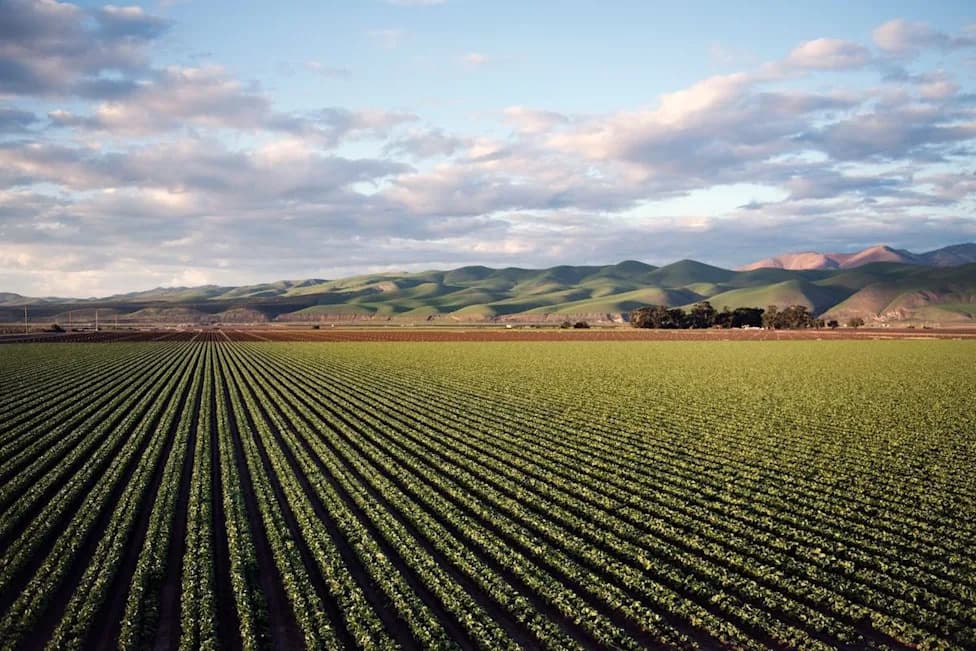
Agriculture supports more than half of Africa's population and contributes roughly 35% of the continent's GDP, yet many countries have limited or inconsistent pesticide regulation and enforcement. That regulatory gap makes African farmers and ecosystems especially vulnerable to hazardous chemicals.
In Kenya — which in June moved to ban 77 highly hazardous pesticides — annual imports of those banned chemicals more than doubled between 2015 and 2018. Approximately one-third of these imports originated from EU producers, according to the study.
Swedwatch found that up to 34% of the active ingredients in the examined products are not approved for use in Europe.
“The trade in toxic pesticides is not only unethical but economically irrational,”the report states, arguing that the exports transfer health and environmental risks to countries with weaker oversight.
The report also notes that EU border controls regularly intercept shipments — including Kenyan exports — containing excessive levels of substances that are banned in the EU, highlighting inconsistencies in production, trade and safety enforcement.
What this means: The findings underline calls for stronger international standards, better export controls and improved support for safer pest-management practices in exporting and importing countries alike to prevent harmful double standards in chemical safety.
Help us improve.