Farmers warn that Sir Keir Starmer’s plan to align UK rules more closely with the EU could force Britain to adopt stricter pesticide and herbicide regulations, risking lower domestic food production. Critics cite Irish research suggesting yields fell by about 30% after alignment and say 36 crop-protection products used in the UK are banned across Europe. Growers also fear limits on gene-edited crops would weaken competitiveness with countries such as the US, where biotech crops are widely used.
Farmers Warn Starmer’s EU Reset Could Threaten UK Food Security and Production
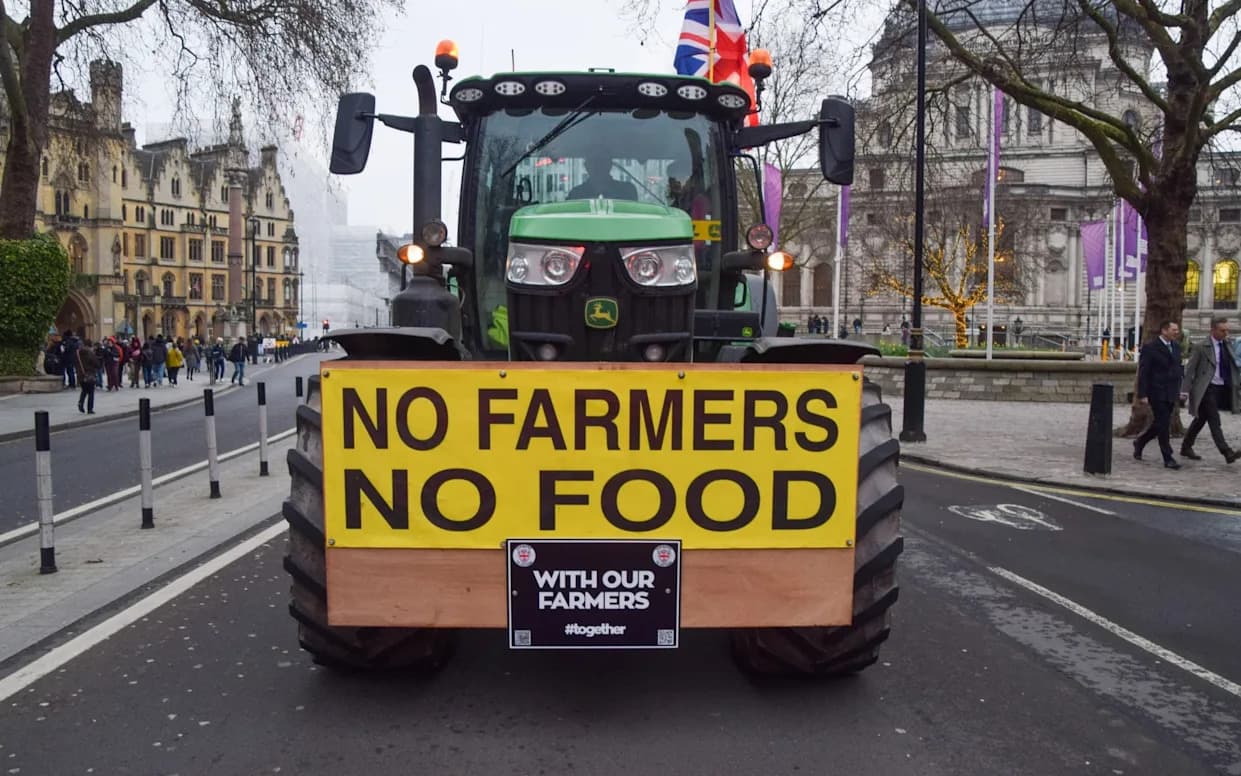
Farmers have warned the deal will result in harsher standards being imposed on British food production to comply with EU regulations - SOPA Images/LightRocket
Farmers have warned that Sir Keir Starmer’s proposed Brexit "reset" — a move toward closer regulatory alignment with the European Union to reduce trade friction — could disrupt British agriculture and put national food security at risk.
Concerns Over Pesticides, Yields and Competitive Position
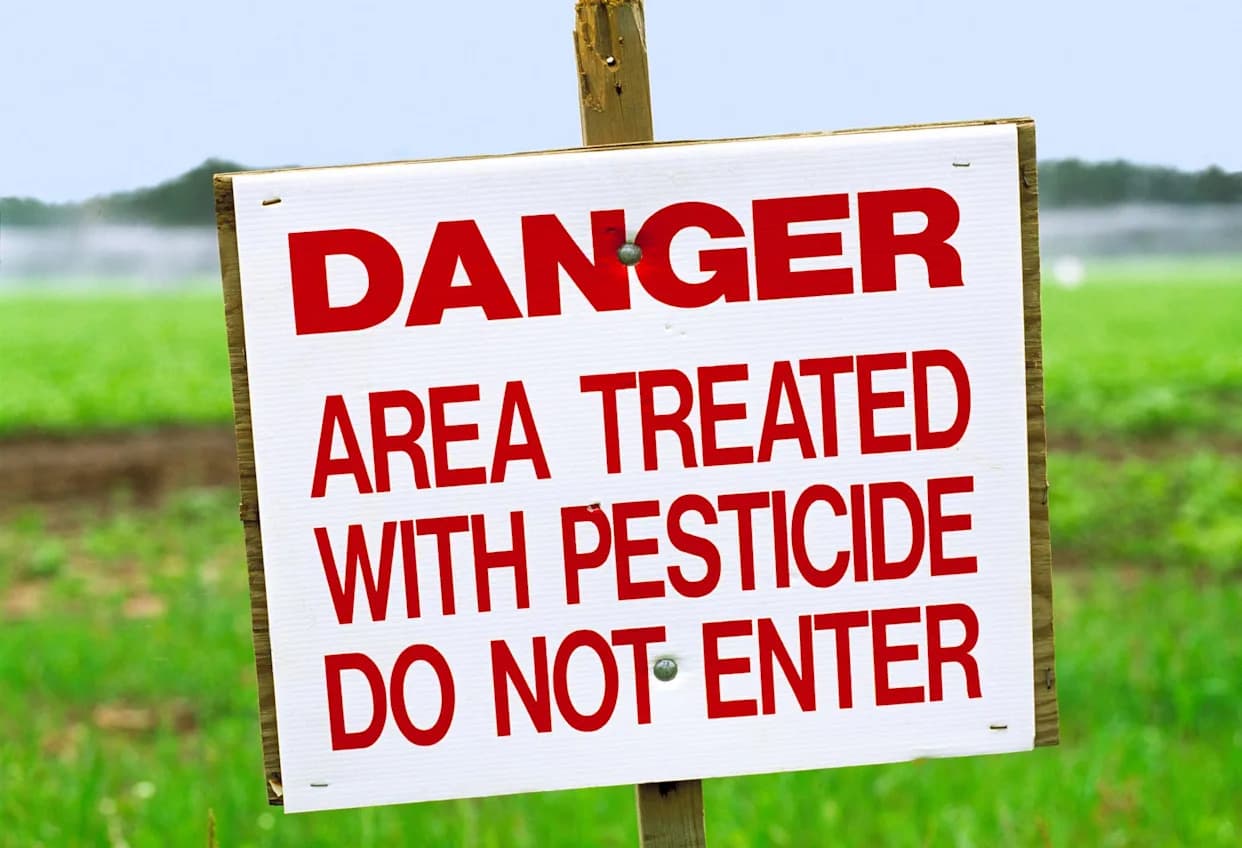
Under the Prime Minister’s plan to ease trade with Europe, critics say the UK may be required to adopt tougher EU rules on food and farming. Dozens of pesticides and herbicides currently permitted in the UK are banned in parts of Europe, and farmers fear those products could be removed from use to satisfy Brussels’ standards, reducing domestic output.
Tim Young, a Norfolk farmer, said: “There are certain pesticides that aren’t allowed in Europe that are allowed here at the moment. We’d be farming with our hands tied behind our backs. It’s going to have a much larger and more profound effect on my business than inheritance tax.”
Opponents argue that aligning with EU rules could leave UK producers at a disadvantage compared with global competitors who are not subject to the same regulatory limits. Research in Ireland by the Agriculture, Food, and Development Authority — cited by critics of alignment — reportedly found that aligning herbicide and pesticide use with EU rules reduced yields by around 30%.
Henry Graham, a livestock farmer in Oxfordshire, warned: “We don’t have the economic clout we once did as a farming nation. We’ll become bullied, and it will become about what we can and can’t do. To be pushed into a corner is a dangerous position to be in.”
Farmers point to specific figures cited by critics: there are said to be 36 crop-protection products used in Britain that are outlawed across Europe. They say losing access to these tools could reduce domestic production and increase reliance on imports — a problem, they argue, if global supply chains are disrupted.
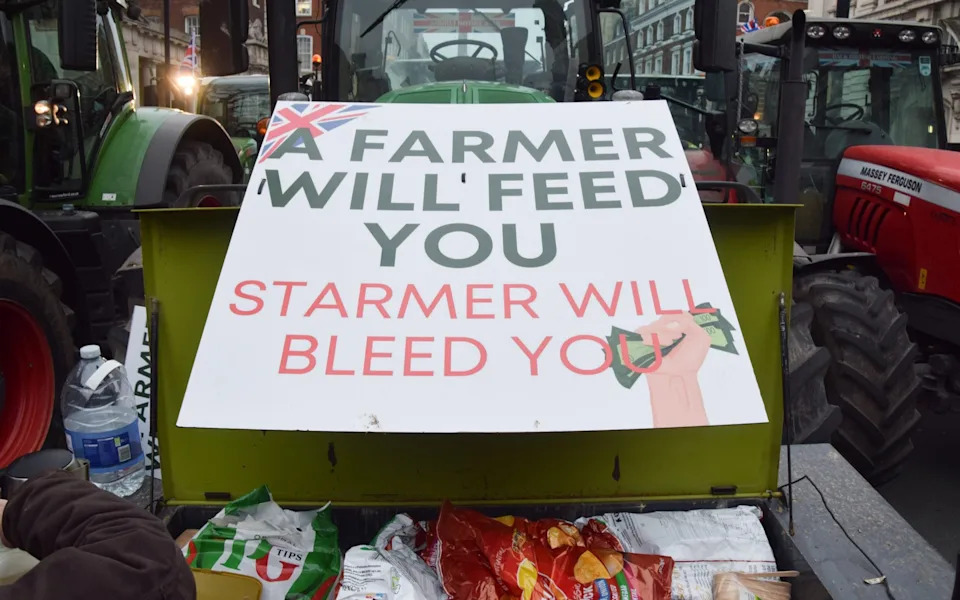
Tim Young, a farmer in Norfolk, believes the deal would have a larger effect on his business than inheritance tax - SOPA Images
Gene Editing and International Competition
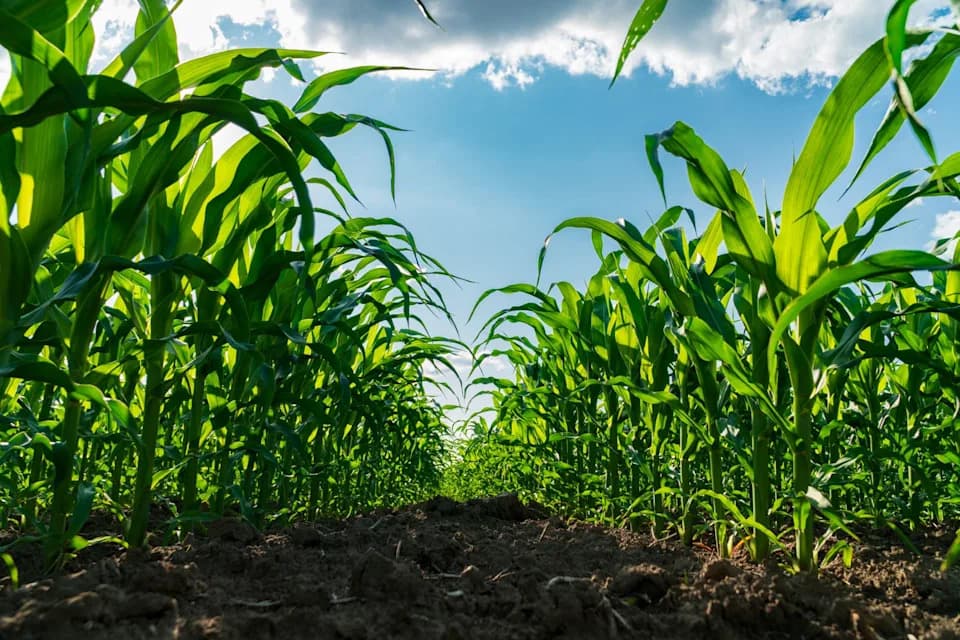
Growers have also expressed concern that restrictions tied to alignment could limit the use of gene-edited crops — for example, disease-resistant potatoes or wheat varieties bred to cope with weeds like black-grass. Critics say such limitations would make it harder for UK producers to compete with international suppliers, particularly from countries such as the United States where genetic modification and biotech varieties are widely used (one farmer noted that around 95% of maize in the US is genetically modified).
Industry representatives urged a careful transition. John Walgate, chief executive of the British Growers’ Association, called for "a careful transition period" to manage the availability of pesticides for crop protection while any regulatory changes are phased in.
The Cabinet Office was contacted for comment.
Note: Critics’ figures and research are cited in public debate; outcomes would depend on the precise terms of any UK-EU regulatory arrangements and any transition measures the government negotiates.
Help us improve.