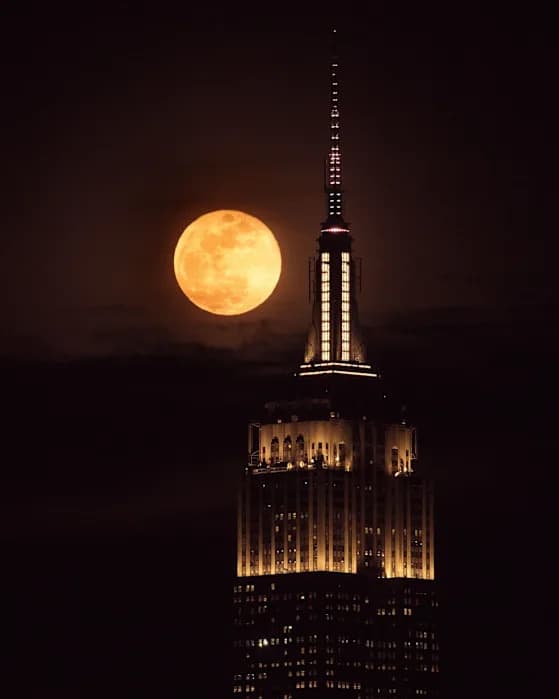
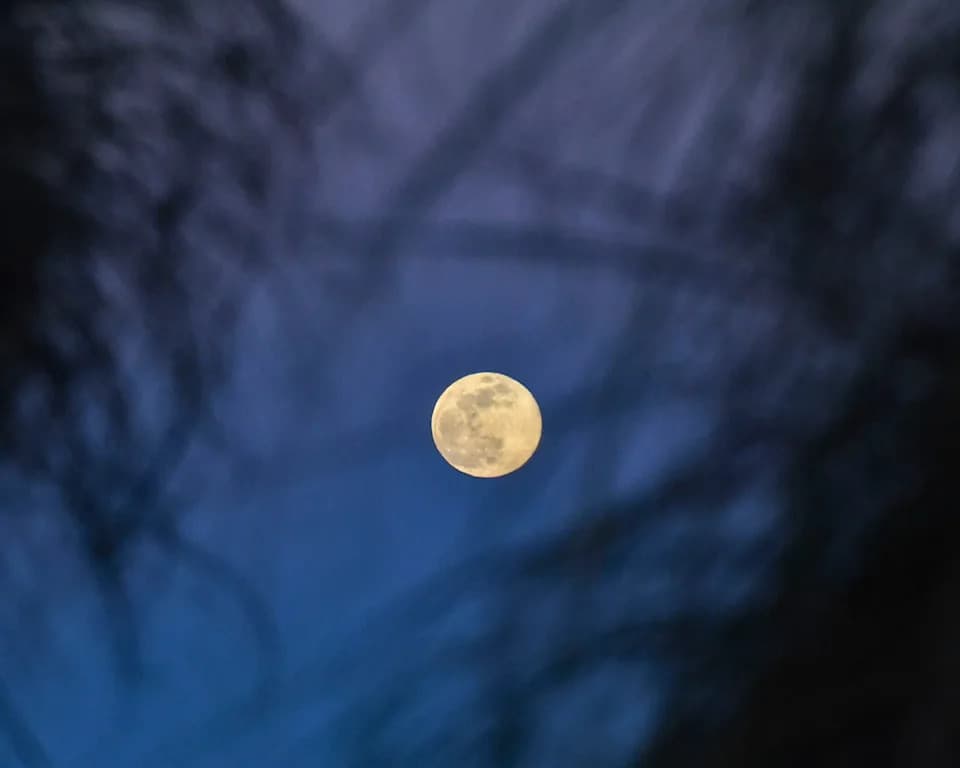
The Cold Moon will peak over Georgia on Thursday, Dec. 4, visible by about 6:14 p.m. local time. This December full moon is also the year’s final supermoon and likely the last supermoon visible in the region until late spring. Cloudy skies and a small chance of rain may limit viewing. A supermoon appears modestly larger and brighter and produces higher tides.
Georgia’s Cold Moon Peaks Dec. 4 — Last Supermoon Until Late Spring

December brings more than holiday lights — it offers a chance to spot the Cold Moon, the full moon of the season. This year’s December full moon will peak on Thursday, Dec. 4, and it’s both the final full moon of the year and the last supermoon that observers in Georgia are likely to see until late spring.
When to look
Observers in Georgia should be able to see the Cold Moon by 6:14 p.m. local time on Dec. 4. However, sky conditions may vary: long-range forecasts from The Weather Channel predict cloudy to mostly cloudy skies across many parts of the state that night, with at least a small chance of rain.
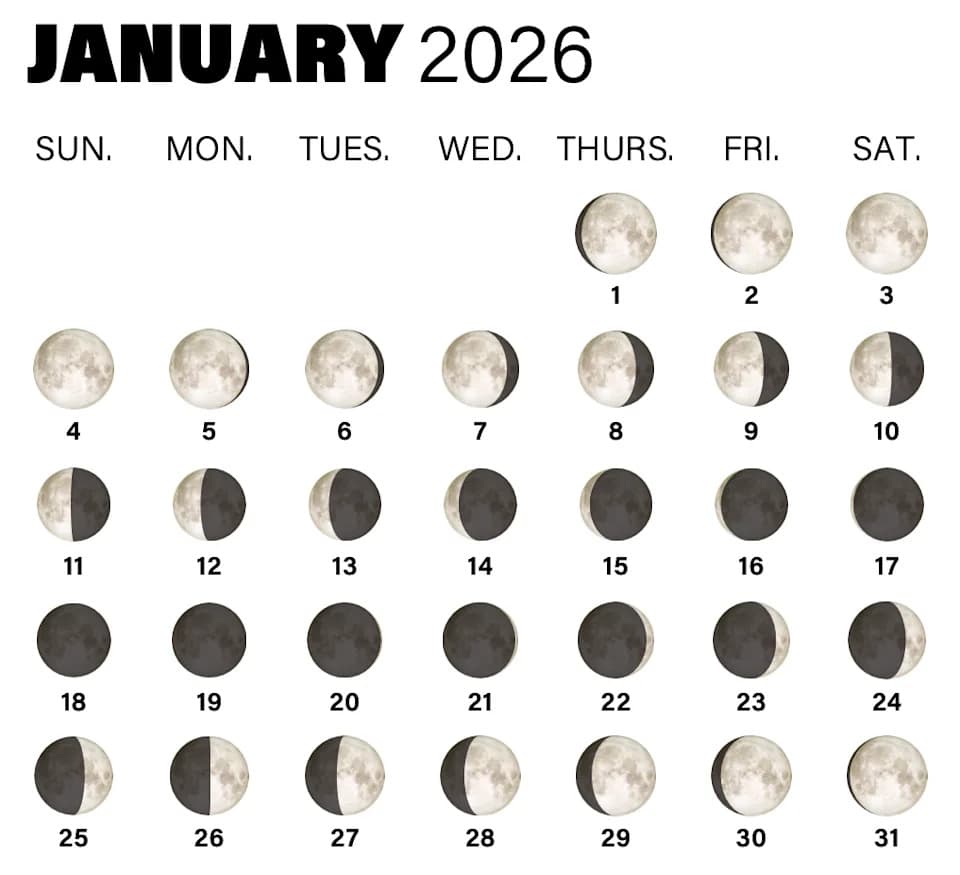
Moon phases this month
- Third Quarter by Dec. 11
- New Moon by Dec. 20
- First Quarter by Dec. 27
Names and traditions
The December full moon is often called the "Cold Moon" because it coincides with colder weather in the Northern Hemisphere. Traditional names recorded by sources such as the Old Farmer’s Almanac include "Moon Before Yule," Long Night Moon, Snow Moon, Moon When the Deer Shed Their Antlers, Frost Exploding Trees Moon and Moon of the Popping Trees.
What makes a "supermoon"
The term "supermoon" refers to a full (or new) moon that occurs when the moon is near its closest point to Earth in its elliptical orbit. That proximity can make the moon appear up to about 14% larger and up to 30% brighter than the faintest full moons of the year. The closer distance also increases tidal effects, producing higher-than-normal tides along coastlines.
By comparison, November’s supermoon occurred at roughly 221,816 miles from Earth, while December’s supermoon will be around 221,965 miles away — slightly farther, and therefore a hair "less super." NASA notes the moon’s orbit varies from roughly 221,457 miles to about 252,712 miles because of the gravitational interactions among the moon, Earth and sun.
According to Time and Date, the next supermoon after this December will occur on May 16.
About lunar coloration
When the moon passes through part of Earth’s shadow during a partial lunar eclipse, it darkens but isn’t completely obscured. The reddish tint often seen during eclipses comes from sunlight that passes through Earth’s atmosphere: shorter wavelength colors (blue, violet) scatter more easily, letting longer red and orange wavelengths reach the moon’s surface. More dust or clouds in the atmosphere generally makes the moon appear redder.
Reporting: Miguel Legoas
Help us improve.