The full Wolf Moon on January 3 will be a supermoon, reaching peak brightness around 5:00 a.m. EST and marking the last supermoon until November 2026. Supermoons occur near lunar perigee and can appear up to 14% larger and 30% brighter than micromoons. This event overlaps the Quadrantid meteor shower (Jan 2–3), so watch for bright fireballs during the midnight-to-pre-dawn peak. For best views and photos, observe near moonrise or moonset and use a tripod and telephoto lens or ~5x optical zoom on smartphones.
January’s Wolf Moon: Last Supermoon Until November 2026 — When, Where & How to Watch
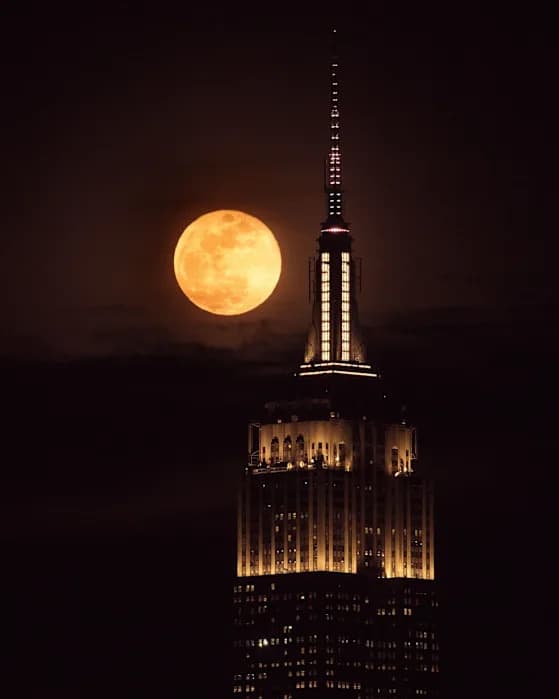
A super full moon rises behind the Empire State Building in New York City on January 31, 2018.Atilgan Ozdil, Anadolu/Getty Images
Mark your calendar: the full Wolf Moon on January 3 will be a supermoon, appearing noticeably larger and brighter than usual — and it will be the last supermoon until November 2026. Peak illumination occurs at about 5:00 a.m. EST on January 3, but with clear skies you can enjoy the sight all night from January 2–3.
When and Where to Watch
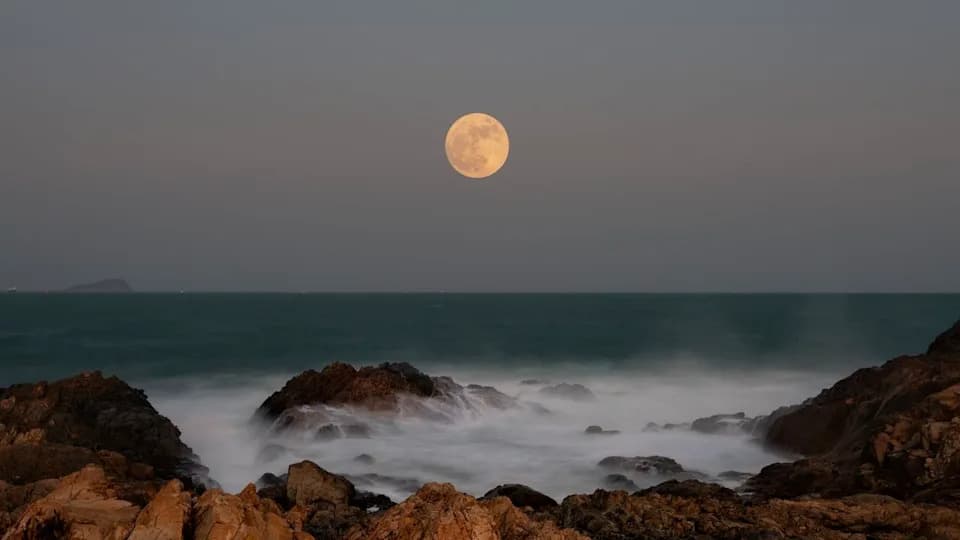
The Moon rises in the northeast on the evenings of January 2 and 3, climbs through twilight, and sets in the west near sunrise. For the most dramatic views, watch the Moon as it rises or sets — around local sunset and sunrise — when the “moon illusion” makes it appear especially large.
Why the Moon Looks Bigger and Redder
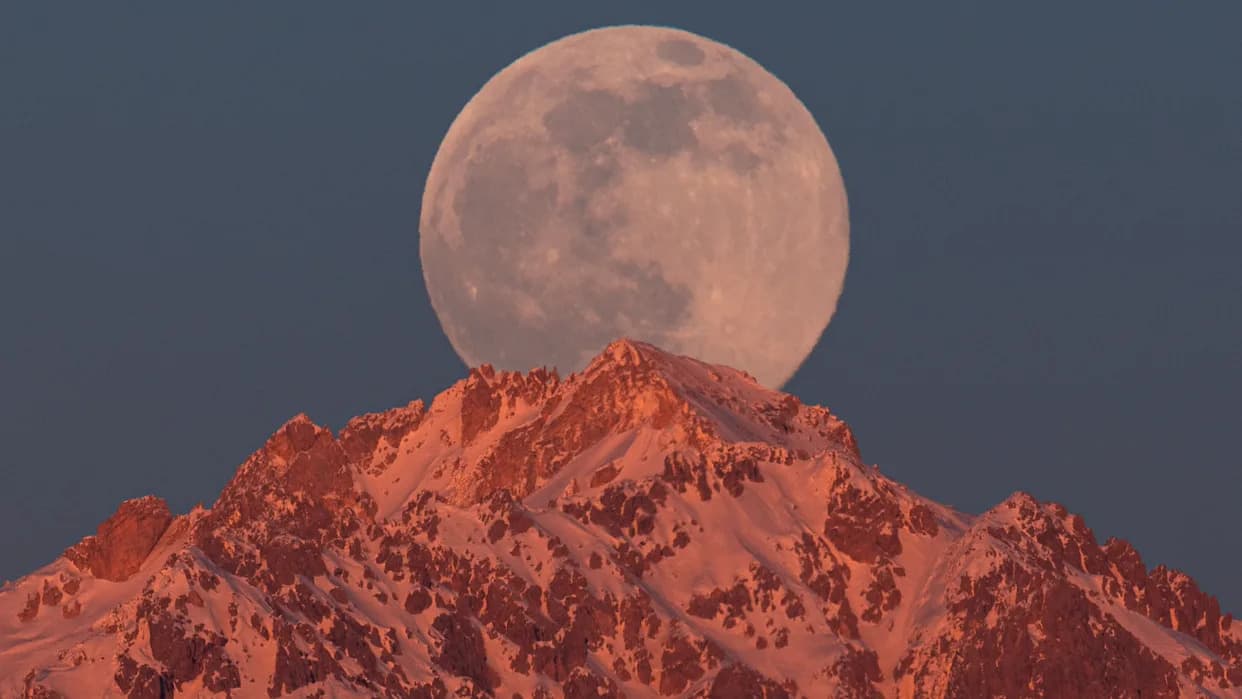
A supermoon occurs when the full Moon lines up near its closest orbital point to Earth, called perigee. At these times the Moon can look up to 14% larger and 30% brighter compared with a micromoon, its farthest phase. When the Moon is near the horizon, its light passes through more atmosphere: shorter blue wavelengths scatter away and longer red wavelengths dominate, giving the Moon an orange or tangerine cast.
What Else Will Be in the Sky
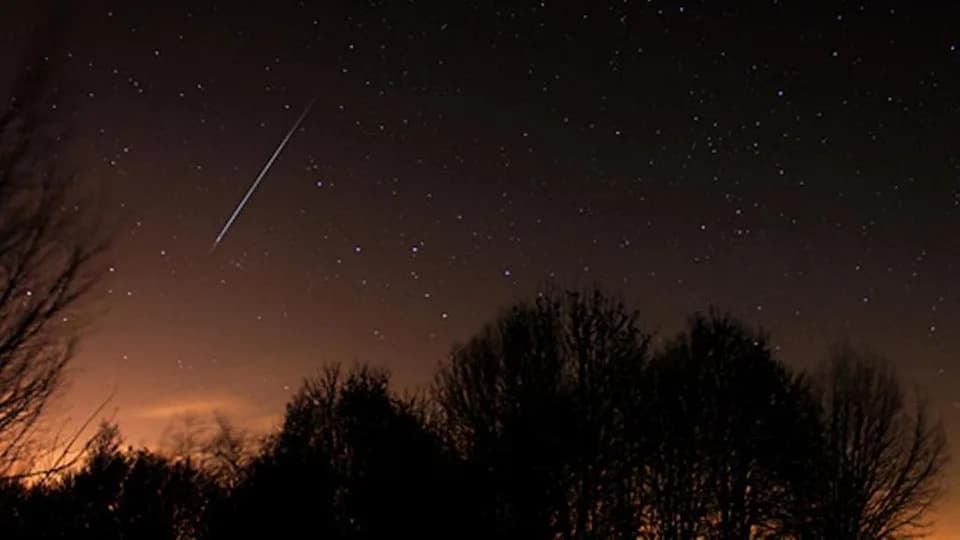
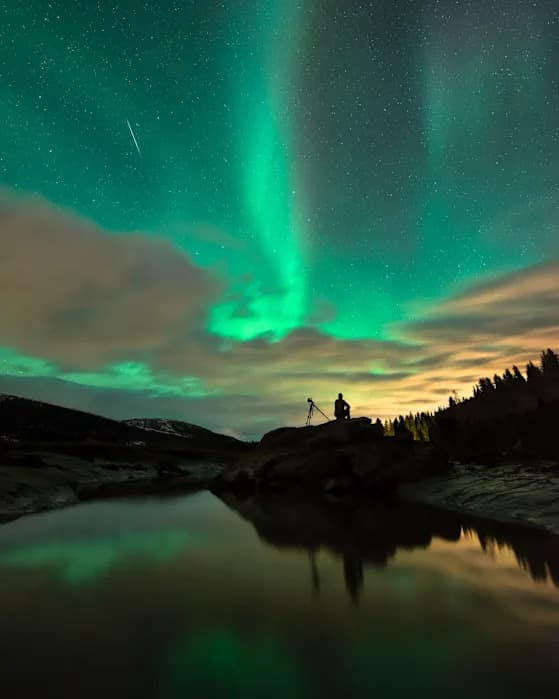
This supermoon shares the sky with several winter highlights: bright Jupiter will be near the Moon on the night of January 3, the constellation Orion will be prominent, and Saturn will glow in the southwest around moonrise. The event also coincides with the January 2–3 peak of the Quadrantid meteor shower, known for its bright fireballs. Although lunar glare will drown out many meteors, the Quadrantids’ vivid fireballs can still be visible — especially from midnight through the pre-dawn hours.
Viewing Tips
You don’t need remote dark skies to enjoy a supermoon — it’s bright enough to admire from cities affected by light pollution. The most important thing is an unobstructed horizon for moonrise or moonset shots. If you want to study lunar surface detail (craters, mountain ranges), wait until the Moon is in a lower-illumination phase such as mid-gibbous, when shadows provide better contrast.
Photography Tips
For DSLR or mirrorless cameras: use a tripod, a telephoto lens, and plan to shoot during moonrise or moonset to capture the warm, orange tones. Include foreground elements (buildings, trees, peaks, or wildlife) to give the Moon scale and drama.
For smartphones: use your phone’s optical zoom rather than digital pinch-to-zoom — aim for around 5x optical if available. A smartphone tripod or stable surface will improve sharpness. Experiment with exposure and composition to balance the bright Moon and any foreground.
Quick reminder: Peak illumination is at ~5:00 a.m. EST on January 3, but the Moon is viewable the evening before and the morning of, so plan around your location’s moonrise and moonset times.
Help us improve.