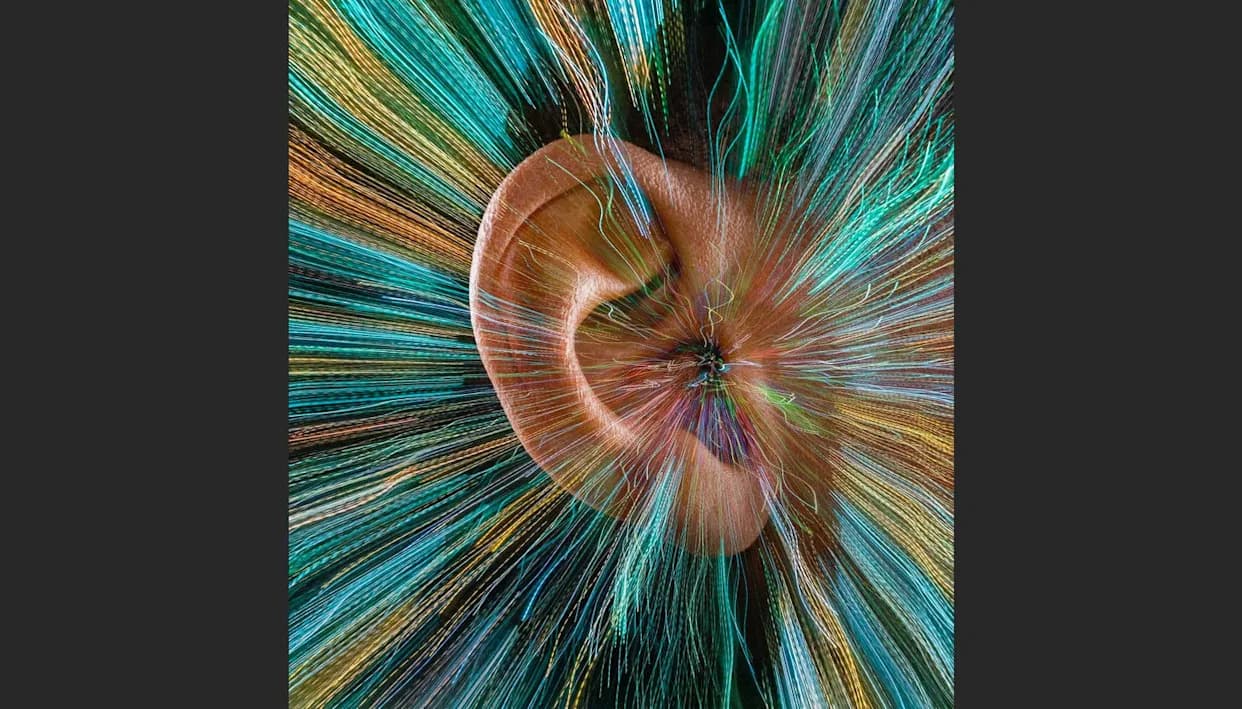
A European neuroscience team reports evidence that pigeons sense Earth's magnetic field via sensitive electric sensors in the inner ear, a system the researchers call a 'dark compass.' Using advanced brain mapping and cellular assays under controlled magnetic stimulation, they found inner-ear cells that respond electrically to magnetic changes. Professor David Keays (LMU Munich) says magnetoreception likely evolved independently across species, but the molecular details and neural integration remain to be clarified.
Pigeons May Carry a 'Dark Compass' in Their Inner Ear, Study Suggests

New research from a team of European neuroscientists suggests pigeons can detect Earth's magnetic field using specialized electric sensors located in the inner ear. The investigators combined advanced brain-mapping techniques with cellular analysis while exposing birds to controlled magnetic stimuli.
The study identified highly sensitive inner-ear cells that produce electrical responses to changes in magnetic fields, supporting the idea that pigeons possess a biological navigation system that researchers describe as a 'dark compass.' These findings focus attention on inner-ear structures previously overlooked in favor of the beak or the eyes.
“Our data suggests that there’s a ‘dark compass’ in the inner ear,” said Professor David Keays of Ludwig-Maximilians-Universität in Munich. “In all likelihood, magnetoreception has evolved convergently in different organisms. Much remains to be discovered.”
The concept is not entirely new: French naturalist Camille Viguier proposed in the late 19th century that inner-ear structures could mediate magnetic sensing, but his idea faded until modern methods could test it directly. The current work strengthens that hypothesis with modern neural and cellular evidence, though the authors caution that the molecular mechanisms and how magnetic signals are integrated with other sensory inputs are still unclear.
These results contribute to a broader understanding that different animals may evolve diverse biological systems to sense Earth's magnetic field, with implications for studies of migration, orientation and sensory evolution. Outside the lab, pigeons continue to capture public imagination — a recent report noted a brief commercial flight delay after two pigeons entered a plane in Minneapolis, underscoring how closely these birds intersect with human life.
Help us improve.