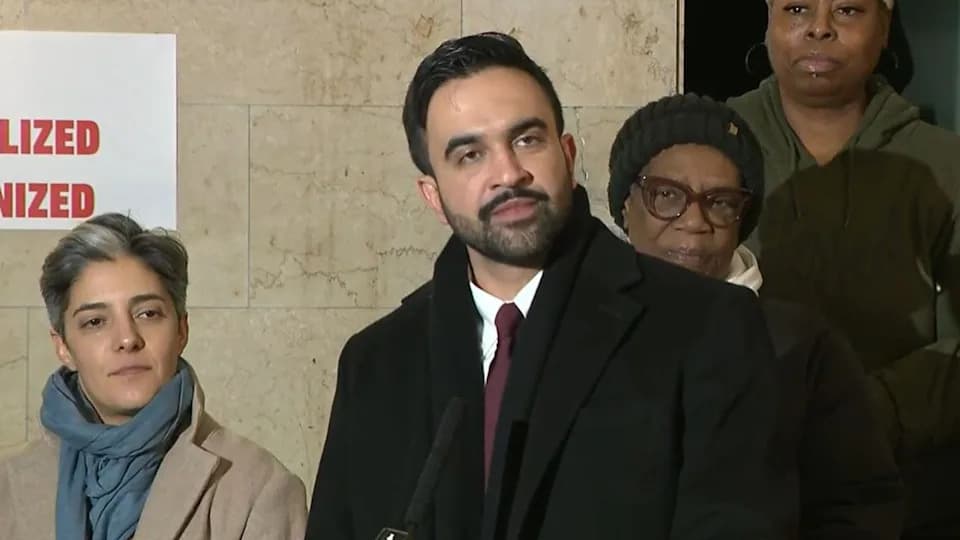
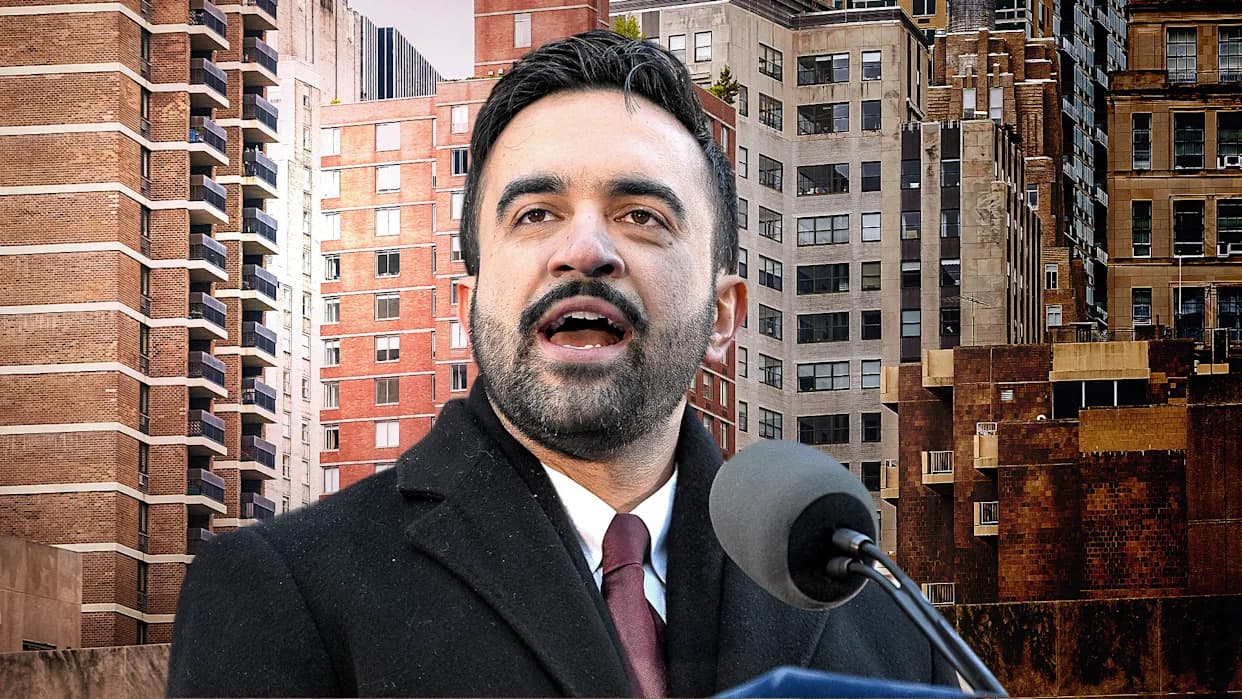
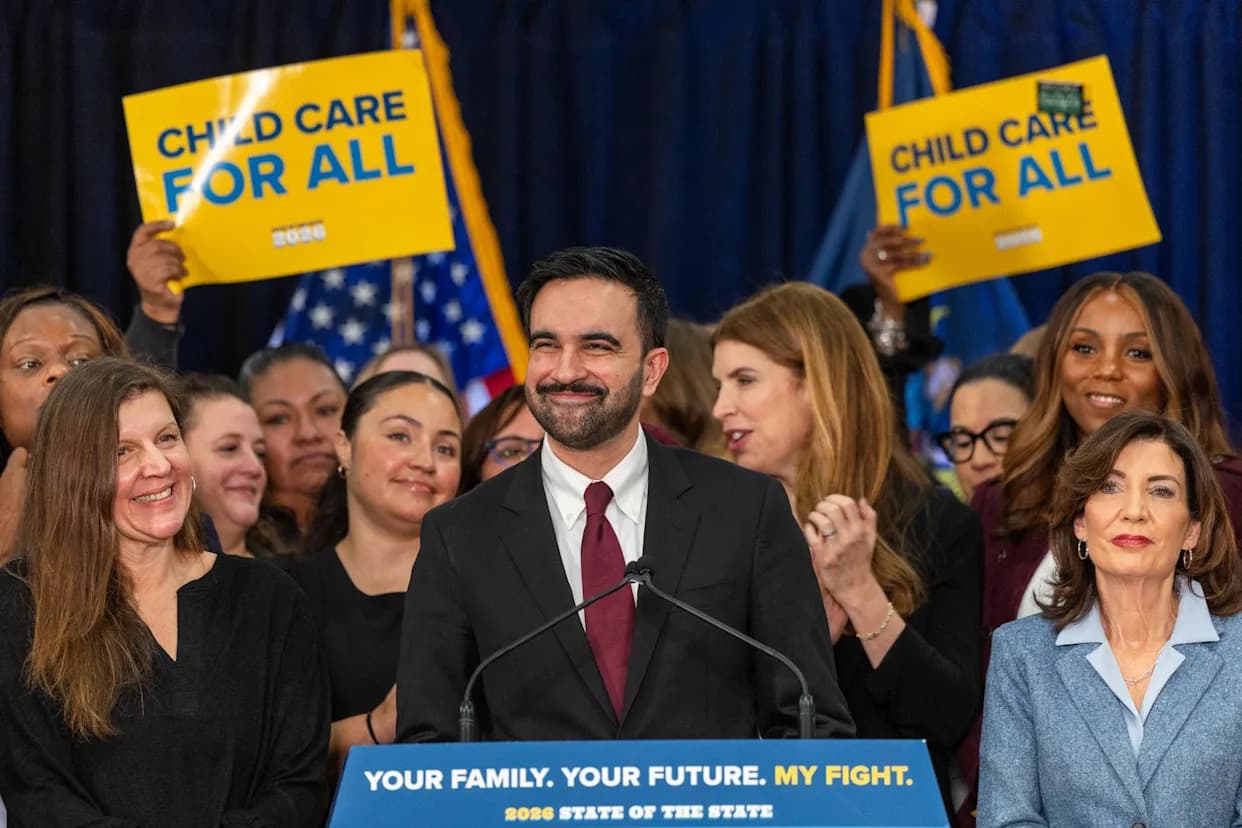
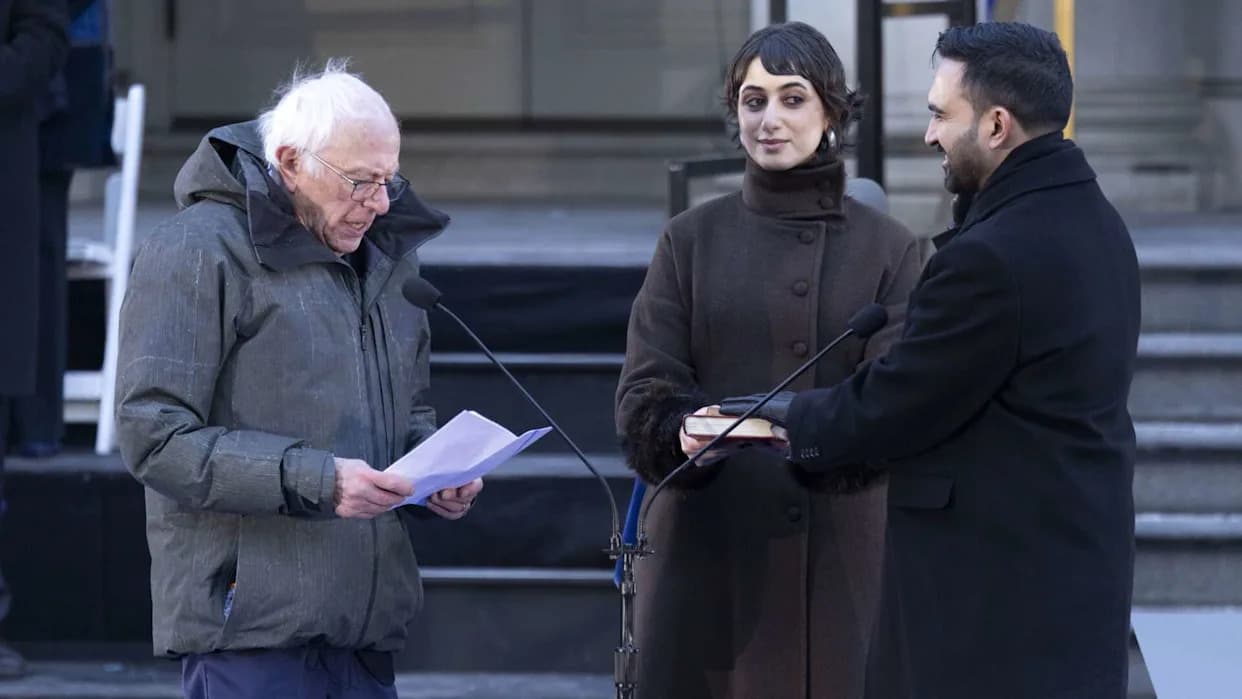
Mamdani’s election has sparked a fierce clash between New York City landlords and tenant activists over a proposed rent freeze that could cover nearly one million stabilized units and about two million residents. Landlords are organizing coalitions, threatening litigation and warning of building distress, while tenants and the mayor-elect argue a freeze is needed amid scarce affordable housing. The Rent Guidelines Board’s upcoming March–April data release and its public hearings will be the pivotal stage for this fight. Experts remain divided about the financial health of rent-regulated properties, and the dispute will test shifting political power in the city.
NYC Landlords Mobilize as Mayor-Elect Mamdani Pushes for Sweeping Rent Freeze

NEW YORK — After Zohran Mamdani’s decisive victory in the mayoral race, Brooklyn landlord Humberto Lopes used social media to warn fellow owners: “The storm is here.” Lopes had already launched the Gotham Housing Alliance, a coalition aimed at rallying property owners against Mamdani’s proposed rent freeze and other measures that landlords say could imperil their portfolios.
Industry on the Defensive
Once powerful political backers of city and state candidates, many landlords now find themselves scrambling to defend their interests. Years of policy setbacks in Albany and local elections have eroded the industry’s influence; Mamdani’s win is the clearest sign yet of that shift.
The mayor-elect has proposed freezing rents for up to four years across nearly one million rent-stabilized apartments — homes for about two million New Yorkers, roughly a quarter of the city’s population. Mamdani and tenant advocates argue the freeze is a necessary response to an increasingly unaffordable housing market; landlord groups counter that such a step would accelerate building distress and undermine the long-term viability of regulated housing.
How Landlords Are Responding
Landlords are preparing multiple lines of resistance: legal challenges, last-minute administrative appointments by outgoing officials, and public campaigns to highlight building distress. Kenny Burgos, head of the New York Apartment Association and a former state lawmaker, said the industry wants to work with the incoming administration but isn’t ruling anything out.
“The crisis this housing is in is certainly not Zohran’s fault, but his threats against this industry are very concerning for members whose housing is on the brink of extinction,” Burgos said. He noted that over the past 25 years, state laws allowed landlords to remove rent caps on roughly 170,000 apartments — a period that coincided with weak housing growth and rising affordability pressures.
Public Pressure and the RGB
Tenant activists and the rent-stabilized tenants who powered Mamdani’s campaign view a rent freeze as critical to preserving low-cost units in a market with extremely low vacancies. The city’s most recent housing and vacancy survey shows the vacancy rate for units renting under $2,400 per month is under 1 percent.
Each June, the mayor-appointed Rent Guidelines Board (RGB) holds high-profile, often raucous public meetings to set annual rent adjustments for regulated units. Those hearings — and the RGB’s annual data release, expected in March–April — will be a central battleground. The data can cut both ways: 2023 saw a 12 percent spike in net operating income for some owners, the largest increase in three decades, but that gain was concentrated in buildings with market-rate units. At the same time, the share of rent-regulated buildings classified as distressed (costs exceeding gross income) has risen since the 2019 tenant law overhaul, though advocates disagree about how widespread the problem is.
Complex Financial Picture
Rent-stabilized housing is heterogeneous: it ranges from new waterfront towers with luxury units to older outer-borough stock capped at low rents. Annual RGB reports include data that both sides can interpret to support their positions. Researchers and former city housing officials have highlighted financial stress in older buildings, particularly in parts of the Bronx, where operating costs have outpaced allowable rent increases.
In recent months Mamdani has emphasized reducing landlord operating costs — including property taxes, insurance and water bills — as part of the broader policy mix surrounding any freeze. He has argued that a freeze does not preclude concurrent reforms to ease the cost burden on owners. But property tax reform is politically difficult and has frustrated multiple administrations.
Political Stakes and Next Steps
The conflict over a possible multi-year rent freeze is more than a landlord-versus-tenant story: it tests a broader realignment of political power in New York City and could set precedents for other large cities. Landlords warn deteriorating buildings will force policymakers to respond; tenant advocates counter that the freeze is an urgent step to protect low-income renters amid a shrinking supply of affordable units.
In the short term, all eyes will be on the RGB’s data release and public hearings this spring, possible legal challenges, and how quickly the incoming administration can translate campaign promises into enforceable policy. The outcome will influence housing policy debates far beyond New York’s five boroughs.
Help us improve.