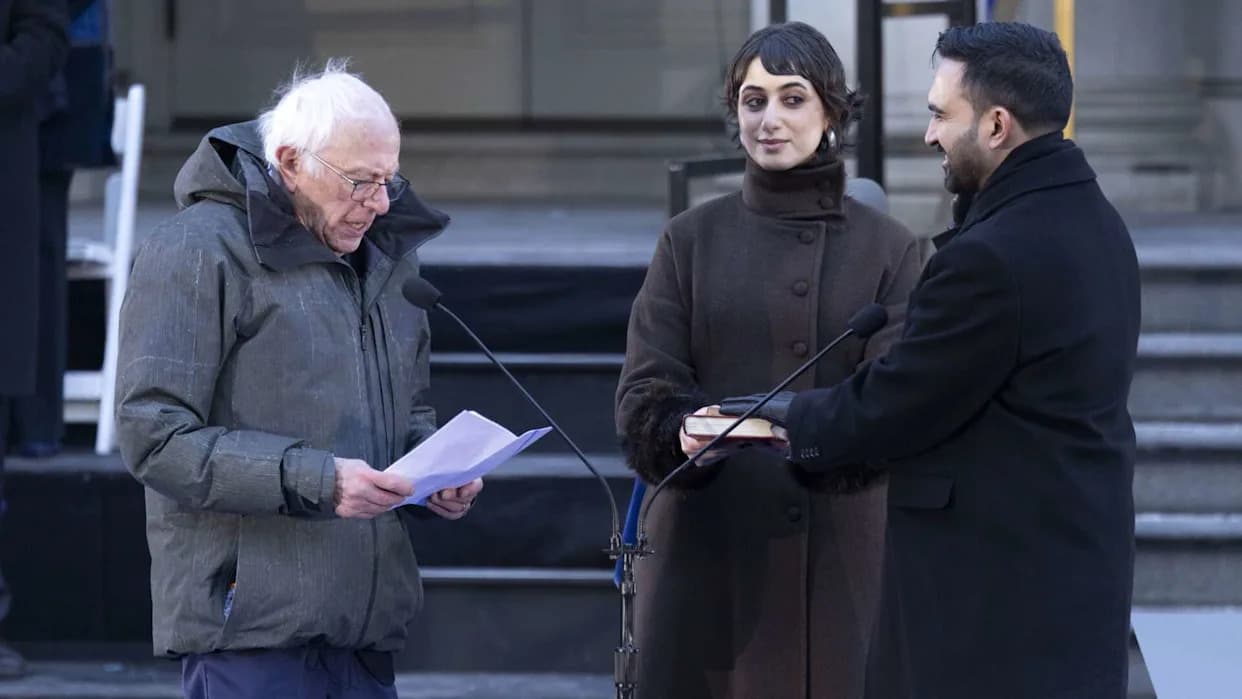
New York City’s election of Zohran Mamdani presents Albany with clear legal and political choices. Because the city is a state political subdivision, the legislature and governor can use tools — including public authorities, statutes that override the city charter, and the withholding of approvals or funding — to limit mayoral initiatives. Lawmakers must balance protecting city services and state interests with respect for local governance as they consider responses.
How Albany Can 'Mamdani‑Proof' New York City — And Why It Matters
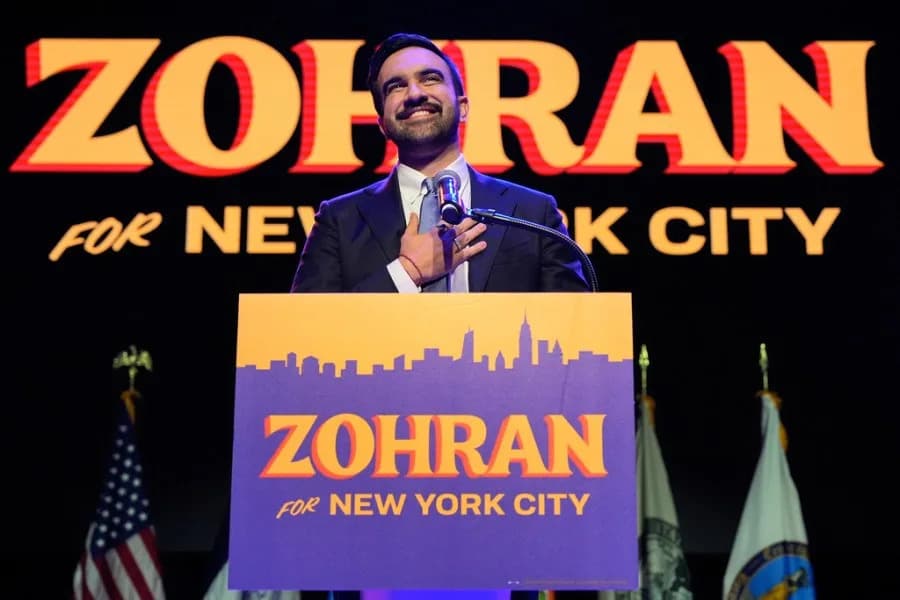
New York City’s election of Zohran Mamdani — the city’s first openly self‑described socialist mayor — raises immediate questions about how far City Hall’s policy agenda can reach and what role the state government should play in responding. Albany possesses substantial legal and constitutional tools that can limit or redirect municipal initiatives that the legislature or governor judge to be harmful to the city or the broader state.
Albany’s Legal Authority Over New York City
Under New York law, the city is a political subdivision of the state, and the state retains broad authority over how local governments operate. That authority is not merely symbolic: the legislature and governor can create, modify, or constrain municipal powers through statute, and they already oversee key functions that affect millions of New Yorkers.
Practical Tools the State Can Use
Public Authorities: Many vital services are already managed by state‑created entities. The Metropolitan Transportation Authority (MTA), which runs the subways and commuter rails, is governed largely by officials influenced by the governor — an example of state control over essential city infrastructure. The legislature could establish additional public authorities to oversee other city functions if it deems that necessary.
Statutory Overrides of the City Charter: The New York City charter defines the basic organization and powers of municipal government, including the mayor’s authorities. On matters of statewide concern, the legislature can pass laws that supersede parts of the charter or transfer particular authorities to state officials or other local officers.
Withholding Approval Or Funding: Not all mayoral proposals can be implemented by executive fiat. Many major initiatives — such as broad tax changes, rent freezes, or expanded universal programs — require state approval or funding. The legislature can simply decline to authorize or finance measures it opposes.
Political Context
Although Mamdani won the mayoralty as the Democratic nominee, roughly half of voters supported other candidates — a reminder that his mandate is not unanimous. Since his primary upset, he has largely remained aligned with the political networks and policy positions that propelled him, and several key appointees come from far‑left advocacy groups. State lawmakers, mindful of their own political futures (many face reelection in 2026), must weigh constituent interests as they consider intervention.
Options For Lawmakers
State policymakers have several calibrated responses available, ranging from targeted statutory changes to the creation of new oversight mechanisms. Possible steps include:
- Establishing or expanding public authorities for critical services to ensure continuity and professional management.
- Passing narrowly tailored statutes that limit specific municipal actions deemed to have statewide consequences.
- Denying state funding or statutory approval for programs that exceed the city’s statutory authority or fiscal capacity.
Any state action should be framed as governance and public‑interest protection rather than partisan retribution. The goal for Albany, proponents argue, should be to preserve city services, fiscal stability, and statewide legal norms while respecting local governance where appropriate.
Joe Burns is a partner at Holtzman Vogel, focusing on election law in New York State. He previously served as deputy director of election operations at the New York State Board of Elections.
Copyright 2026 Nexstar Media, Inc. All rights reserved. This material may not be published, broadcast, rewritten, or redistributed.
Help us improve.