
Zohran Mamdani will be sworn in as New York City’s mayor on Jan. 1, 2026, after defeating Andrew Cuomo on Nov. 4, 2025. His June primary upset and alliance with progressives like Bernie Sanders and Alexandria Ocasio-Cortez fueled a platform centered on affordability — rent freezes, free public transit, city grocery stores and childcare. The campaign exposed fractures within the Democratic Party and drew controversy over his Israel-related comments and past remarks about policing. Mamdani, the city’s first South Asian, Muslim and millennial mayor, now faces the challenge of turning bold promises into policy amid legal and political constraints.
How Zohran Mamdani Won New York: Inside the Campaign That Brought a Socialist to Gracie Mansion

Flashback: Inside the political movement that put a socialist in charge of New York City
Zohran Mamdani is set to be sworn in as mayor of New York City on Jan. 1, 2026, following a hard-fought general election victory over former governor Andrew Cuomo on Nov. 4, 2025. His rise — from a June primary upset to a national profile — highlights a campaign built around affordability, grassroots organizing, and modern digital outreach.
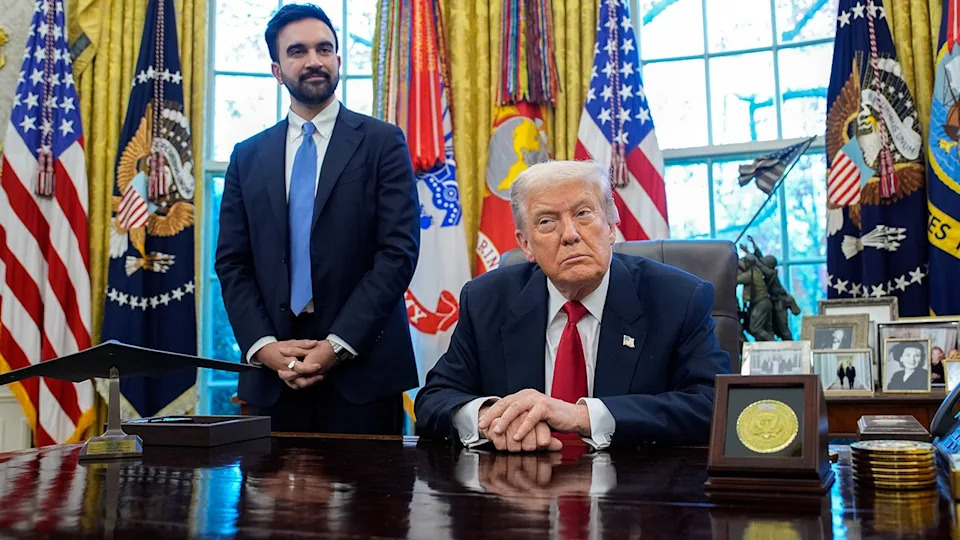
New York City Mayor-elect Zohran Mamdani and President Donald Trump speak to reporters following a meeting in the Oval Office in Washington, D.C., on Friday, Nov. 21, 2025.
Primary Upset and a Bold Platform
The 34-year-old Ugandan-born assemblyman from Queens shocked many observers by winning the Democratic mayoral primary in June, defeating a former governor who had been widely seen as the presumed nominee. Mamdani framed his campaign around sweeping affordability measures, including proposals for rent freezes, fast and free buses, city-operated grocery stores and free childcare.
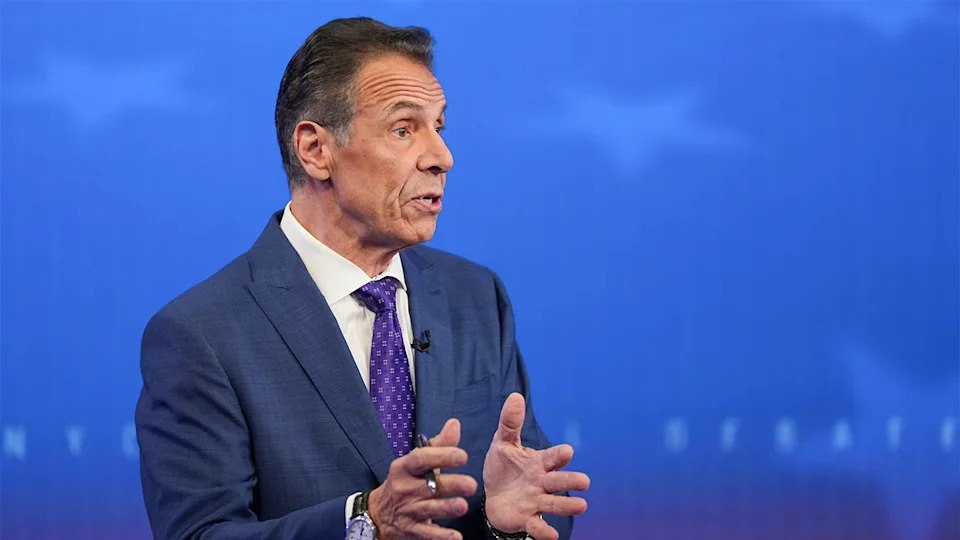
Then-Independent candidate former New York Gov. Andrew Cuomo speaks during a mayoral debate on Thursday, Oct. 16, 2025, in New York City.
Progressive Allies and National Attention
Mamdani earned vocal support from prominent progressives, including Sen. Bernie Sanders (I-Vt.) and Rep. Alexandria Ocasio-Cortez (D-N.Y.), who helped mobilize volunteers and voters for his affordability agenda. The campaign quickly drew national attention — and national criticism — with both enthusiastic endorsements and sharp pushback from political opponents.
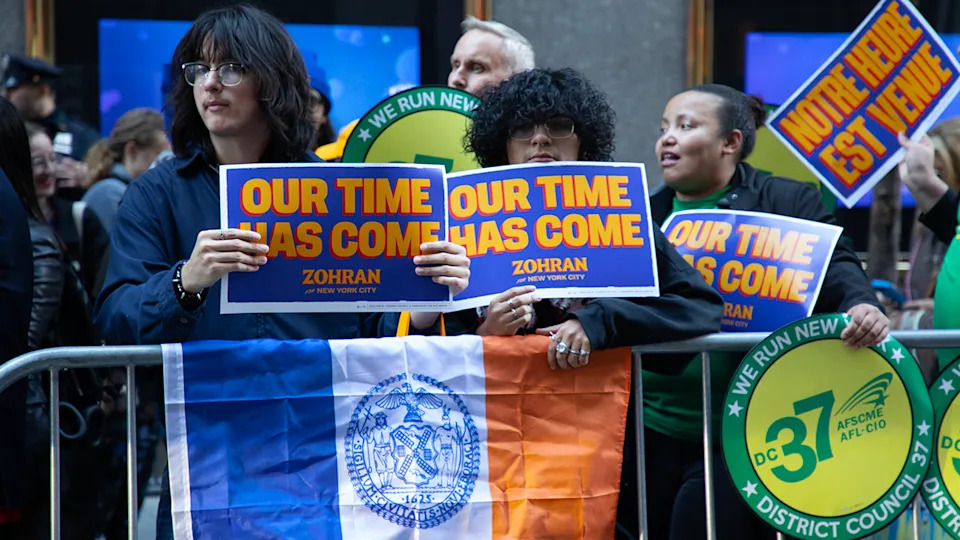
Zohran Mamdani supporters gather outside 30 Rock in New York City on Thursday, Oct. 16, 2025.
Confrontations and Unlikely Meetings
President Donald Trump publicly derided Mamdani on multiple occasions and endorsed Cuomo on the eve of Election Day, even suggesting potential federal funding consequences if Mamdani prevailed. Mamdani vowed to use legal and political means to defend the city’s funding. Despite the heated rhetoric, the two leaders held a cordial White House meeting in the run-up to the election and found limited common ground on affordability concerns.
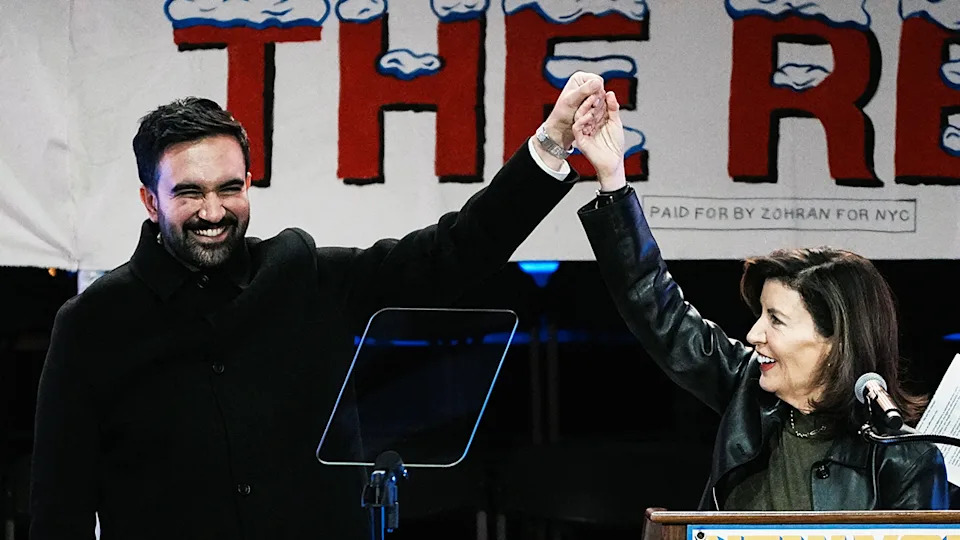
Then-New York City mayoral candidate Zohran Mamdani and Gov. Kathy Hochul, D-N.Y., hold hands on stage at a rally at Forest Hills Stadium in New York City on Oct. 26, 2025.
Fractures Within the Democratic Party
Mamdani’s primary victory exposed divisions in the Democratic Party. Some senior Democrats were slow to endorse him: Senate Minority Leader Chuck Schumer initially declined to back Mamdani, citing ongoing discussions, while House Minority Leader Hakeem Jeffries offered a last-minute endorsement. Gov. Kathy Hochul endorsed Mamdani in September and campaigned with him, though policy differences remain — notably over state-level tax increases Mamdani would need to fund parts of his agenda.
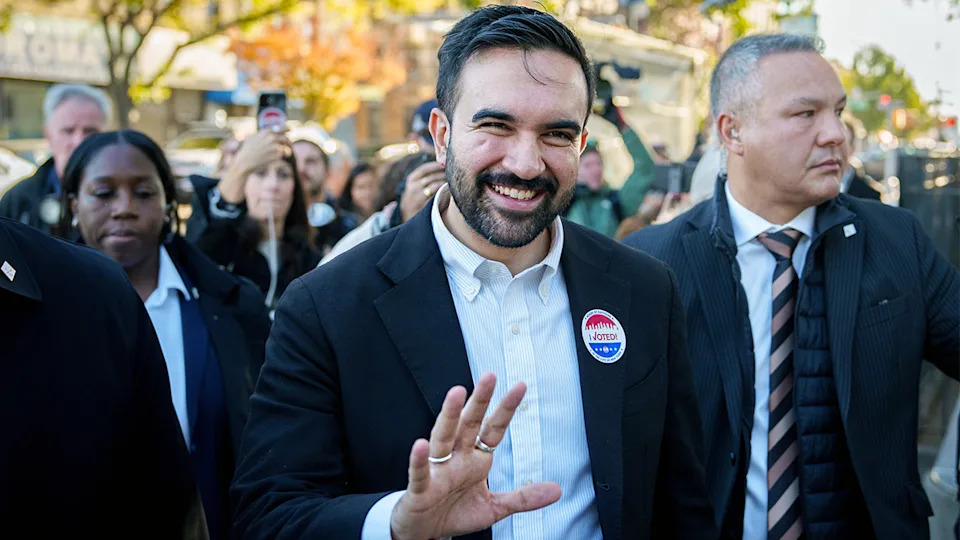
Then-New York City mayoral candidate Zohran Mamdani arrives at a media availability after casting his ballot in New York City on Tuesday, Nov. 4, 2025.
Controversies and Community Concerns
The campaign encountered sustained criticism from parts of New York’s Jewish community and other groups over Mamdani’s long-standing criticism of Israel and comments about the Gaza conflict. He described Israel’s campaign in Gaza as a "genocide" and declined to recognize nations that maintain hierarchical systems on the basis of religion or race. During the primary he declined to explicitly condemn the slogan "globalize the intifada," later saying he would discourage its use — a response many critics considered insufficient amid rising antisemitic incidents.

Mamdani accepts an endorsement from the United Bodegas of America in the Bronx, New York City, on Wednesday, Oct. 29, 2025.
Mamdani also faced scrutiny for past remarks about the New York Police Department, including sharp criticisms in 2020. During the campaign he apologized to rank-and-file officers and emphasized his desire to work with public safety personnel while pursuing police reforms.
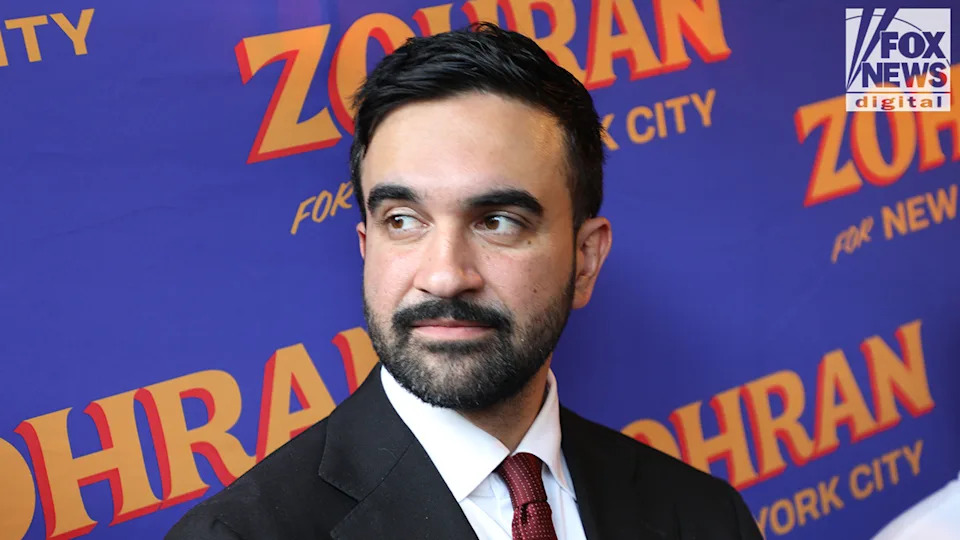
Mayor-elect Zohran Mamdani will be the first Muslim and millennial mayor of New York City.
Demographics, Digital Strategy and the Road Ahead
If sworn in, Mamdani will be the city’s first South Asian, first Muslim and first millennial mayor. His campaign used social media and influencer tactics aggressively — leveraging TikTok, Instagram and podcasts to build name recognition and engage younger, lower-propensity voters. Celebrity cameos and polished short-form content helped the campaign reach millions of views online.
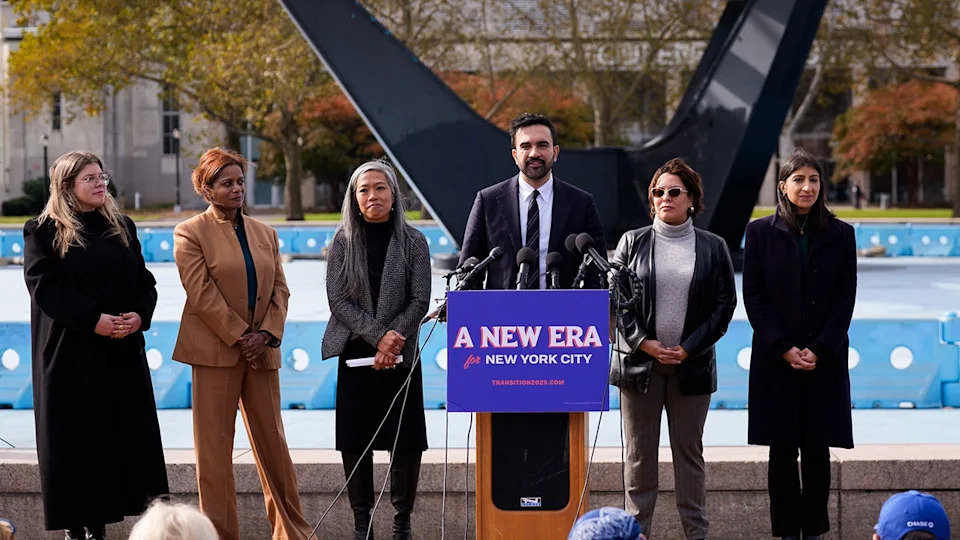
New York City Mayor-elect Zohran Mamdani is joined by members of his transition team at Flushing Meadows Corona Park in New York City on Wednesday, Nov. 5, 2025.
Turning campaign promises into policy will present practical challenges. Many proposals would require cooperation at the state level — including tax changes that Gov. Hochul has resisted — and face legal, budgetary and political constraints. Mamdani has already begun assembling a transition team and naming prospective City Hall leaders, but substantial negotiation and implementation work lies ahead.
Conclusion
Mamdani’s victory marks a significant political shift in the nation’s largest city: a democratic socialist with strong grassroots support and a bold affordability agenda now prepares to lead New York. Whether he can translate campaign promises into durable policy will depend on coalition-building across the city, cooperation with state officials and the realities of municipal governance. National figures and local stakeholders alike are watching closely.


