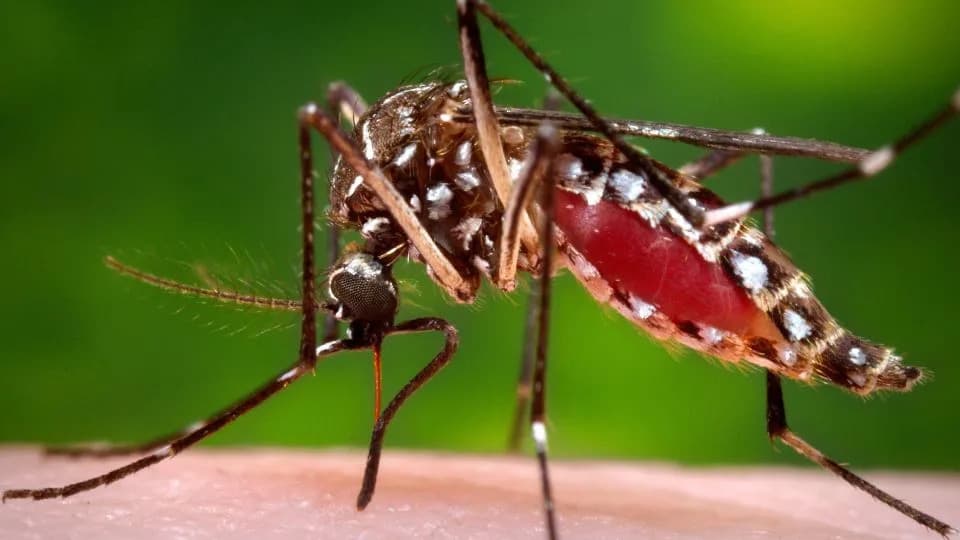
One mosquito species, Aedes aegypti, has adapted from forest animals to preferring humans and now spreads dengue, Zika and chikungunya globally. Researchers report dengue transmission is 50–100 times higher than about 50 years ago, putting roughly 4 billion people at risk. A genome study of 1,200+ mosquitoes from 74 sites (published in Science) maps the mosquito's spread, urban adaptation and rising insecticide resistance. The dataset can inform new control tools while community and household actions can help reduce exposure.
Aedes aegypti Surge: Dengue Now 50–100× More Common — 4 Billion at Risk
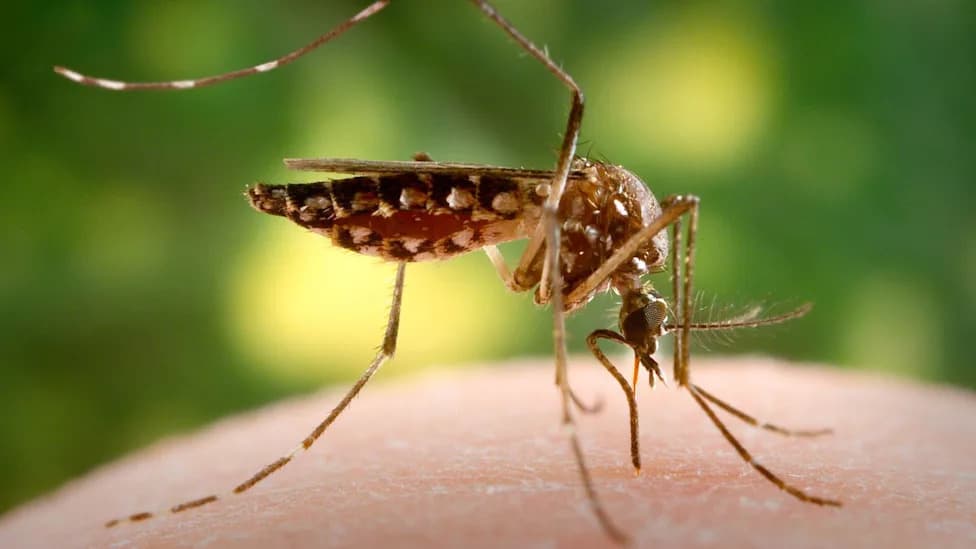
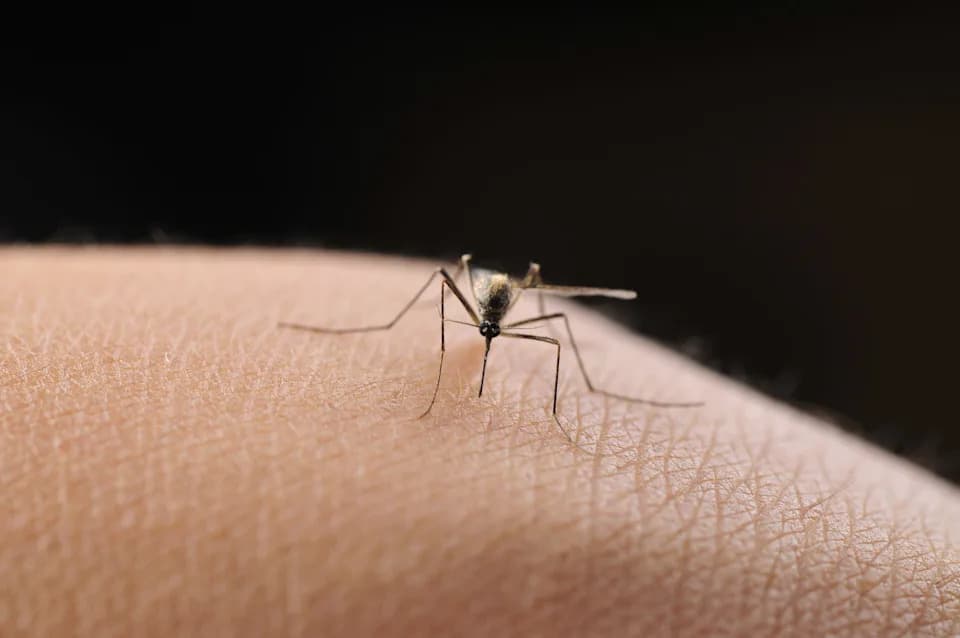
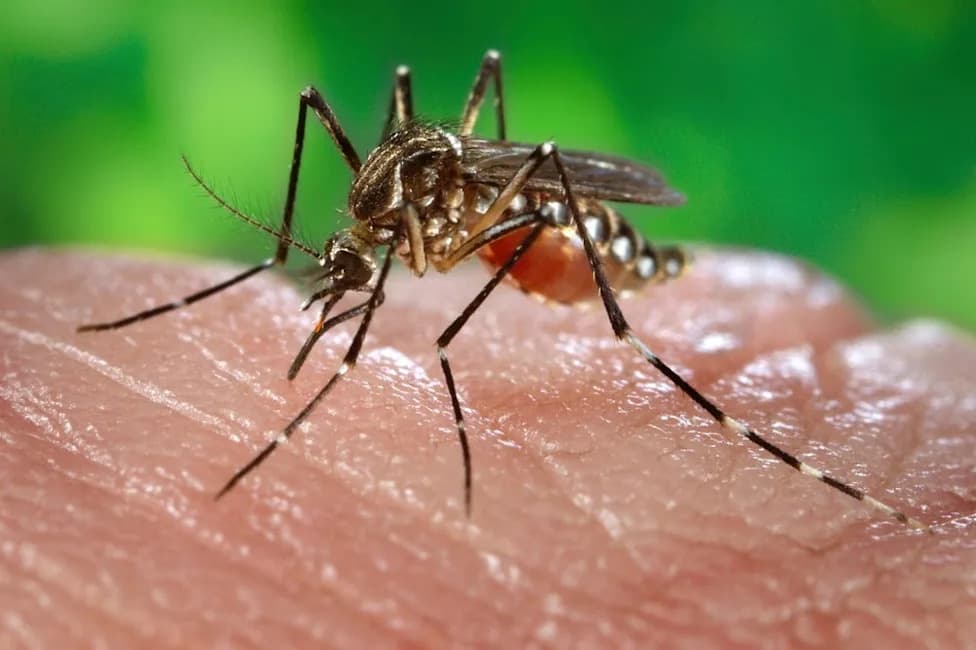
Researchers warn that one mosquito species, Aedes aegypti, has transformed from a forest-dwelling insect that primarily bit wild animals into a major global public health threat that prefers humans. The species now transmits viruses such as dengue, Zika and chikungunya across tropical and subtropical regions.
What the study found
A genome sequencing project led by Jacob Crawford and professor Peter Armbruster examined more than 1,200 Aedes aegypti specimens collected from 74 locations worldwide. Published in the journal Science in September, the analysis traces how the mosquito spread from Africa to the Americas and adapted to urban life, exploiting water-filled transport containers and evolving resistance to commonly used insecticides.
'There are over 3,500 species of mosquitoes, but one species, Aedes aegypti, is responsible for almost all types of dengue,' Crawford said.
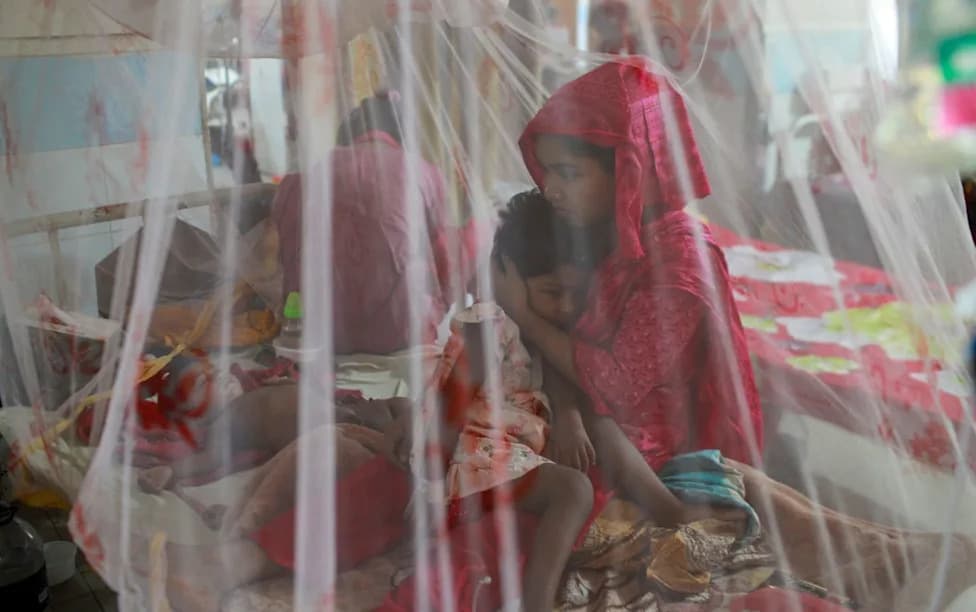
The researchers estimate that dengue transmission is now roughly 50 to 100 times more common than it was about five decades ago, placing an estimated 4 billion people at risk of infection.
Drivers of the expansion
Rising temperatures, changing rainfall patterns and rapid urbanization have created conditions that allow Aedes aegypti to survive and reproduce in areas that were previously unsuitable. As the mosquito's range expands, outbreaks of dengue and other mosquito-borne diseases are appearing in new regions each year.
At the same time, heavier reliance on insecticides during larger outbreaks can accelerate the evolution of resistance in this highly adaptable species, reducing the effectiveness of a key control tool.
Implications and next steps
Crawford hopes the genomic dataset will give researchers and public-health authorities better information to design new strategies to curb disease spread. His work was carried out in connection with Debug, a mosquito-control initiative at Google.
'This dataset will help understand and manage the spread of resistance and enable new tools to be developed in the fight to reduce the burden of dengue and other mosquito-borne viruses,' the paper's co-authors conclude.
Practical actions people and communities can take
- Eliminate standing water around homes and communities (flower pots, buckets, tires, clogged gutters).
- Cover or treat water storage containers and maintain pools and fountains.
- Install and repair window and door screens; use mosquito nets where appropriate.
- Use EPA-registered insect repellents and wear long sleeves and pants in mosquito-prone areas.
- Plant native species that are less attractive to mosquitoes and support community clean-up efforts.
- Support public-health measures: improved water and sanitation, robust disease surveillance, and responsible insecticide use guided by resistance monitoring.
Continued investment in genomic surveillance, vector control innovation and community-based prevention is essential to slow the spread of Aedes aegypti and reduce the global burden of dengue and other mosquito-borne diseases.
Help us improve.