The study published in Environmental Microbiome reports that Norway spruce needles can contain gold nanoparticles formed through biomineralization likely driven by soil microbes. Researchers from the University of Oulu link the particles to microbial activity and root uptake and identify several taxa associated with gold-bearing needles. The nanoparticles are far too small to be mined, but the process could be repurposed for environmental cleanup and non-invasive mineral exploration.
Microscopic Gold in Norway Spruce Needles — Microbes May Drive the Buildup
Researchers report that Norway spruce trees can host microscopic gold particles in their needles, a discovery published in the journal Environmental Microbiome.
The team describes a process of biomineralization in which soil microbes appear to transform dissolved gold taken up from the ground into tiny metallic particles inside the trees. Biomineralization is a biological process similar to how marine organisms form shells or skeletons from minerals such as calcium carbonate.
"Our results suggest that bacteria and other microbes living inside plants may influence the accumulation of gold in trees," said Kaisa Lehosmaa, a postdoctoral researcher at the University of Oulu in Finland.
What the study found
In their discussion, the authors propose that gold dissolved in soil is taken up by spruce roots and transported upward. Inside needles, the gold was detected as nanoparticles coated with biofilm — a matrix produced by microbes commonly associated with plants. Needles that contained gold particles also showed elevated concentrations of microbes identified as P3OB-42, Cutibacterium, and Corynebacterium, supporting the idea that microbial communities play a role in converting dissolved gold into metallic nanoparticles.
How big is the gold?
The particles are vanishingly small — on the order of nanometres (about a millionth of a millimetre) — and are not recoverable as conventional bullion. Extracting such nanoparticles by hand would be impractical.
Why the process matters
Although the gold itself isn’t economically recoverable in this form, the biomineralization process is promising for other reasons. By converting dissolved metals into stable particles that bind to plant tissues, these microbial processes could help cleanse contaminated soils and waterways. For example, microbes living in aquatic mosses might be harnessed to remove pollutants from mining-affected water.
Scientists also suggest that plants’ microbial communities — their "microbial fingerprints" — could help indicate the presence of subsurface mineral deposits, offering a less invasive alternative to drilling for mineral exploration.
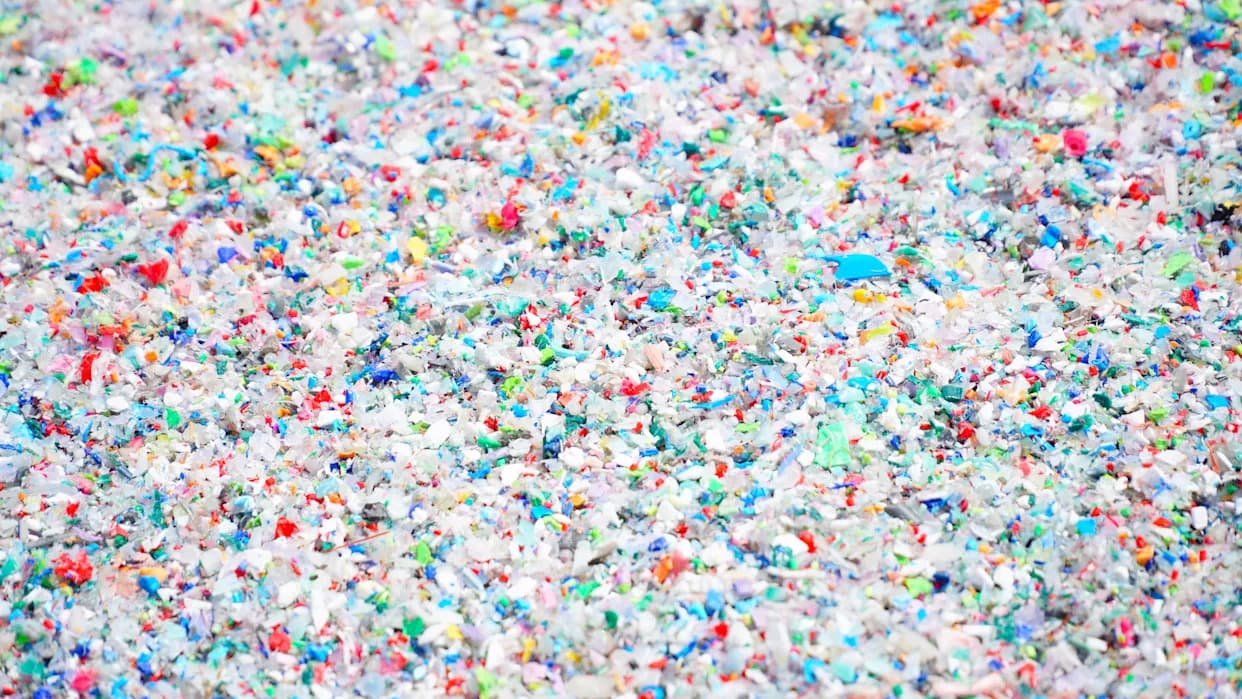
Previous research has shown microbes can play roles in reducing plastic pollution and enhancing soil carbon storage. While it remains uncertain when or how the specific mechanisms observed in this study can be applied at scale, the findings add to growing evidence that microbial processes can contribute to environmental remediation and resource exploration.
Takeaway: Microbes inside Norway spruce appear able to transform dissolved gold into microscopic metal particles. The discovery is notable not for immediate economic gain, but for its potential to inform cleaner remediation strategies and non-invasive mineral prospecting.
Help us improve.