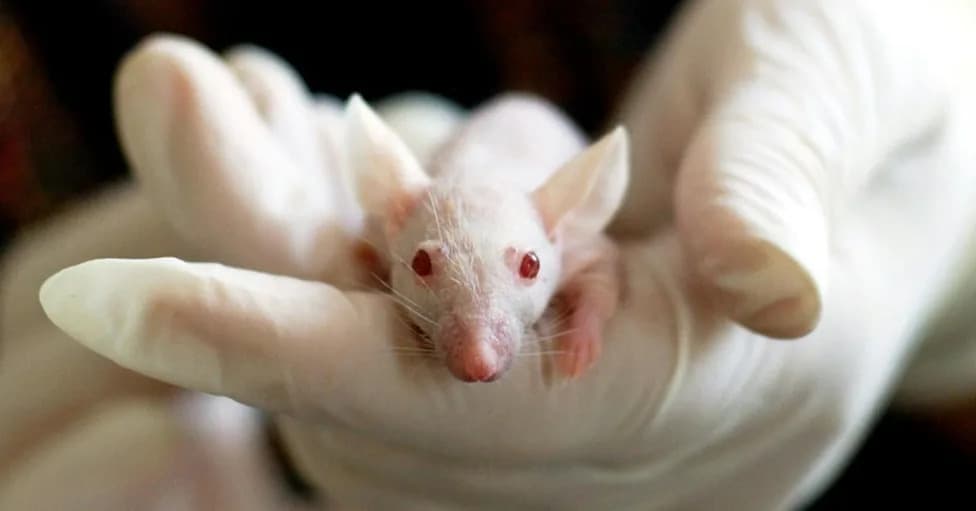
Stanford researchers reversed type 1 diabetes in mice by combining a mild immune-conditioning regimen with bone marrow stem-cell and donor islet transplants. The protocol induced mixed chimerism, preventing diabetes in 19 pre-diabetic mice and curing nine animals with long-standing disease. No major side effects were reported in the study, but investigators stress that translating the method to humans will require further testing, personalization and safety evaluation.
Breakthrough in Mice: Type 1 Diabetes Reversed by Immune Reset and Donor Cell Transplants

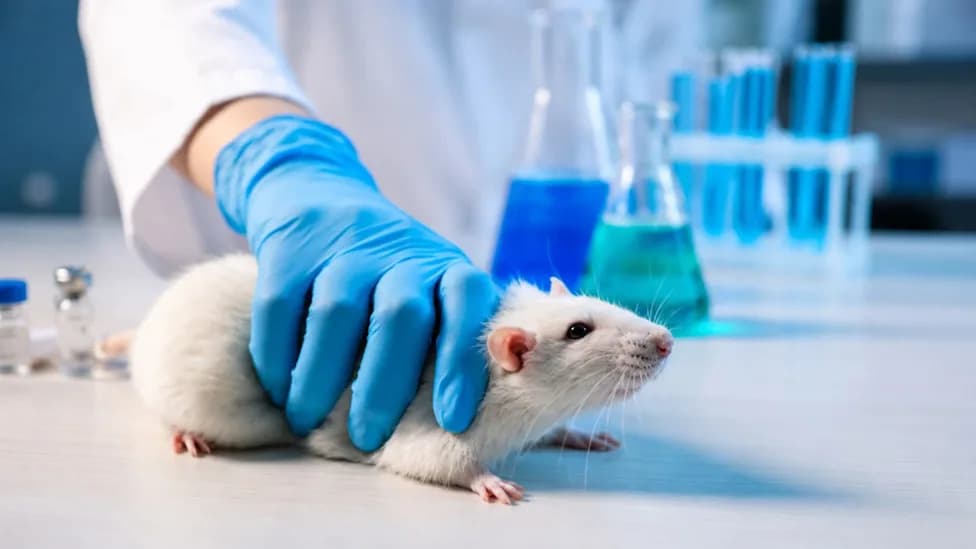
Researchers at Stanford School of Medicine report a method that reversed type 1 diabetes in mice by combining a mild immune-conditioning protocol with bone marrow stem-cell and donor islet transplants. The team used a non-toxic, gentler pre-conditioning regimen to reduce immune reactivity, then introduced donor bone marrow and insulin-producing islet cells. The study, published in the Journal of Clinical Investigation, achieved disease reversal or prevention in every treated animal in these experiments.
The investigators began with 19 pre-diabetic mice. They applied a conditioning regimen that included low-dose radiation and targeted antibodies to deplete specific T cells, making the animals' immune systems less likely to reject donor cells. After conditioning, the mice received bone marrow transplants from donor animals as well as donor islet cells that produce insulin.
By establishing a state of mixed chimerism—a hybrid immune system composed of both recipient and donor immune cells—the researchers prevented diabetes from developing in all 19 pre-diabetic mice. In a separate experiment, nine mice with long-standing type 1 diabetes were treated with the same combined protocol; all nine animals became diabetes-free after the procedure. The authors reported no major side effects or broad immune depletion in the treated animals.
Why mixed chimerism matters
Mixed chimerism helps the recipient accept donor tissues by promoting immune tolerance: the immune system recognizes donor cells as part of the body instead of mounting a destructive attack. This approach has been explored in other clinical contexts, and the authors emphasize that the core steps used to create mixed immunity are already in use for some human conditions.
Seung K. Kim, M.D., Ph.D., KM Mulberry Professor and professor of developmental biology, gerontology, endocrinology and metabolism at Stanford, said the findings point to a potentially transformative path for people with type 1 diabetes and other autoimmune disorders.
Limitations and next steps
Important caveats remain. These results were obtained in mice, and the conditioning protocol included low-dose radiation—an element that will require careful evaluation and possible modification for human use. Translating the approach to people will also require work to ensure long-term safety, to identify which patients could benefit most, and to refine conditioning so it is as safe and tolerable as possible.
The researchers suggest the milder pre-conditioning strategy could broaden the use of stem cell transplants for autoimmune diseases such as rheumatoid arthritis and lupus, and for non-cancerous blood disorders like sickle cell anemia. Some commentators note that future human applications may benefit from personalization—using genetic analysis and computational tools to tailor therapy to an individual’s immune profile.
Overall, the study provides a promising proof of concept: combining immune-system resetting with the introduction of new insulin-producing cells can restore normal glucose control in mice. The path to human trials will require additional preclinical work, regulatory review, and clinical testing to adapt the regimen for safety and efficacy in people.
Help us improve.