Many states are cutting or tightening Medicaid coverage for GLP-1 weight-loss drugs amid rising costs and federal policy changes. KFF data show prescriptions climbed from 755,300 in 2019 to 3.8 million in 2023 and Medicaid spending rose from $597.3M to $3.9B. States are adopting varied responses—ending coverage, narrowing eligibility, or shifting requirements—while clinicians warn that reduced access could worsen obesity-related health outcomes.
States Pull Back Medicaid Coverage for GLP-1 Weight-Loss Drugs as Costs Bite

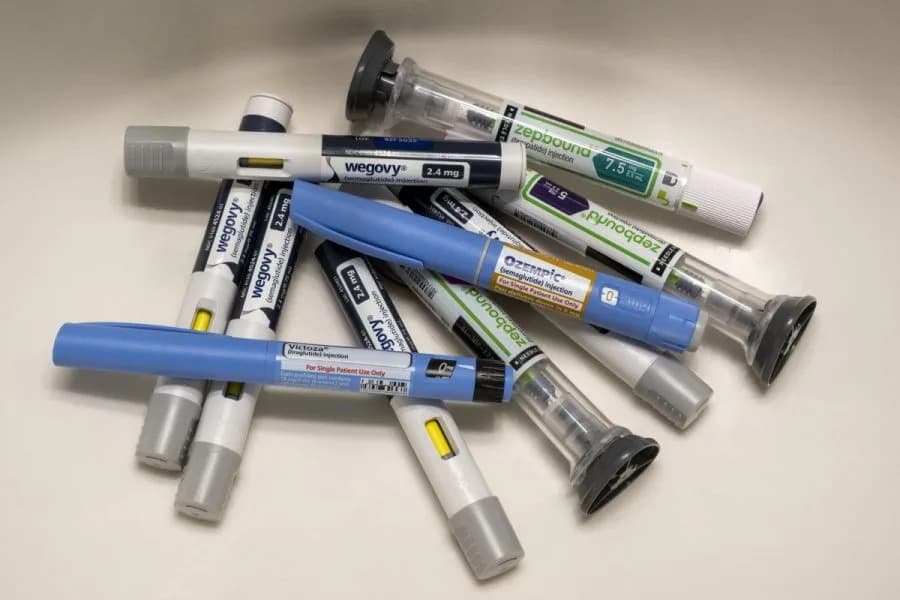
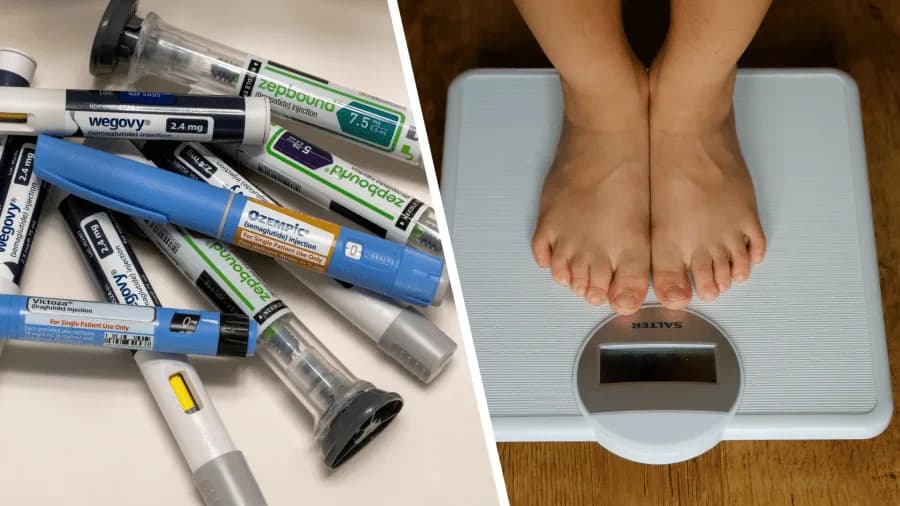
Many state Medicaid programs are scaling back or ending coverage of GLP-1 medications for weight loss as lawmakers confront tightening budgets and federal policy shifts. These drugs—sold under names such as Ozempic, Wegovy and Zepbound—were originally developed to treat Type 2 diabetes but have become widely used for obesity because they suppress appetite and can produce substantial weight loss.
Which states are changing policy?
According to a KFF survey of Medicaid directors, 16 state Medicaid programs covered GLP-1s for obesity treatment as of Oct. 1, up from 13 a year earlier. Still, several states have announced plans to limit or eliminate coverage. North Carolina terminated Medicaid coverage for GLP-1s for obesity recently, citing state funding shortfalls. California, New Hampshire and South Carolina have said they will end coverage effective Jan. 1. Michigan will restrict coverage next year to people classified as "morbidly obese," and Pennsylvania, Rhode Island and Wisconsin are considering new limits.
Costs and utilization
Use of these drugs through Medicaid has surged. KFF reports that outpatient Medicaid prescriptions for selected GLP-1s (for diabetes and obesity) rose from about 755,300 in 2019 to 3.8 million in 2023, while Medicaid spending on those drugs climbed from $597.3 million to $3.9 billion during the same period. A BMJ study found U.S. patients without diabetes initiating GLP-1 treatment increased from roughly 21,000 in 2019 to about 174,000 in 2023.
Arguments on both sides
Clinicians and patient advocates argue that Medicaid coverage can prevent downstream, costly conditions tied to obesity—such as heart disease and diabetes—and may save money over the long run. Dr. Jennifer McCauley, a weight-management physician at UNC Health, said Medicaid coverage of GLP-1s was "incredibly helpful for our patients," and that ending coverage forced some patients to stop treatment, regain weight and suffer worsening health.
“Now they’ve stopped coverage, so those people are now going back, regaining some of the weight, because they’re unable to obtain these medications, and also are suffering the health consequences of obesity.” — Dr. Jennifer McCauley
State officials and budget analysts counter that current prices and rapid uptake create a large and immediate fiscal burden. Elizabeth Williams, a senior policy manager at KFF, said the recent policy shift reflects slowing state revenues, rising spending demands and uncertainty driven by federal actions.
Federal and alternate policy moves
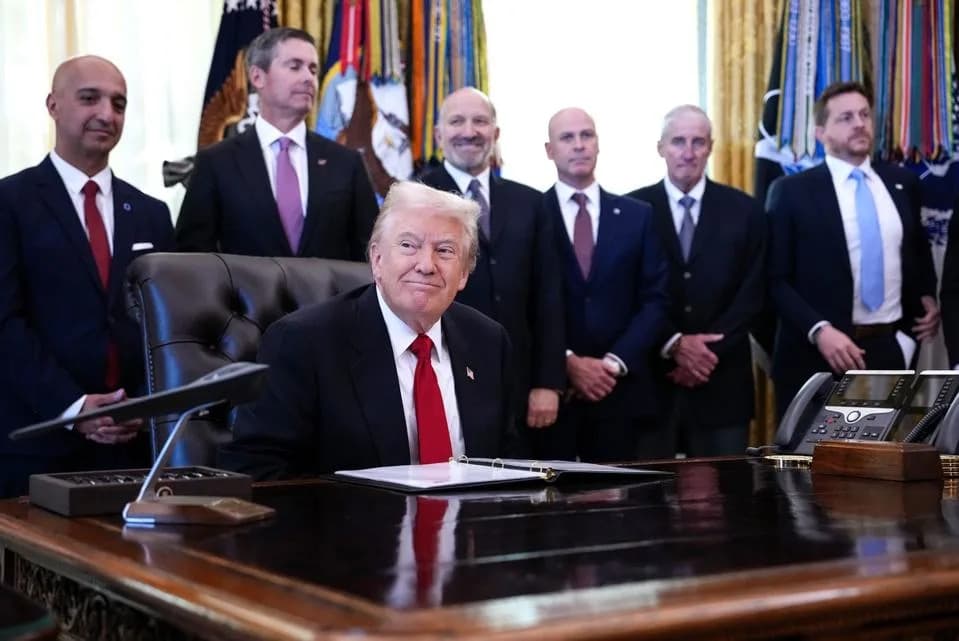
Federal policy has influenced states' decisions. A previous federal proposal that would have required Medicaid coverage for certain GLP-1s was withdrawn, and recent federal negotiations with manufacturers aim to lower prices for some drugs—though it is unclear how much those deals will reduce states' Medicaid costs.
Some states are seeking middle-ground approaches: tightening eligibility criteria, requiring attempts at counseling before medication, or shifting coverage responsibilities. Connecticut, for example, is keeping coverage for state employees but requires online weight-loss counseling before prescribing GLP-1s. North Dakota took a different route by mandating that insurers on its Affordable Care Act marketplace cover GLP-1s for patients with a documented medical need after legislation to require Medicaid coverage failed.
What this means for patients
Manufacturers have lowered some list prices, offering certain GLP-1s directly to consumers for around $500 or less per month, but many patients still cannot afford out-of-pocket costs. With more than two in five U.S. adults classified as having obesity (BMI of 30 or higher) and obesity-related costs estimated at nearly $173 billion annually by the CDC, states face a difficult trade-off between short-term budgetary constraints and potential long-term health-care savings.
As demand for these medications grows, state policymakers will likely continue to weigh stricter eligibility, targeted coverage, or alternative financing approaches to balance patient access with fiscal responsibility.
Reported by Shalina Chatlani.
Help us improve.