The Energy Department’s order to keep the 63-year-old J.H. Campbell coal plant operating has cost Midwest ratepayers about $113 million so far and was extended for 90 more days. Consumers Energy estimates the mandate costs roughly $615,000 per day and says it can recover costs from customers. Data from MISO and Michigan regulators show surplus capacity this summer, contradicting federal reliability claims. Legal challenges and environmental concerns over pollution and coal-ash contamination are ongoing.
Federal Order to Keep Michigan Coal Plant Running Costs Midwest Ratepayers $113M — Extended 90 Days

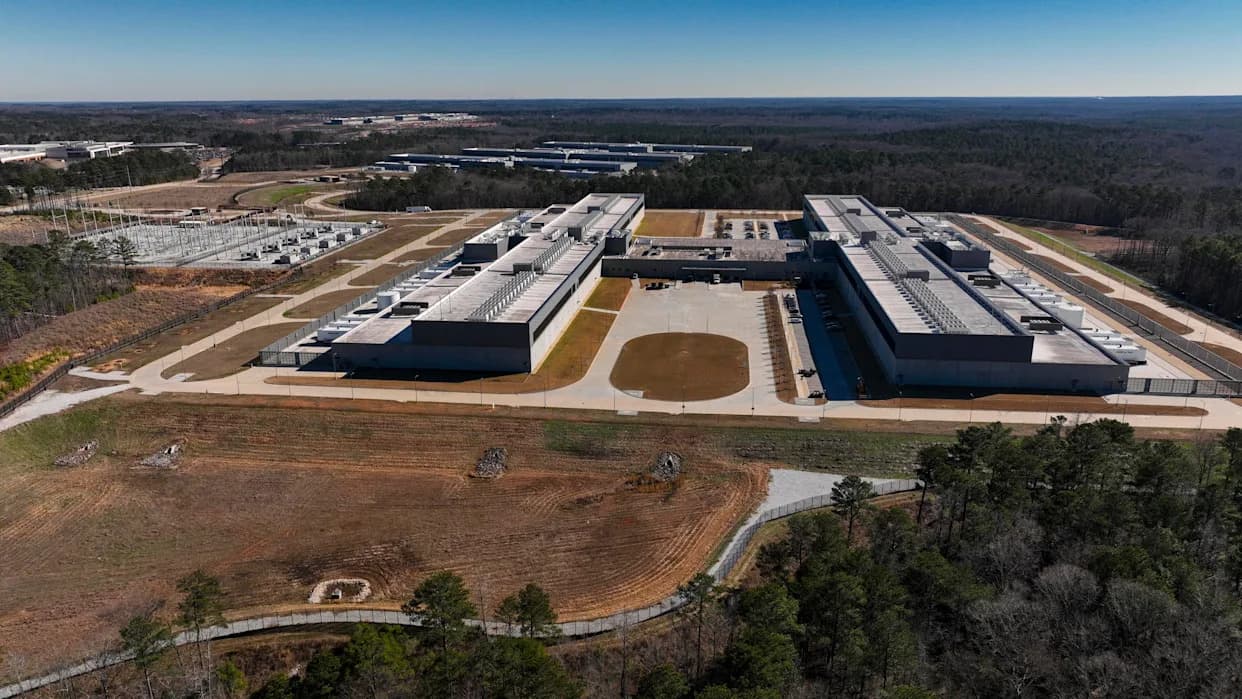
The Trump administration's directive to keep the 63-year-old J.H. Campbell coal-fired power plant in western Michigan operating has already cost electricity customers across the Midwest approximately $113 million, according to estimates from the plant’s operator and regional regulators. Last week the Energy Department extended the directive, ordering the facility to remain online for an additional 90 days.
What the order requires and who pays
The May order instructed utility Consumers Energy to reverse its planned retirement of Campbell, located roughly 100 miles northeast of Chicago. Consumers Energy says the order allows the company to recover the added costs from ratepayers. In regulatory filings the utility has estimated the mandate is costing customers about $615,000 per day; the order has been in effect for roughly six months.
“The costs of unnecessarily running this jalopy coal plant just continue to mount,” said Michael Lenoff, an attorney with Earthjustice, which has sued over the order.
Reliability claims challenged by regulators
The Energy Department defended the original action by saying retiring the coal plants would jeopardize grid reliability. But recent data from the Midcontinent Independent System Operator (MISO) and the Michigan Public Service Commission (MPSC) shows the grid reported surplus capacity this summer well above what Campbell contributes during peak demand. Regulators and advocates note the plant frequently operated below full output, suggesting its generation was not essential even when it was online — though it continued to generate costs for consumers.
Legal and political response
Michigan Attorney General Dana Nessel has filed a motion seeking a stay in federal court, calling the administration’s order “arbitrary and illegal.” Multiple lawsuits challenge the broader national energy emergency executive order that the administration used to keep Campbell and another Michigan coal plant online. The other plant is not due to close for two more years; together the two facilities account for roughly 45% of greenhouse gas emissions from the state's power sector.
Environmental and public-health concerns
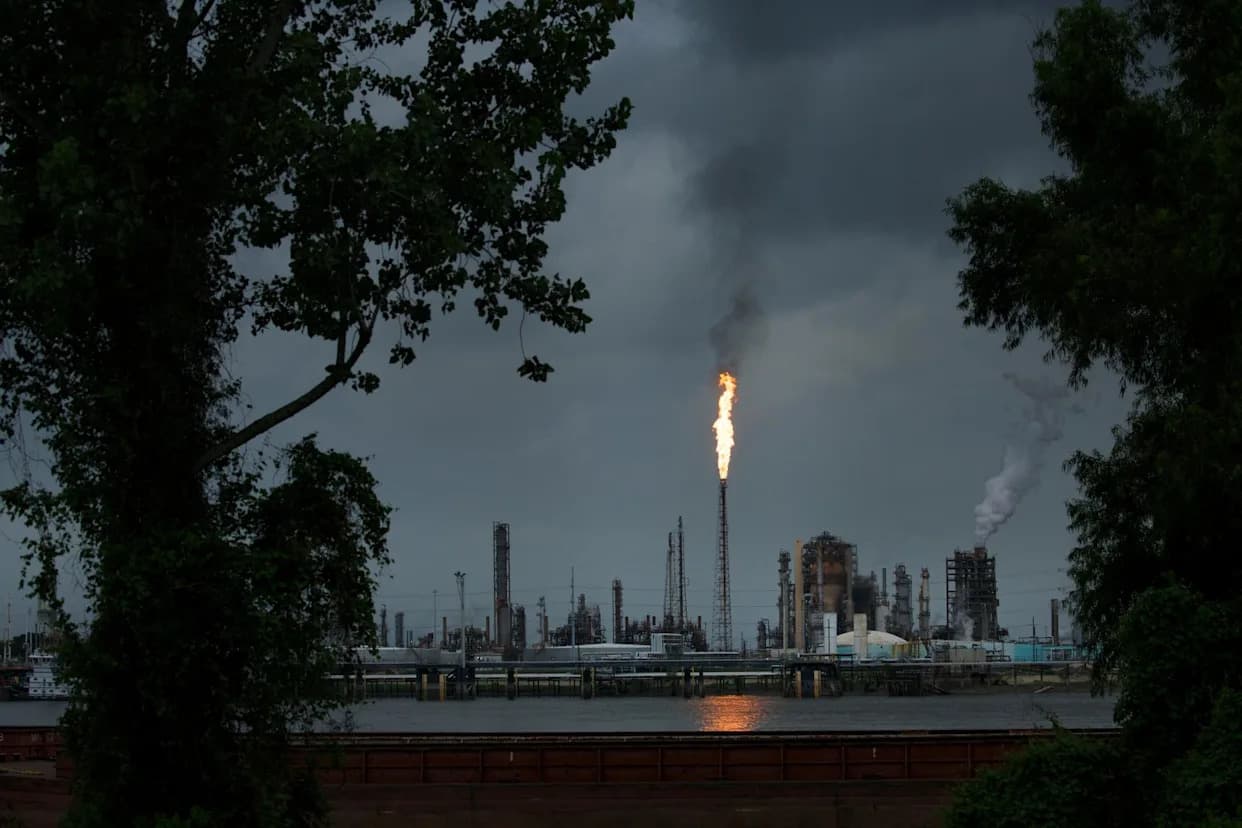
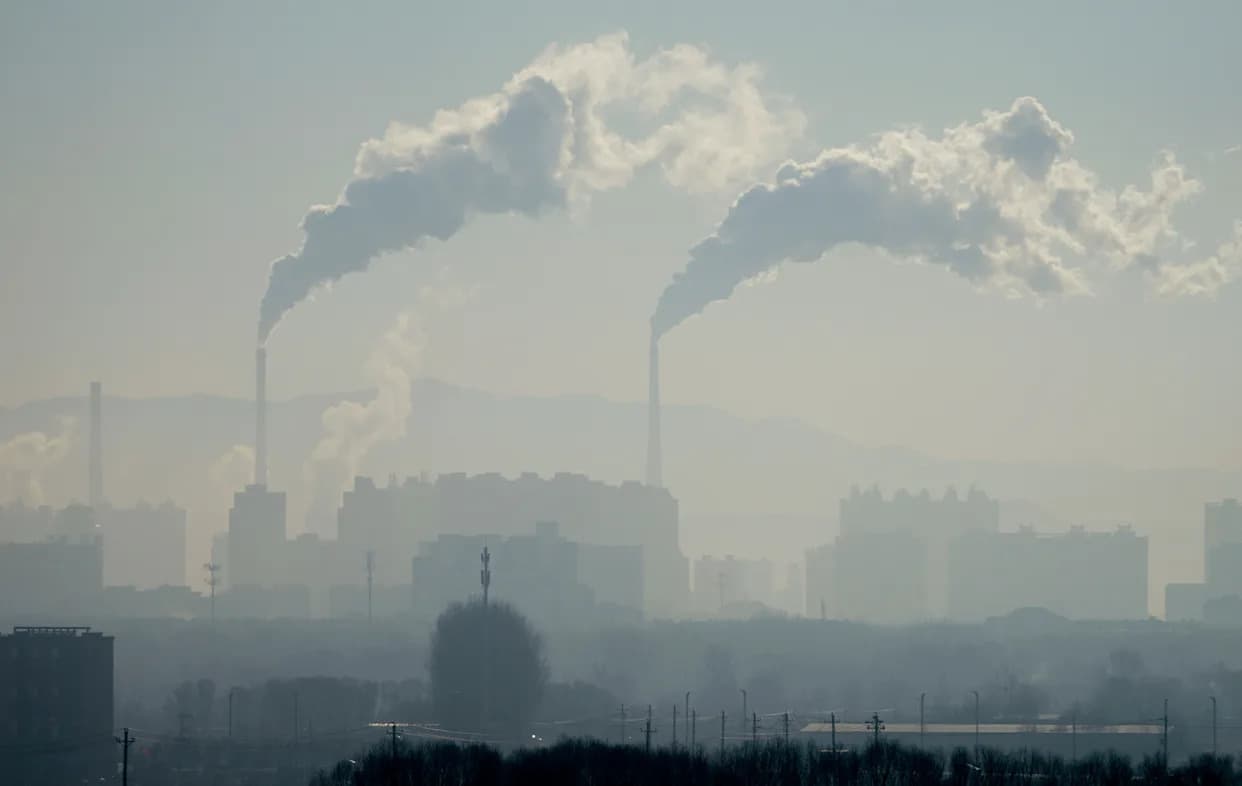
Environmental advocates also highlight the plants’ pollution: high emissions of carbon dioxide, sulfur dioxide and particulate matter, and coal ash ponds that have been shown to leach arsenic, lead, lithium, radium and sulfate into local drinking water and the Great Lakes. Consumers Energy says it had planned Campbell’s closure since 2021 under Michigan’s energy plan and that retiring the plant would save customers about $600 million by 2040.
The Energy Department did not immediately respond to requests for comment on regulator data indicating Campbell was not essential to reliability. With the extension now in place, the dispute is likely to continue through the courts and regulatory proceedings, and the costs will remain spread across households in the MISO footprint unless overturned or modified.
Help us improve.