The Energy Department says emergency orders to keep some coal-fired plants operating helped prevent large-scale blackouts during a two-week winter storm, with officials citing natural gas and coal as the largest sources of peak generation. Critics and clean-energy advocates dispute that account, arguing renewables and storage also reduced outages and warning that prolonged use of coal could cost consumers billions. State utilities and nonprofit plant owners have mounted legal challenges, saying the orders improperly force communities to subsidize uneconomic plants. Supporters counter that the directives averted far higher costs from potential blackouts.
Energy Dept.: Emergency Orders Keeping Coal Plants Online Helped Avert Winter Blackouts, Say Officials
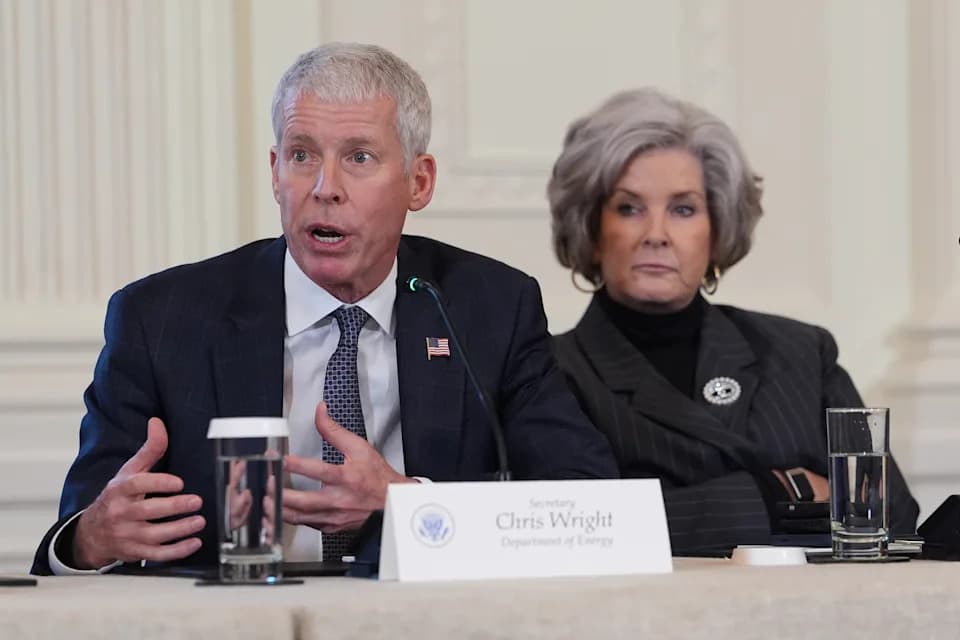
Energy Secretary Chris Wright speaks as White House chief of staff Susie Wiles listens during a meeting with President Donald Trump and oil executives in the East Room of the White House, Friday, Jan. 9, 2026, in Washington. (AP Photo/Evan Vucci)(ASSOCIATED PRESS)
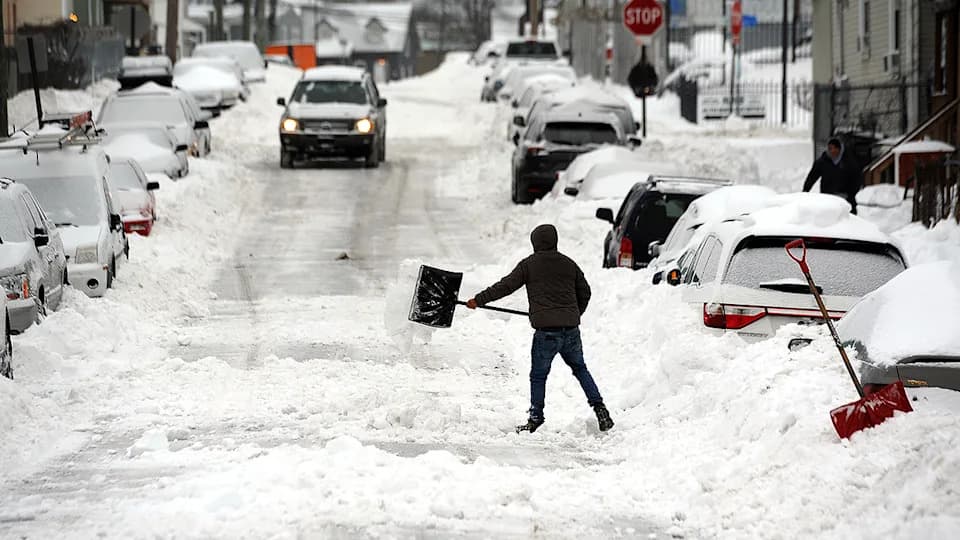
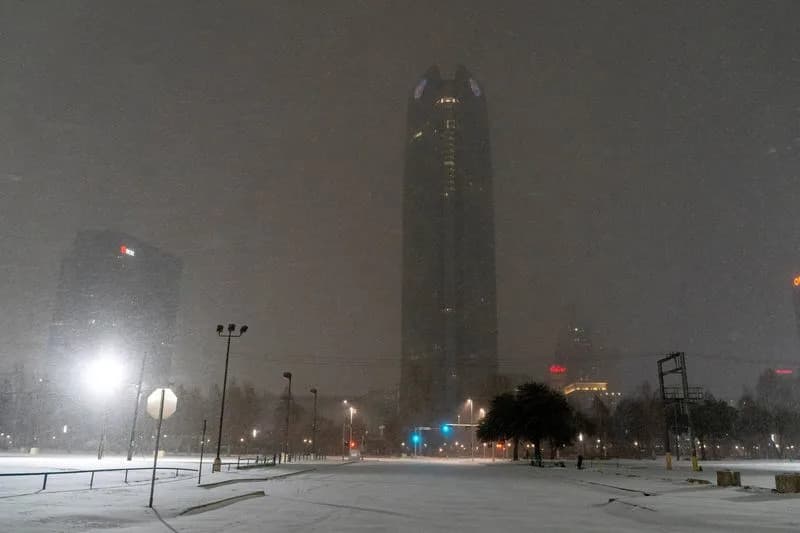
WASHINGTON (AP) — The Energy Department said Friday that emergency orders to keep aging coal-fired plants operating helped prevent widespread blackouts during a two-week winter storm that battered much of the United States.
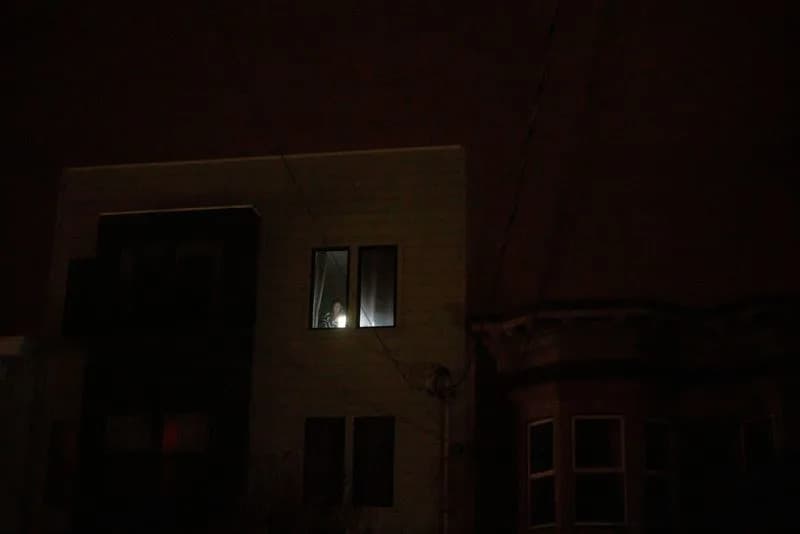
Officials acknowledged scattered outages caused largely by ice that brought down local power lines and left hundreds of thousands of customers without power for short periods. Still, regional power grids largely held together, the department said, with natural gas and coal providing the largest shares of generation at peak demand.

Energy Secretary Chris Wright talks with Josu Jon Imaz, CEO of Repsol, before President Donald Trump speaks during a meeting with oil executives in the East Room of the White House, Friday, Jan. 9, 2026, in Washington. (AP Photo/Evan Vucci)(ASSOCIATED PRESS)
"The big picture story is where we actually got energy from during this storm," Energy Secretary Chris Wright told reporters at an Energy Department briefing. "In fact, we had times where our existing capacity couldn’t deliver anything and the lights would have gone out if not for emergency orders."
Data and Debate
Wright quoted generation figures showing natural gas supplied roughly 43% of power at peak output, coal about 24% and nuclear about 15%, while renewables (wind, solar and hydropower combined) provided about 14%.
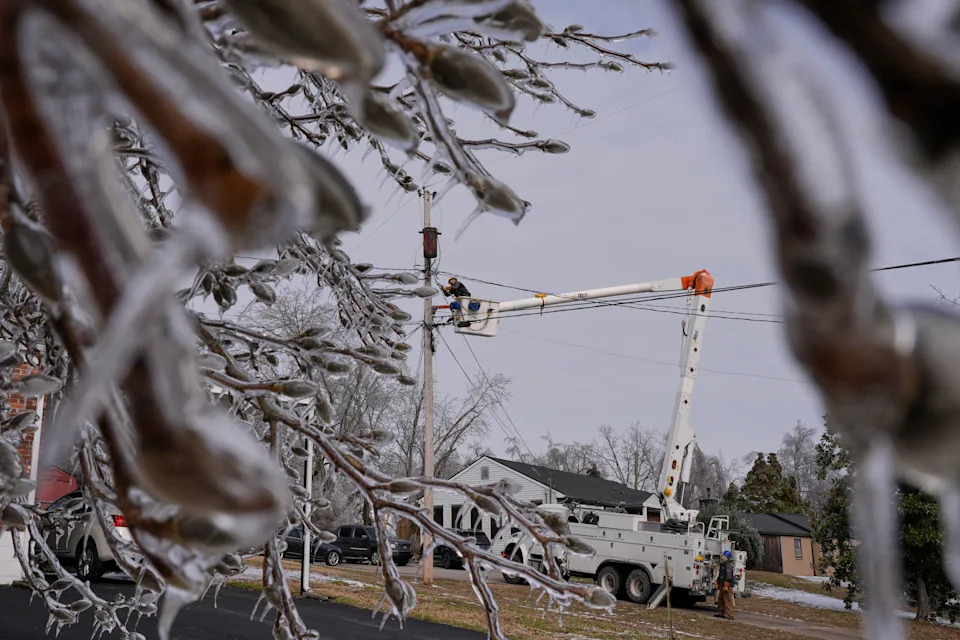
A linesman with the Nashville Electric Service is seen through an ice covered tree as he works to restore power Wednesday, Jan. 28, 2026, in Nashville, Tenn. after a winter storm passed through the area over the weekend. (AP Photo/George Walker IV)(ASSOCIATED PRESS)
"It’s not an all-weather power source," Wright said of solar in some regions, calling its role in certain storm conditions "meaningless." He also said wind generation fell by about 40% during the event.
Deputy Energy Secretary James Danly contrasted the department’s approach with grid performance during the 2021 cold snap, calling the use of emergency authorities a "new way of doing business" to ensure sufficient capacity and avoid major blackouts.
Critics Raise Costs and Legal Questions
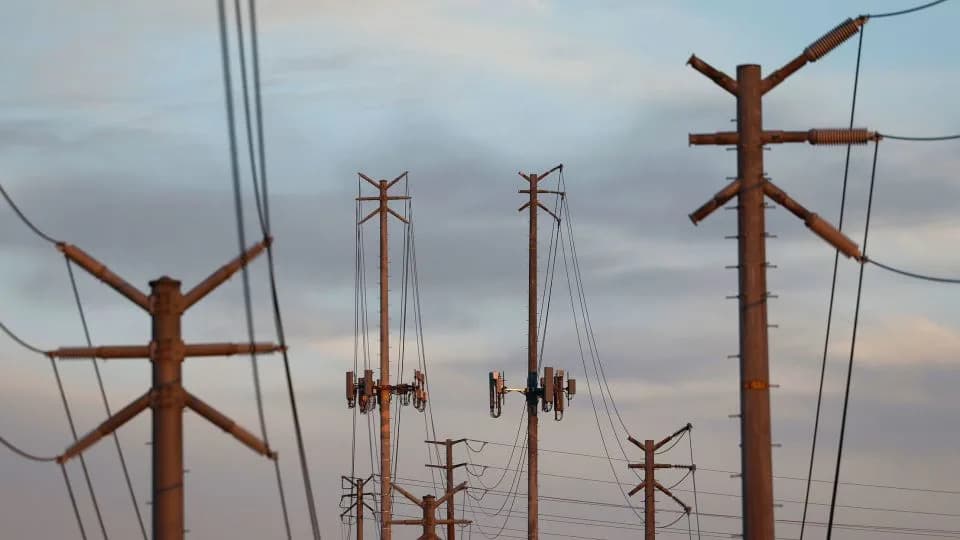
Critics — including state officials, utilities and clean-energy advocates — say the department understates renewables' contributions and overuses emergency orders. Some argue the directives, issued over the past nine months to keep certain oil- and coal-fired plants from retiring, could cost consumers billions of dollars.
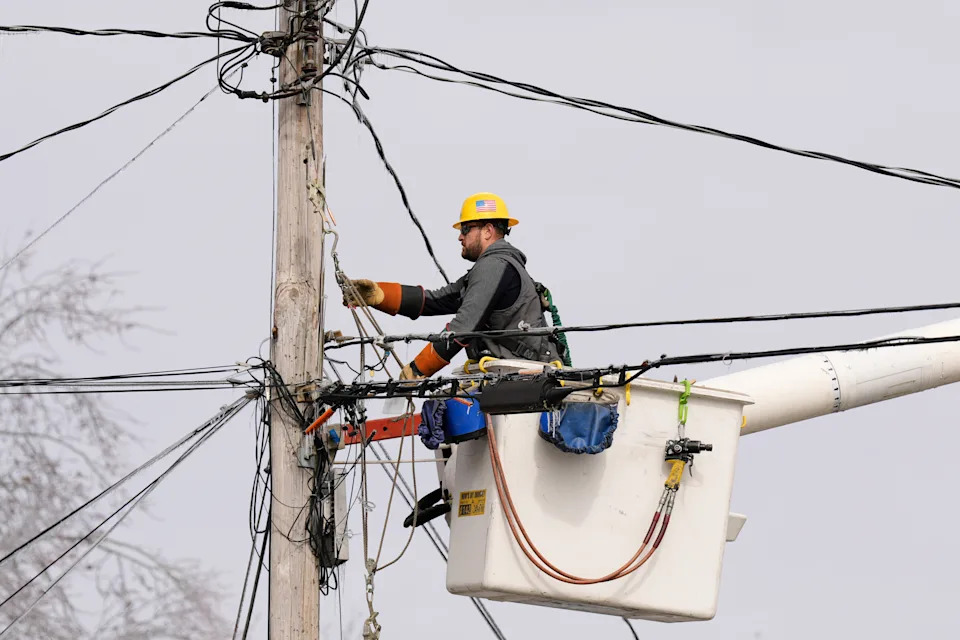
A linesman with the Nashville Electric Service works restore power Wednesday, Jan. 28, 2026, in Nashville, Tenn. after a winter storm passed through the area over the weekend. (AP Photo/George Walker IV)(ASSOCIATED PRESS)
A report from Grid Strategies estimated that preventing scheduled retirements of coal plants over the next three years could cost consumers at least $3 billion a year. Opponents have also launched legal challenges, arguing emergency powers were intended for rare, short-term use.
Nonprofit owners of Colorado’s Craig Generating Station — Tri-State Generation and Transmission Association and Platte River Power Authority — filed a protest seeking to reverse an Energy Department order issued Dec. 30 that kept Unit 1 online one day before its planned shutdown. The nonprofits said the order forced communities to shoulder costs for a costly and unreliable plant and failed to show the order was the best alternative.
Supporters Point To Avoided Blackouts; Renewables Say They Helped Too
Wright and other supporters argued that the orders averted far larger economic and human costs from prolonged outages. Officials said the storm caused nearly 1 million outages at its peak, though most interruptions were brief; about 55,000 customers remained without power as of Friday, with more than 17,000 in Mississippi and roughly 7,000 in Texas, according to poweroutage.us.
Clean-energy groups counter that wind, solar and battery storage also played a key role in limiting outages in many regions. In Texas, for example, wind, solar and storage supplied roughly 25% of the grid’s power — a substantial gain from 2021 — which advocates say was a major factor in avoiding widespread blackouts.
The debate underscores tensions between short-term emergency measures to protect reliability and longer-term policy and market shifts that have reduced the economic viability of some fossil-fuel plants.
Help us improve.