ICMBio has confirmed that the only Spix's macaws released back into Brazil's wild have tested positive for circovirus, an often fatal disease for parrots. About 20 birds were released since 2020, with 11 survivors now infected; roughly 21 of ~90 captive birds also tested positive. Inspectors cited major biosafety lapses at a breeding centre, which was fined 1.8 million reais, and tensions over past sales and breeding practices complicate recovery efforts.
Deadly Circovirus Threatens Last Wild Spix's Macaws Returned to Brazil

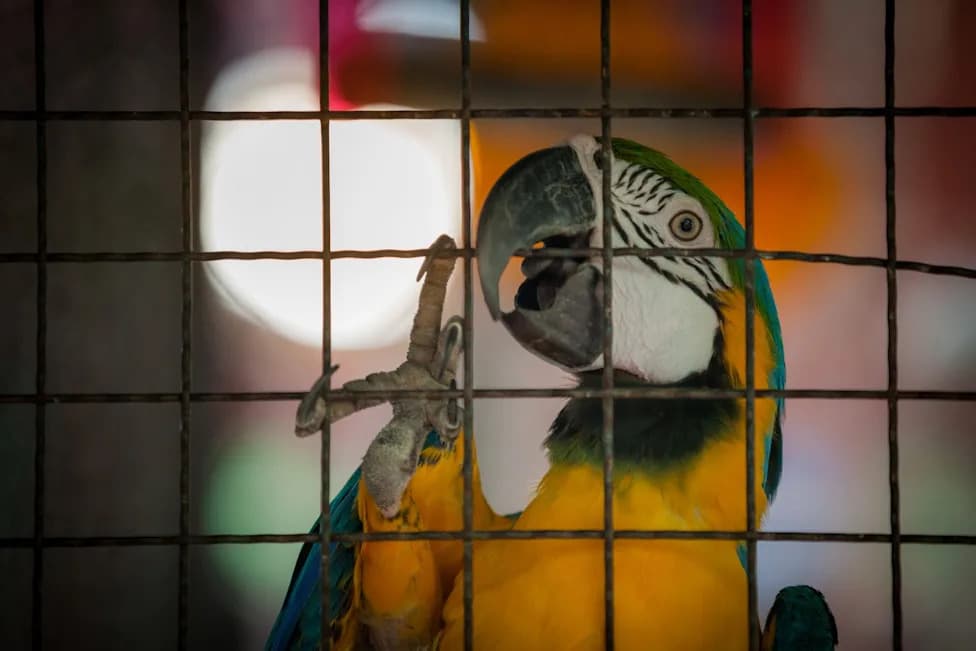
Brazil's environment agency, ICMBio, has confirmed that the only Spix's macaws recently released back into their native habitat have tested positive for circovirus, an incurable disease that often proves fatal to parrots. The diagnosis is a serious setback for efforts to re-establish the rare blue parrot in its semi‑arid northeast Brazil range, nearly 25 years after the species was declared extinct in the wild.
Outbreak, scope and impact
After an initial group of birds arrived from Germany in 2020, roughly 20 Spix's macaws were released and only 11 remain alive in the wild. All surviving wild birds have tested positive for circovirus, the pathogen that causes beak and feather disease in parrots. ICMBio emphasized the virus does not pose a risk to humans.
ICMBio also reported that another 21 birds out of about 90 still held at a breeding facility in Bahia have tested positive. "The disease has no cure and kills the bird in most cases," the agency said, highlighting the peril the outbreak poses to a species with an extremely fragile wild population.
Concerns over breeding practices and enforcement
Inspectors found serious biosafety failures at the BlueSky breeding centre, including bird feeders encrusted with faeces and staff handling birds while wearing flip‑flops, shorts and T‑shirts. As a result, ICMBio fined the centre 1.8 million reais (about $336,000) for failing to implement required sanitary protocols to limit viral spread.
BlueSky had been a partner of the German Association for the Conservation of Threatened Parrots (ACTP), which ICMBio says holds about 75% of the world's registered Spix's macaws. Brazil ended the partnership in 2024 after the German group sold 26 birds to a private zoo in India without Brazil's consent. That episode, along with concerns about illegal trade and private collectors, has long complicated reintroduction efforts.
Responses and next steps
The breeding centre has resisted court-ordered recapture of released birds; a judge ordered recapture in October. BlueSky says parrots in South America may be more resistant to circovirus than birds elsewhere and reported that several individuals have recovered and recently tested negative. The centre also said it has increased sanitation measures, isolated healthy birds and erected barriers to prevent contact between captive and wild parrots.
Conservationists warn the outbreak could erase years of progress to return one of the world's rarest parrots to its natural range. Authorities and partners will face difficult decisions about containment, surveillance, and whether additional recapture and treatment attempts can reduce the risk to the remaining population.
Help us improve.