Summary: The Trump administration is fast-tracking data-center development to bolster U.S. AI leadership by speeding approvals and limiting certain state rules. Experts and federal reports warn the surge could strain the electric grid, raise electricity prices and increase emissions—especially by prompting new natural-gas plants—while environmentalists flag local pollution risks from diesel backup generators. Supporters say steady demand could help scale low-carbon technologies like nuclear, creating a complex trade-off for policymakers.
Trump Administration’s Data Center Push Sparks Energy and Environmental Alarm
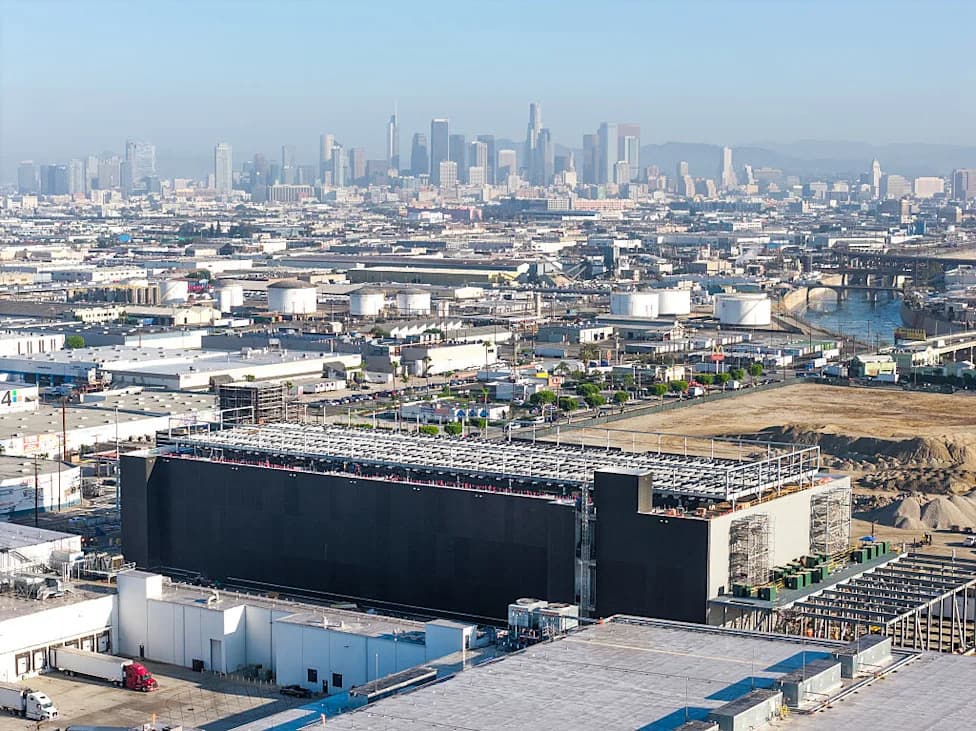
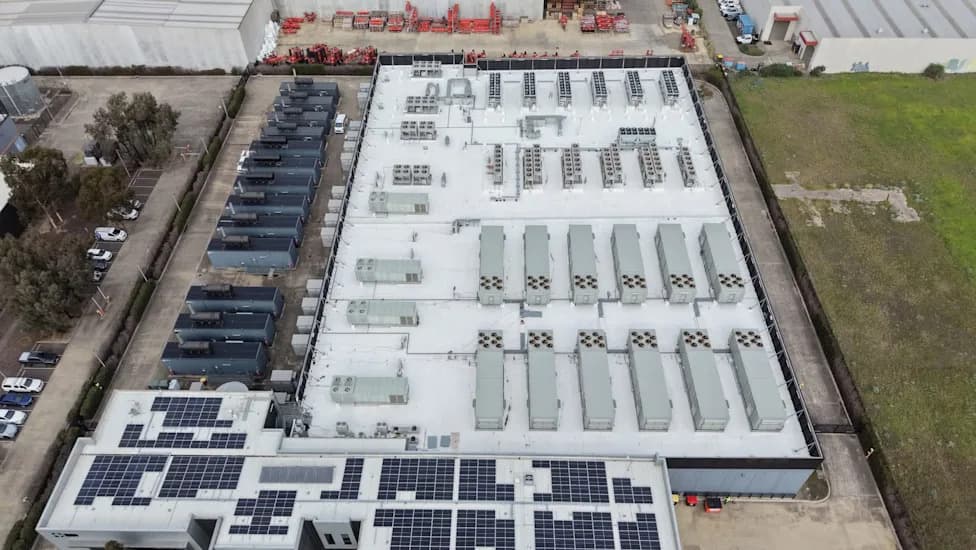
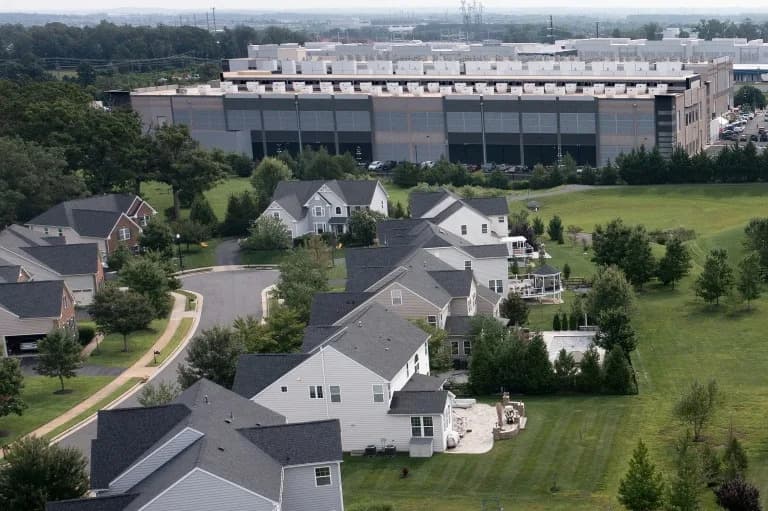
The Trump administration is accelerating construction of large data centers — facilities that power cloud services and artificial intelligence — prompting debate over electricity costs, grid reliability and environmental impacts.
Administration goals and policy moves
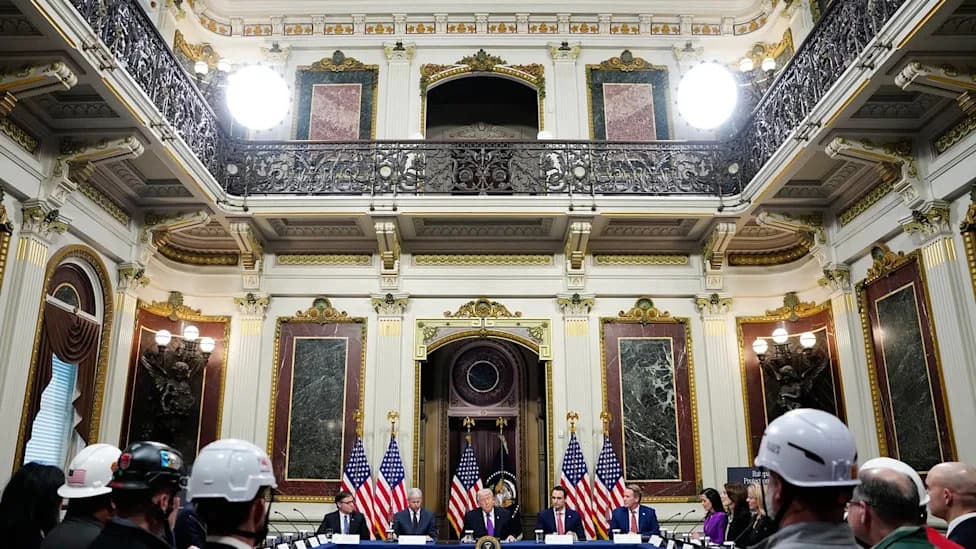
White House officials say expanding data-center capacity is essential for the United States to win the global "AI race" and to outcompete rivals such as China. Recent proposals include a new initiative to broaden AI use in scientific research and consideration of measures to limit state-level AI regulations. Earlier this year the administration also floated proposals to streamline approvals for data centers and related energy projects and to shield some centers from certain environmental reviews as part of its AI policy framework.
How data centers could affect the grid and prices
Support for a data-center build-out spans both parties, though Democrats are likelier to favor stricter limits. Experts warn that the rapid growth of AI workloads and data centers could have major implications for the electric grid.
"Utilities are expecting a lot of this load to land around 2030," said Ben Hertz-Shargel, who leads electric-grid research at Wood Mackenzie. "That is the period when the reliability uncertainty will come to a head, and that’s when things will get tighter. So I think it’s that time frame … of three to five years from now that we’re looking at to start seeing the material cost and potentially reliability impacts of AI demand."
Retail electricity prices are already elevated: in September, prices were about 5.1 percent higher than a year earlier, outpacing general inflation near 3 percent. Hertz-Shargel noted that current pressures also reflect an aging grid and storm damage from extreme weather.
Federal agencies are warning of future risks. A July Energy Department report said increasing power demand, including from AI, raises risks of blackouts. The Energy Information Administration has forecast record electricity use in 2025 and 2026 and said commercial-sector gains will be driven "largely by more demand from data centers." Grid Strategies projects electricity demand could grow substantially by 2030, with roughly 55 percent of the increase attributable to data centers.
Costs, emissions and the fuel mix
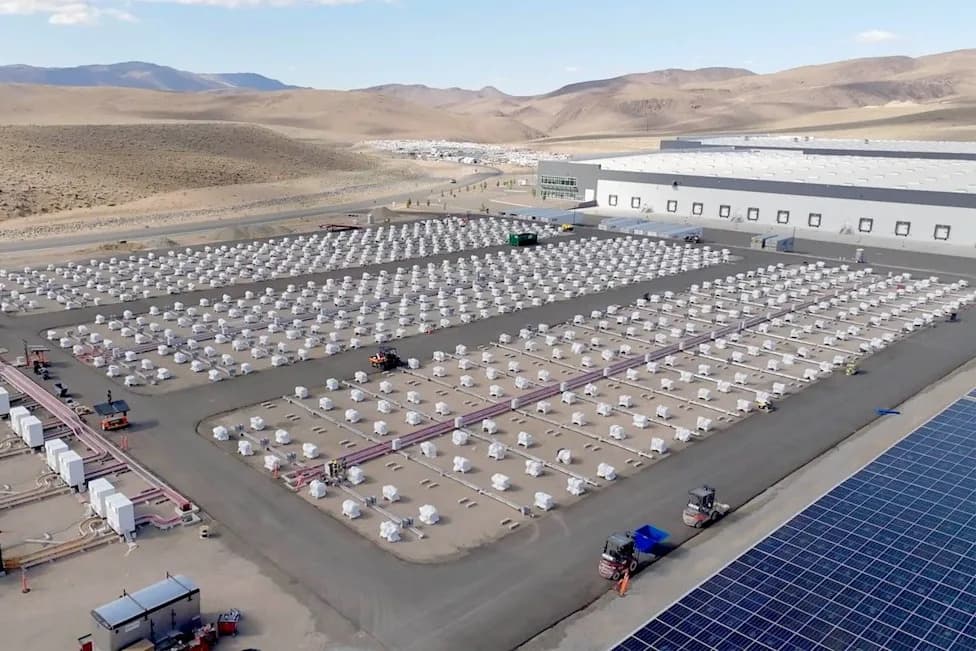
The White House argues that data-center investments will spur transmission and generation build-out that ultimately increase supply and lower prices over time. Hertz-Shargel said that can be true in "limited situations" when data centers draw power at times that smooth grid utilization and improve asset utilization. But he warned that at the planned scale, utilities will need far larger, newer and more expensive infrastructure — including additional gas-fired plants — and those costs will push up both the commodity price of electricity and the infrastructure costs ratepayers must cover.
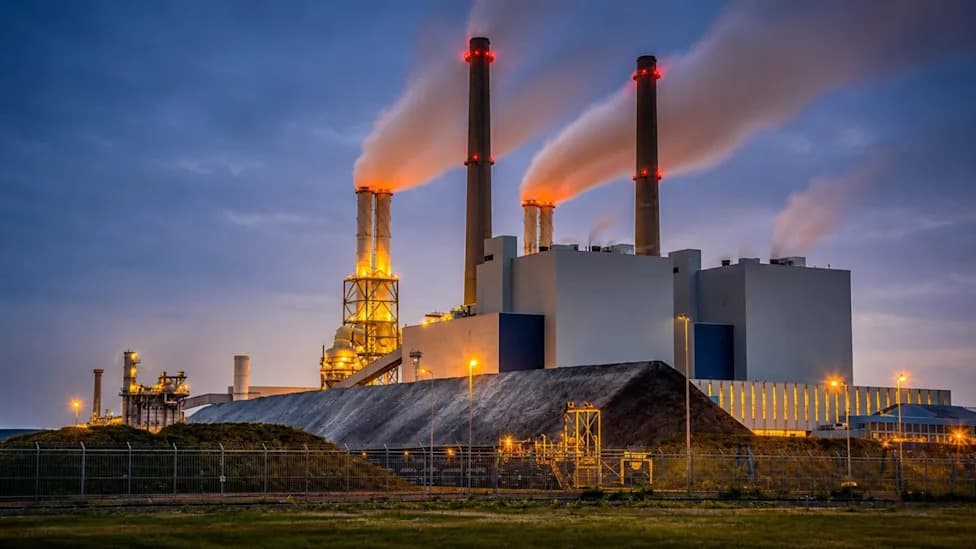
Higher demand is likely to keep fossil fuels, particularly natural gas and some coal, on the grid longer. Increased gas demand is expected to spur more investment in production and pipeline capacity. "It looks like we have a setback in our climate and decarbonization trajectory here, as we build a lot of new gas plants and some pipeline capacity and drill more," said Rob Gramlich, founder and president of Grid Strategies LLC. "It looks like our emissions are going to go up for a while and old coal plants are being retained on the system."
Hertz-Shargel added that some natural-gas turbine manufacturers have committed to boosting production to meet expected demand, reinforcing the risk of greater fossil-fuel reliance if data-center growth follows current projections.
Potential benefits and local pollution concerns
Proponents argue that steady, large-scale demand from data centers could help bring down costs for low-carbon technologies by providing predictable market demand. "For nuclear to become a really important energy source and help to address climate, it has to scale up, and in order to scale up, it has to get the first reactors built and then start building an order book quickly," said Robin Gaster, research director at the Information Technology and Innovation Foundation's Center for Clean Energy Innovation. "Data centers can provide the demand that will get nuclear over the hump." (The foundation has received donations from tech companies and others.)
Environmental advocates highlight immediate local-air-quality risks. Some data centers rely on diesel-powered backup generators that emit soot particulates, mercury and sulfur dioxide. "For these diesel backup generators, it’s very high emissions for soot particulates and sometimes even mercury [and] sulfur dioxide," said Jeremy Fisher, a principal adviser for climate and energy at the Sierra Club. He warned that particulate soot can trigger premature death, heart attacks and asthma, mercury is a neurotoxin, and sulfur dioxide damages the respiratory system. Fisher added that no other industry matches data centers in the amount of on-site backup generation they require, making this a pronounced local pollution issue.
What’s next
The debate highlights a difficult trade-off: accelerating AI and data capacity could strengthen U.S. technological leadership and create market incentives for low-carbon options, but it may also raise electricity prices, strain reliability and increase emissions in the near term unless paired with clear policies to expand clean generation, grid resilience and controls on local pollution. Policymakers, utilities and developers will need to weigh siting, timing, emissions controls and grid investments to manage these risks.
Julia Shapero contributed reporting.
Help us improve.