The resurgence of great-power rivalry has returned nuclear weapons to the center of global politics, testing U.S. power and alliances. China has rapidly expanded and diversified its military and nuclear forces, doubling its stockpile in recent years and on pace to match U.S. deployed warheads by the mid-2030s. Russia is modernizing with novel systems meant to evade defenses, while arms-control frameworks fray and regional flashpoints heighten escalation risks. Washington must modernize forces, reassure allies, pursue strategic dialogue, and establish risk-reduction norms for AI, hypersonics and cyber to prevent an unconstrained arms race.
Nuclear Arms Race Returns — Testing U.S. Power and Global Stability

One of the least-noted yet most consequential effects of renewed great-power competition is the return of nuclear weapons to the center of international politics. What many once expected to ebb after the Cold War is instead surging, and this revival arrives as Washington confronts a far more fragmented and complex strategic environment than at almost any point since nuclear weapons first emerged.
The challenge is not only growing arsenals but the erosion of the geopolitical and technical guardrails that once reduced nuclear risk. Advances in non-nuclear strategic technologies — including precision conventional strike systems, cyber operations, anti-satellite weapons and layered missile defenses — are encouraging nuclear-armed states to harden, diversify and expand their forces to preserve survivable second-strike options. At the same time, regional flashpoints from Ukraine to the Taiwan Strait and the Korean Peninsula raise the danger of escalation through miscalculation or coercion.
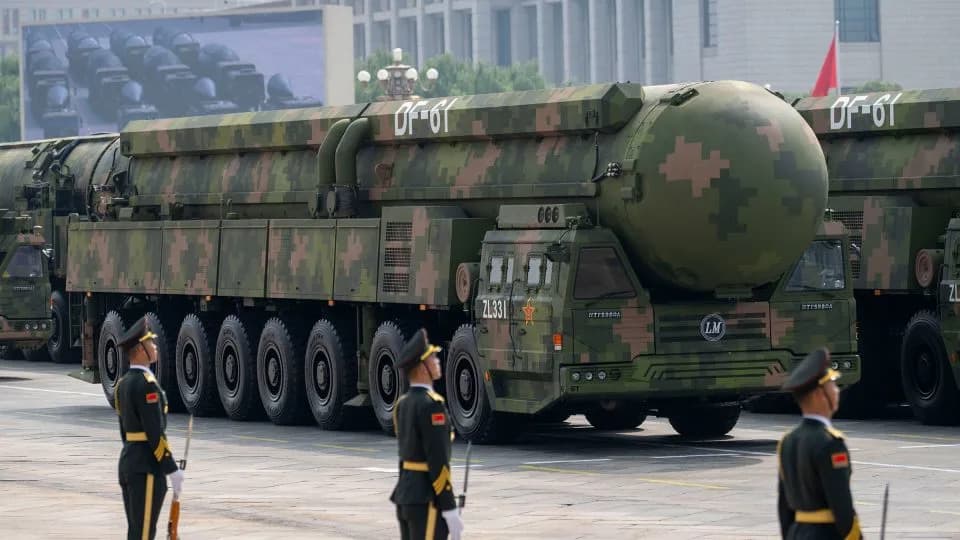
China’s peacetime military expansion is unprecedented in scale. Its naval production now outpaces historic benchmarks, and its nuclear stockpile has more than doubled in roughly five years. If current trends continue, Beijing could field as many deployed warheads as the United States by the mid-2030s. More than adding numbers, China is diversifying delivery systems to create additional coercive options and escalation pathways — moves that have weakened the perceived credibility of its long-standing "no first use" pledge.
Framed domestically as defensive, Beijing’s buildup also enhances its ability to press territorial and strategic claims across the South and East China Seas and along disputed Himalayan borders, with profound implications for U.S. extended deterrence in the Indo-Pacific.
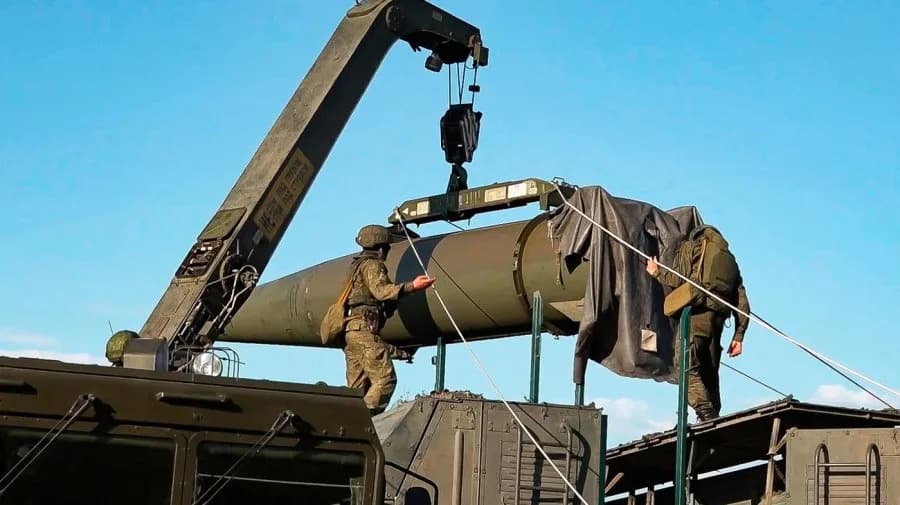
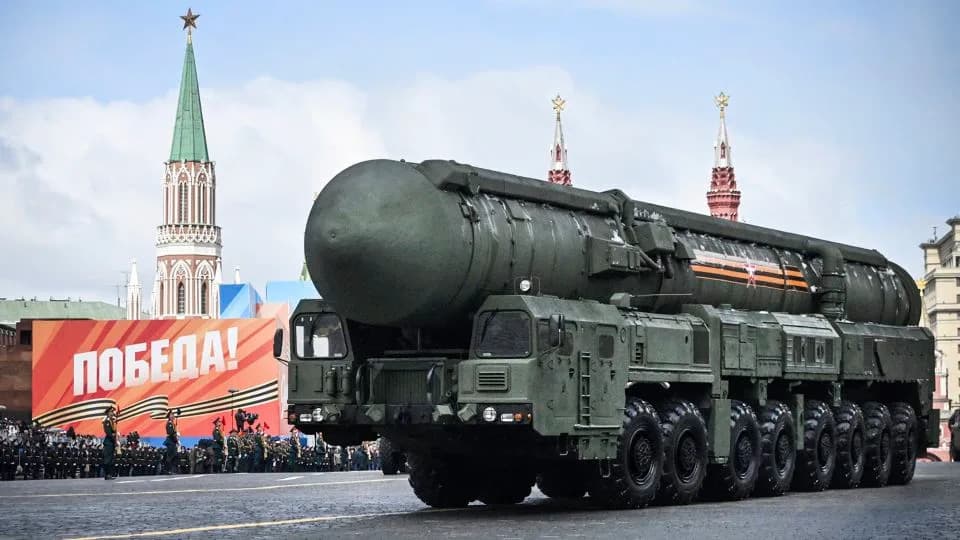
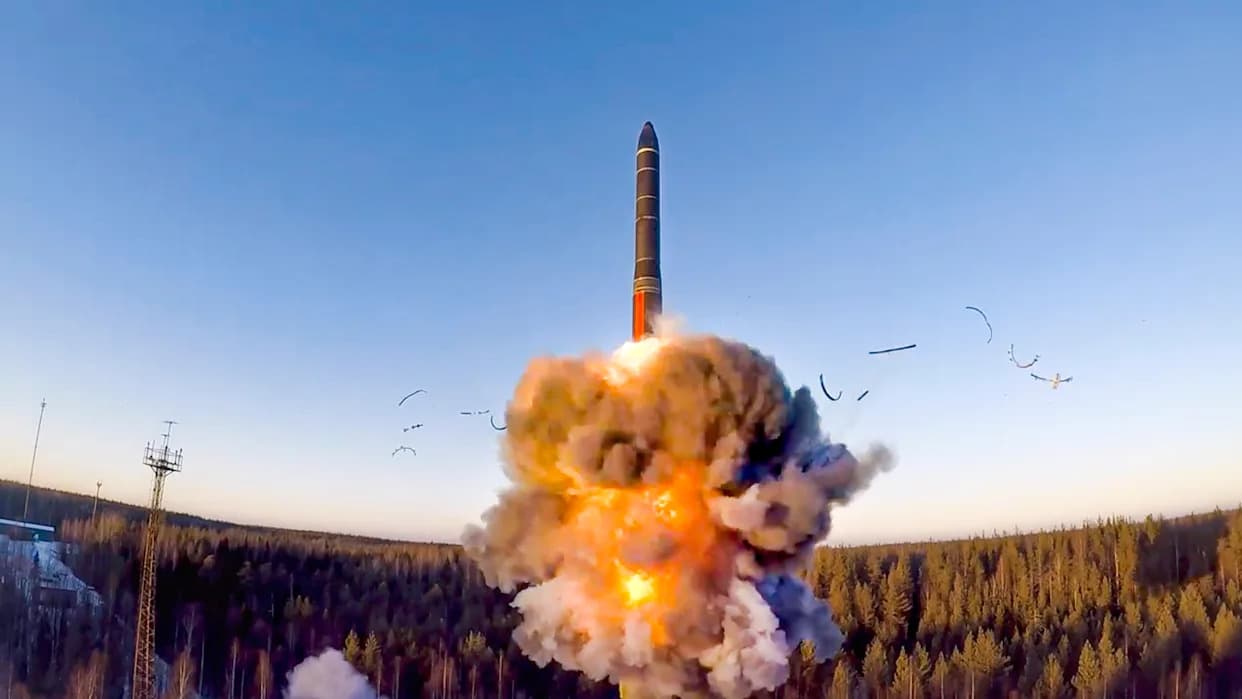
Russia, meanwhile, has leaned heavily on nuclear forces as a central instrument of great-power status amid economic pressures. Its modernization programs include novel systems such as the nuclear-powered Burevestnik cruise missile and the Poseidon nuclear-capable underwater drone, technologies intended to complicate or evade missile defenses. The war in Ukraine has visibly increased the role and coercive utility of nuclear capabilities in Russian strategy.
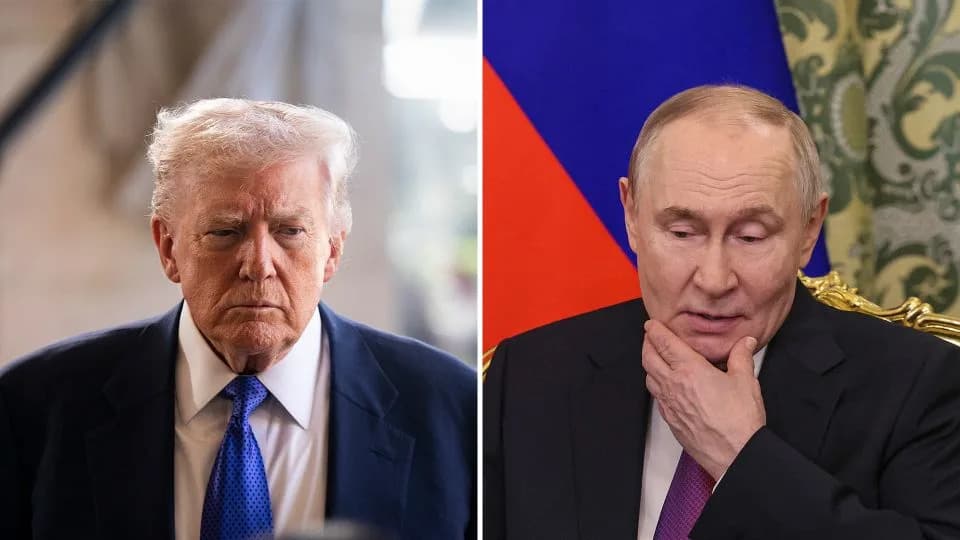
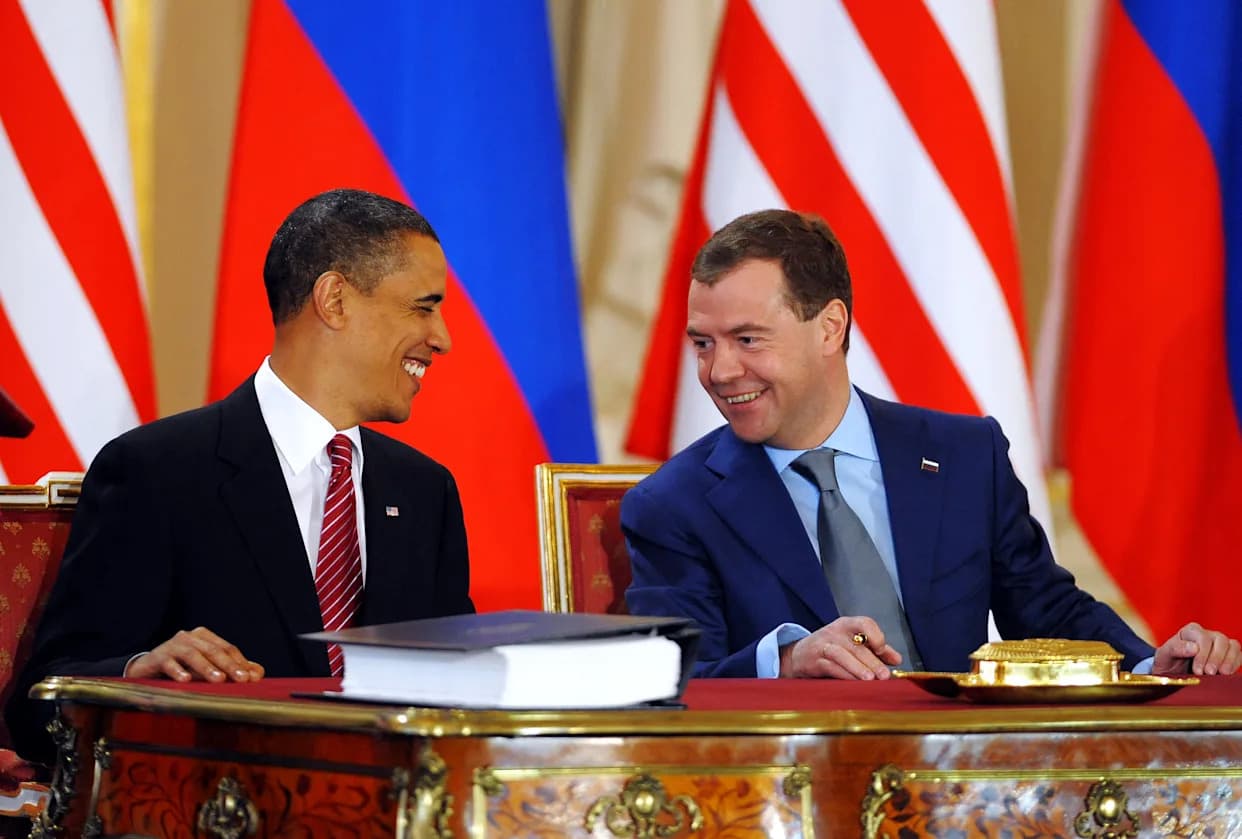
The combined expansions of China and Russia create a new strategic geometry for the United States: deterring two peer or near-peer nuclear rivals simultaneously. During the Cold War, U.S. strategy could focus largely on one adversary; today the strategic picture is tripolar and far more complex. That complexity is compounded by the fraying arms-control architecture. Key agreements have been weakened or suspended, and China has declined to join negotiations that would cap its rapidly growing arsenal, producing a slide toward a less constrained arms race.
These shifts reverberate across American alliances. Allies that rely on the U.S. nuclear umbrella — notably Japan, South Korea, Australia and NATO’s eastern members — are increasingly uncertain about Washington’s willingness to risk escalation to defend them. Growing doubts about U.S. credibility raise the risk that some states with advanced fuel-cycle capabilities might seek independent deterrents, placing additional strain on the Nuclear Non‑Proliferation Treaty and global nonproliferation norms. Recent strikes on suspected nuclear sites in the Middle East may also deepen incentives for clandestine programs elsewhere.
The United States faces a stark set of choices: modernize and secure its nuclear forces, reassure allies and partners, deter multiple nuclear peers simultaneously, and rebuild lines of strategic communication — all while avoiding an open-ended, ruinous arms race. These pressures could tempt greater reliance on nuclear capabilities to offset shrinking conventional options in multiple theaters, which in turn risks reinforcing the very dynamics that have elevated nuclear roles for Russia and China.
Risk-reduction measures are therefore essential. The international community needs updated norms and practical measures for emerging technologies that can compress decision time or introduce new uncertainties into nuclear command, control and communications — particularly artificial intelligence, hypersonic delivery systems and dual‑use cyber capabilities. Ensuring that authority to use nuclear weapons remains firmly under human control is increasingly a strategic imperative, not only an ethical one.
Policy priorities should include: transparent risk-reduction dialogues with nuclear-armed states, renewed arms-control negotiations where feasible, stronger extended-deterrence guarantees to allies, and multilateral norms and technical safeguards around AI, hypersonics and cyber operations that affect nuclear stability.
Author: Brahma Chellaney, geostrategist and author of nine books, including the award-winning "Water: Asia’s New Battleground."
Help us improve.