The discovery of fossil footprints at Nebraska's Ashfall Fossil Beds shows large, bone‑crushing canids visited the site after a massive Yellowstone eruption about 12 million years ago. Tracks up to 3.2 inches (8 cm) long match extinct predators such as Aelurodon and Epicyon and lie above layers of entombed Teleoceras rhinos, implying post‑eruption arrival. The impressions appear in multiple ash layers and suggest repeated visits, likely scavenging buried carcasses. Findings were presented at the 2025 Society of Vertebrate Paleontology meeting but await peer review.
Bone‑Crushing Canids Haunted 'Rhino Pompeii' After Yellowstone Supereruption, Fossil Footprints Reveal

Fossilized footprints discovered at Nebraska's Ashfall Fossil Beds indicate that large, bone‑crushing canids prowled the ash‑choked landscape after a catastrophic Yellowstone eruption roughly 12 million years ago.
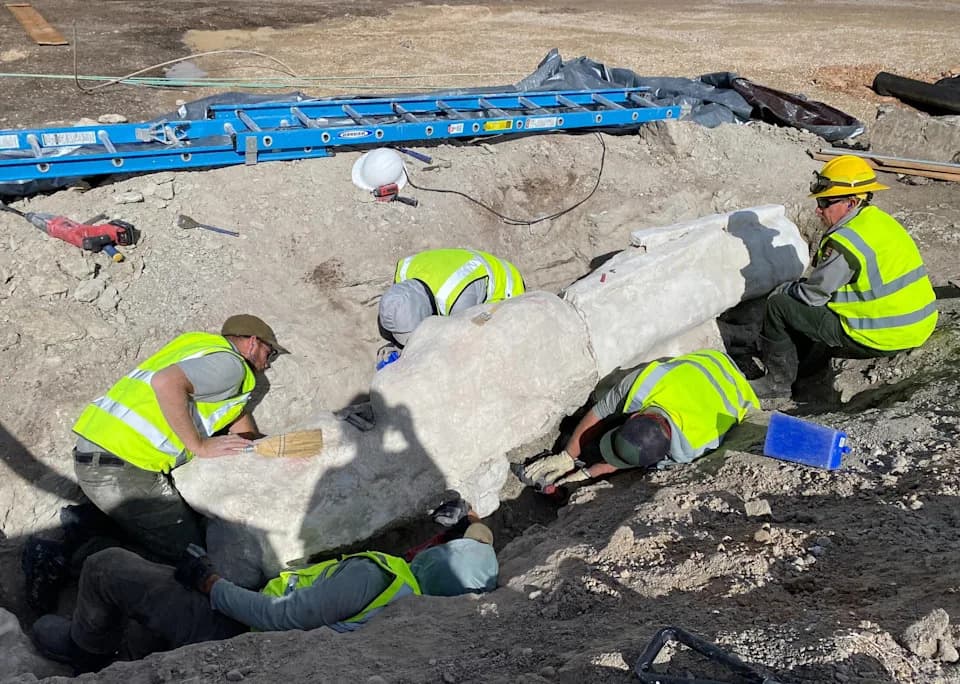
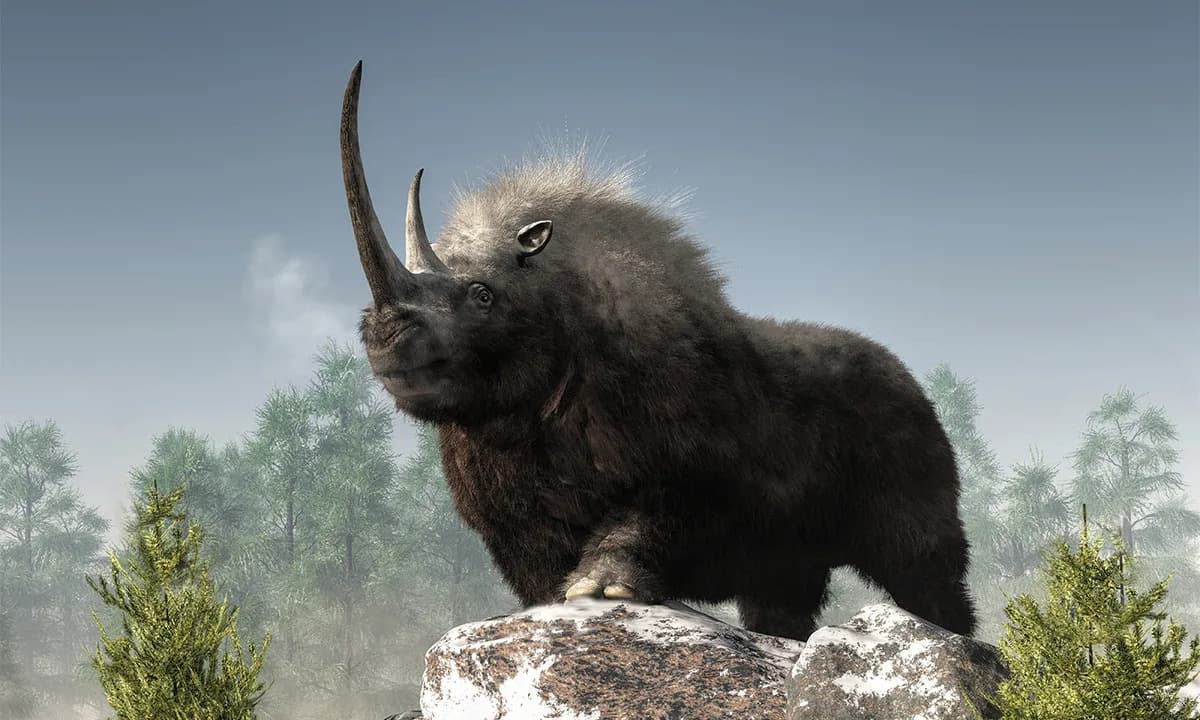
Researchers uncovered the tracks in layers above the massed skeletons of the extinct rhinoceros Teleoceras at the site nicknamed 'Rhino Pompeii.' The position of the prints suggests these predators arrived after the animals were entombed in fine, glassy volcanic ash — a signature of a distant but massive eruption that blanketed much of the region.
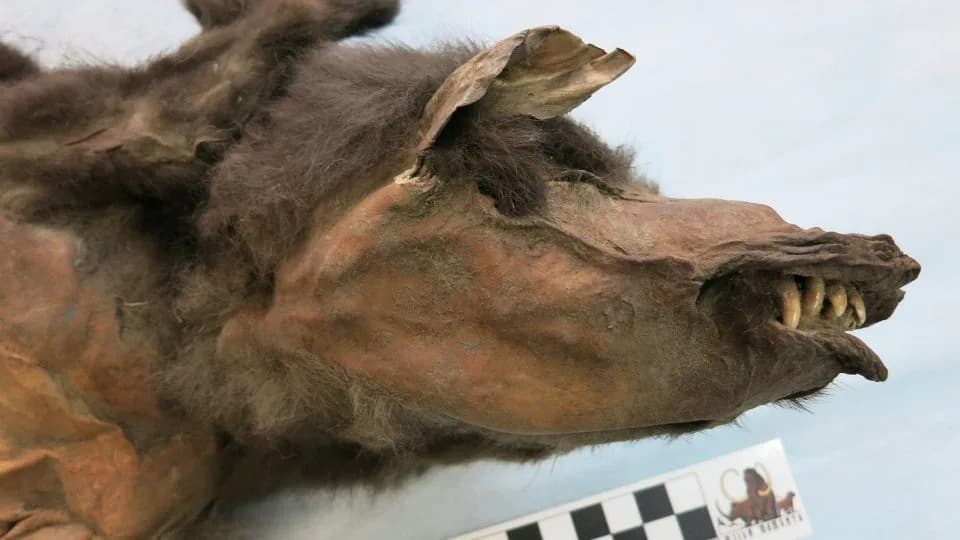
The newly identified impressions measure up to 3.2 inches (8 cm) long and about 3 inches (7.5 cm) wide. Those dimensions and proportions match large extinct canids such as Aelurodon taxoides and Epicyon saevus — formidable predators known for powerful jaws capable of crushing bone, a feeding style similar to modern hyenas.
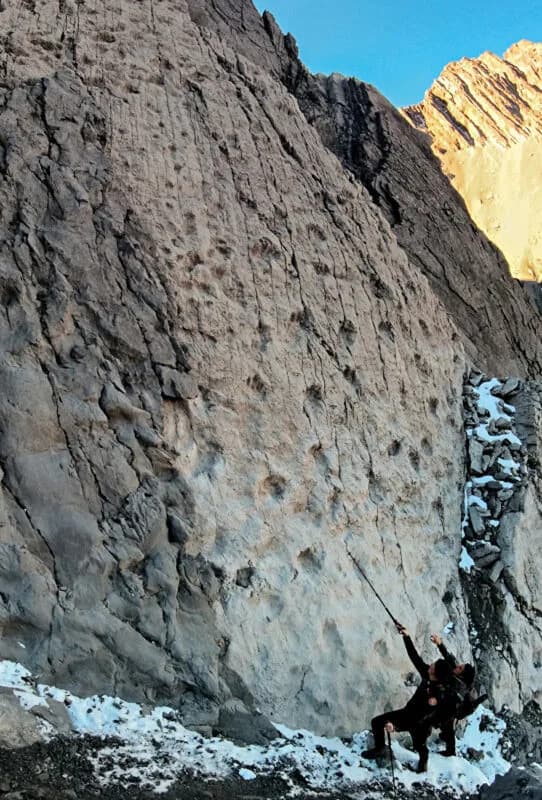
Importantly, the tracks appear in multiple ash layers and point in different directions, a pattern the research team interprets as evidence that these animals made repeated or extended visits to the site rather than passing through once. The most conspicuous trackways were exposed in 2014 and 2023, and park visitors today can still see some of the preserved impressions.
What the tracks reveal
Because the footprints occur above the rhino skeletons, they imply the canids arrived after the initial mass‑mortality event. One plausible explanation is scavenging: buried carcasses may have served as temporary food caches for resilient predators navigating an ash‑suffocated landscape.
'The eruption was so massive that ash would have fallen like snow 1,000 miles from the eruption site,' said Ashley Poust, curator of vertebrate paleontology at the University of Nebraska State Museum. 'This would have darkened skies, buried plant life and water sources, and been a real hazard to anything with a delicate respiratory system.'
The Ashfall site preserves a former seasonal lake and shoreline teeming with life, from turtles to five species of three‑toed horses, camels and short‑legged rhinos. The environment likely resembled a modern African watering hole, drawing diverse herbivores — and the carnivores that followed them.
The researchers presented these preliminary findings at the 2025 meeting of the Society of Vertebrate Paleontology in Birmingham, England. The work has not yet been peer‑reviewed: the team continues analyses and plans to submit a formal description to a scientific journal. Meanwhile, they have laser‑scanned the tracks in public view and listed Epicyon among the Ashfall fauna on the museum's site.
Because no canid bones have yet been recovered from the Ashfall deposits, some uncertainty remains about how long these predators persisted and whether scavenging was sufficient for their survival or whether they later moved elsewhere across the devastated region. Nevertheless, the footprints provide the first direct evidence that large carnivores visited and used the fallout‑covered site in the aftermath of a major ecological collapse.
Help us improve.