The Interior Department will charge foreign visitors $100 per person at major national parks starting Jan. 1 and raise the non‑resident annual pass to $250 while keeping the U.S. pass at $80. Supporters say the fee will raise crucial funds for trail, bridge and infrastructure repairs—PERC estimates $55 million annually for Yellowstone and more than $1 billion nationwide if extended. Local business owners and park advocates warn the surcharge could deter international tourists, harm tourism-dependent towns and increase strain on reduced park staff. Lawmakers have proposed legislation to formalize the surcharge, and the Interior Department will start tracking international visitor data in January.
New $100 Surcharge for Foreign Visitors to Major U.S. National Parks Sparks Debate

The Interior Department will impose a $100 per-person surcharge on foreign visitors to several of the nation's most popular national parks beginning Jan. 1. The policy also raises the annual parks pass for non-U.S. residents to $250 per vehicle while keeping the U.S. resident annual pass at $80.
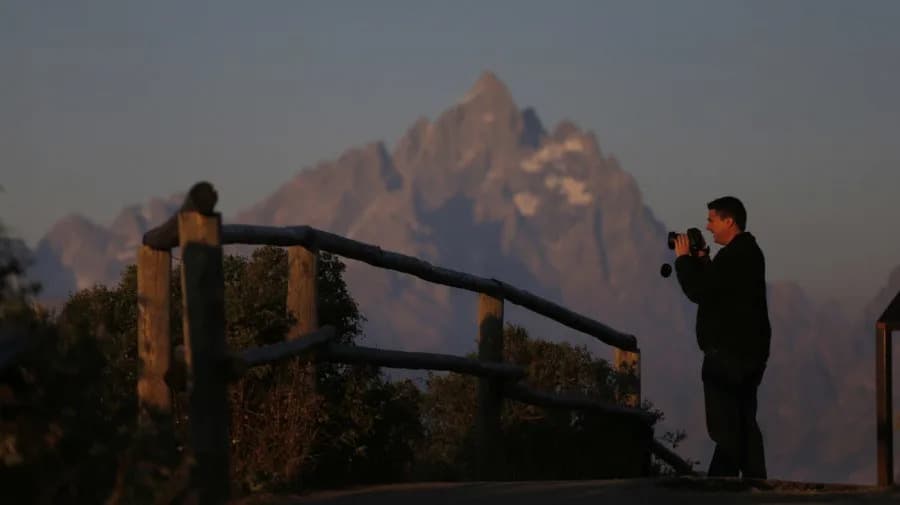
The surcharge was announced by Interior Secretary Doug Burgum and applies to high-traffic sites including Yellowstone, Grand Canyon, Yosemite, Zion, Glacier, Rocky Mountain, Grand Teton, Sequoia & Kings Canyon, Acadia, Bryce Canyon and the Everglades.
Supporters: needed revenue for worn infrastructure
Proponents say the fee will deliver much-needed funding for maintenance. Brian Yablonski of the Property and Environment Research Center (PERC) estimated the $100 charge could generate about $55 million annually for Yellowstone and suggested that, if extended nationwide, a similar surcharge might produce more than $1 billion a year from roughly 14 million international visitors. PERC's analysis predicts only about a 1% drop in visitor numbers in response to the higher price.
Local businesses and tour operators worry about lost visitors
Tourism-dependent businesses and operators are concerned the surcharge will deter international travelers and harm local economies. Mark Howser, owner of the Whistling Swan Motel near Glacier National Park, said roughly 15% of his guests are from abroad and predicted the additional cost would discourage many of them.
“It’s a sure‑fire way of discouraging people from visiting Glacier,” Howser said. “It’s going to hurt local businesses that cater to foreign travelers.”
Bryan Batchelder of Let’s Go Adventure Tours and Transportation said foreign tourists constitute about 30% of his customers and described the charge as “a pretty big hike.” He said next summer will reveal whether international visitors continue to include national parks in their U.S. itineraries.
Critics: accessibility and staffing concerns
Park advocates and some former and current employees sharply criticized the surcharge. Emily Thompson, executive director of the Coalition to Protect America’s National Parks, warned the move comes as park staffing has fallen and could add strain to already overworked employees.
“National parks should be available and accessible to all, or America’s best idea will become America’s greatest shakedown,” Thompson said.
Gerry Seavo James of the Sierra Club’s Outdoors for All campaign accused the administration of undermining the Park Service through budget cuts and staff reductions, arguing that gate fees alone will not address long-term funding and access issues.
Policy context and next steps
Interior Department spokesperson Elizabeth Peace said the agency has not previously tracked international visitor data but will begin collecting such information in January. Republican lawmakers Representative Riley Moore (WV) and Representative Ryan Zinke (MT) have introduced legislation to codify the surcharge.
The debate centers on balancing reliable funding for maintenance and conservation with the potential economic consequences for gateway communities and the principle of open access to public lands.
Help us improve.