The murder of a Bedouin couple near Homs, accompanied by sectarian graffiti, raised the risk of renewed communal violence. Rapid deployment of security forces, tribal mediation and a curfew helped prevent widespread clashes; about 120 people were arrested and the curfew was lifted within days. Protests and counterprotests took place across Alawite‑majority coastal areas, underscoring persistent fears among minorities. Observers warn that unchecked weapons and armed militias leave the risk of further violence unresolved.
Homs Murders Test Syria’s Fragile Peace as Tensions Flare on Alawite Coast

The discovery of a murdered Bedouin couple just south of Homs — with sectarian slogans scrawled on nearby walls — threatened to ignite renewed communal violence and exposed how fragile Syria’s post‑Assad transition remains.
Rapid response calms immediate threat
Security forces from the interior and defence ministries were deployed quickly to Homs. Working with some tribal leaders, the authorities imposed a curfew, arrested roughly 120 people they said were involved in the unrest, and helped prevent clashes from escalating into wider sectarian violence. The curfew was lifted by Tuesday morning, and officials reported no confirmed fatalities, though several monitoring groups noted dozens of injuries during the unrest.
Protests and counterprotests along the coast
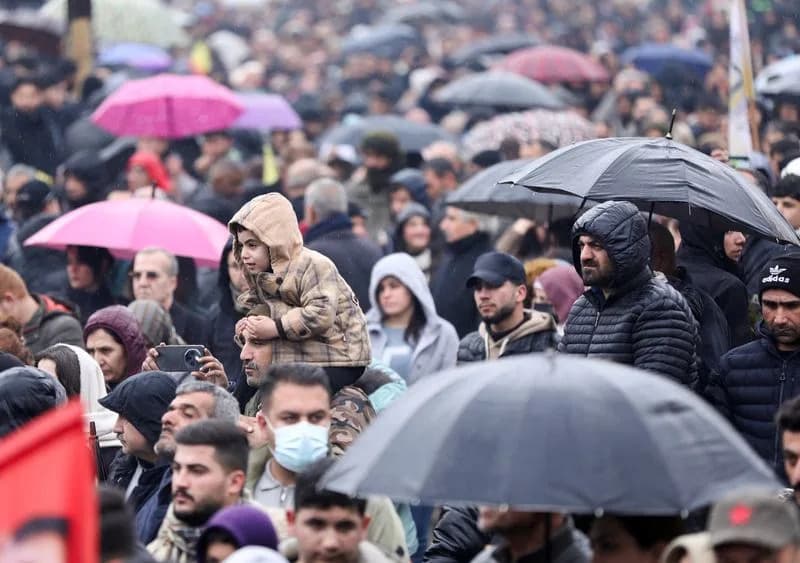
The killings sparked large demonstrations in predominantly Alawite areas along the coast, including Latakia and Tartous. Local outlets and eyewitnesses described sit‑ins and rallies in multiple towns, where protesters demanded safety, accountability and the release of detained community members. Pro‑government counterprotests also took place, and authorities reported incidents of gunfire while investigating the origins of the clashes.
Government narrative and remaining doubts
Government officials — drawn from Syria’s Sunni majority under the new administration — publicly questioned whether sectarian motive lay behind the murders, suggesting the sectarian graffiti may have been staged to inflame tensions. Homs Internal Security Commander Brigadier General Marhaf al‑Naasan condemned the killings and said they were intended to "ignite sectarian rhetoric and sow discord." At the same time, rights monitors and community leaders warn that the appearance of sectarian messaging has deepened existing fears among minorities.
Historical context and ongoing risks
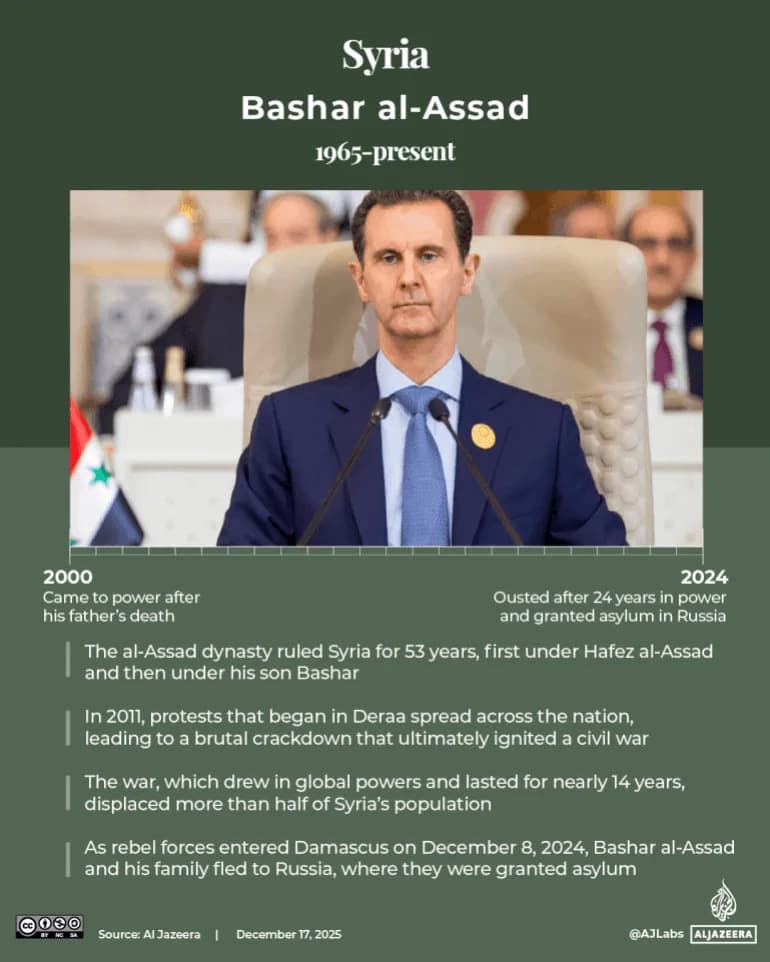
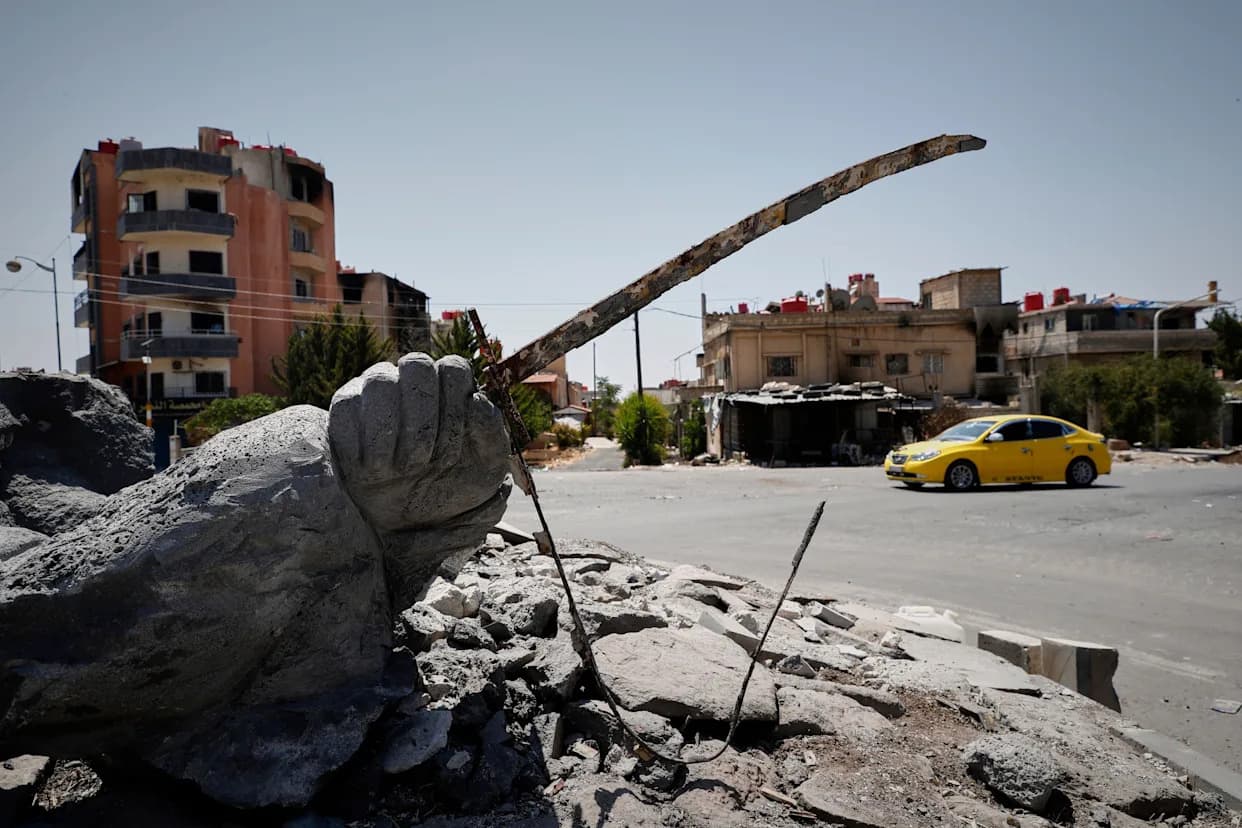
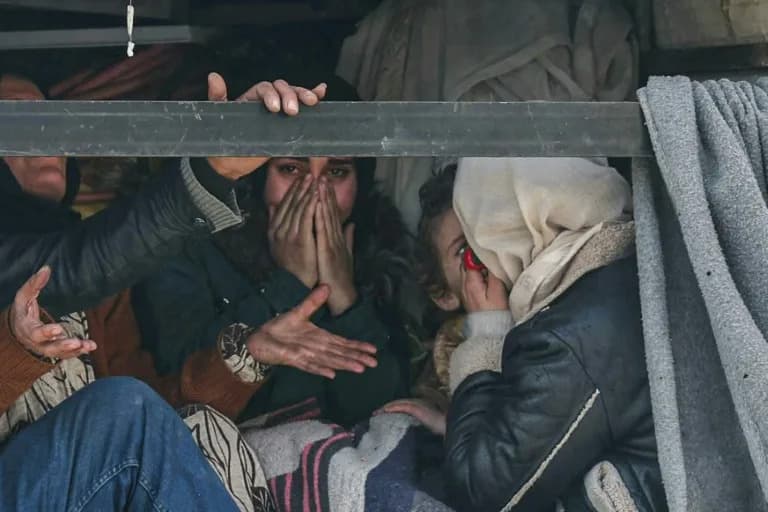
Homs has long been a religiously and ethnically mixed city, home to Sunni, Alawite and Christian communities. During the uprising that led to the ouster of Bashar al‑Assad in December 2024, Homs was widely seen as a centre of opposition. Since then, minority communities, particularly Alawites in some areas, have reported incidents of discrimination, violence and displacement; some fled to nearby regions, including villages in Lebanon’s Akkar.
"The communication from the government side was good," said Lina Ghoutouk, a Syrian researcher and human rights specialist. "It was clear that this violence, aggression, or sectarianism is completely unacceptable." She added, however, that "uncontrolled weapons on the loose mean [such incidents] could happen again."
What this means for Syria’s stability
The swift deployment of security forces and local leaders appears to have prevented an immediate spiral into wider sectarian conflict — a significant outcome for a government seeking to restore public trust. Yet observers stress that the root causes remain: armed tribes, uncontrolled weapons and deep communal grievances can easily be reignited by a single incident. Whether authorities can translate short‑term containment into lasting reconciliation and rule of law remains to be seen.
Help us improve.