Public anger in Israel has mounted over calls for accountability for the October 7, 2023 Hamas attack, which killed 1,221 people. More than 70% of Israelis back a state commission of inquiry, but Prime Minister Benjamin Netanyahu has repeatedly rejected such a probe, arguing it would be politicised. The military has disciplined senior officers and urged a systemic investigation, while the government’s minister-selected probe has been criticised as insufficient. Protesters insist only an independent, external commission will restore public confidence.
Netanyahu Accused of Avoiding Accountability as Israel Seeks Answers after Oct. 7 Failures

Tensions between Israel's political leadership and its military have deepened amid demands for accountability over the failures that preceded the October 7, 2023 Hamas attack. Critics accuse Prime Minister Benjamin Netanyahu of attempting to sidestep responsibility, while protesters and many citizens call for a full, independent inquiry into how the assault occurred and why early warnings were missed.
Weekly demonstrations — demanding Netanyahu's removal from leadership of the two-year Gaza war and pressing for the return of hostages — have become a visible expression of public anger. The October 7 assault left 1,221 people dead, and opinion polls indicate more than 70% of Israelis support creating a state commission of inquiry to examine the collapse in national security.
State commissions have been convened in the past to investigate major national failures; the inquiry after the 1973 Arab–Israeli war ultimately led to the resignation of Prime Minister Golda Meir. Formally, a government decides whether to establish a commission, but its members must be appointed by the president of the Supreme Court — an institution that Netanyahu's right-wing coalition has often accused of political bias.
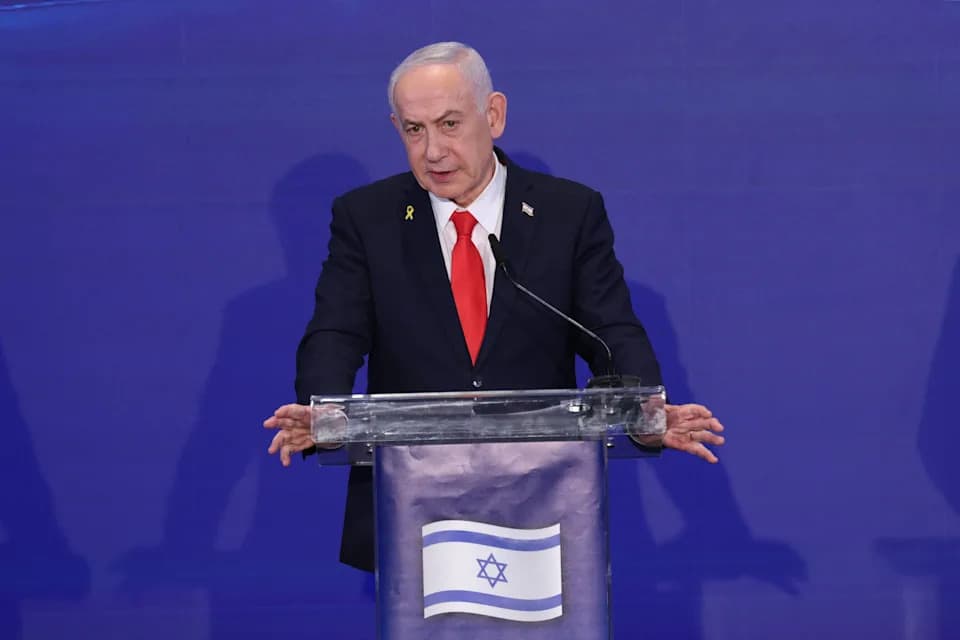
More than two years on, no state commission has been formed. On November 10, Netanyahu rejected renewed calls in parliament for such an inquiry, saying opponents would seek to politicize the process. He has repeatedly said a state commission will not be convened until after the war in Gaza ends.
Military Review and Growing Rift
In November the military dismissed three generals and announced disciplinary measures against several senior officers after publishing a report reviewing internal investigations into the October 7 failures. Lieutenant General Eyal Zamir, who appointed an independent expert committee to examine the matter, urged a wider "systemic investigation" to draw lessons from the attack.
Zamir’s call for a broader inquiry was reported as straining relations with the prime minister. Defence Minister Israel Katz then ordered a review of the committee’s work — a move Zamir described as "puzzling." The army issued a statement saying it had thoroughly investigated its own failures and that any additional examination should take the form of an external, objective and independent commission.
"Netanyahu doesn't take responsibility for anything: it's always someone's fault," said Yossi Mekelberg, a Middle East expert at Chatham House. "The idea that after these two years there's no inquest, and he tried to escape it — most Israelis won't accept it."
Independent analyst Michael Horowitz noted that Katz is widely viewed as a political loyalist who rarely departs from the prime minister's line. The current dispute between ministers and military leaders is unusually public, reflecting a deeper divide over who should bear responsibility for the failures of October 7 and how any inquiry should be conducted.
Public Response and Government Proposal
In mid-November the government proposed an "independent" probe whose membership would be chosen by a panel of cabinet ministers. Protesters and accountability groups criticised the plan as lacking credibility because the panel would be politically appointed. Thousands rallied in Tel Aviv demanding a full state commission that is demonstrably independent and empowered to uncover systemic failures.
"It should be an objective committee," said Eliad Shraga, chairman of the NGO Movement for Quality Government. "A committee that will really find out how we had such a failure, such a crisis."
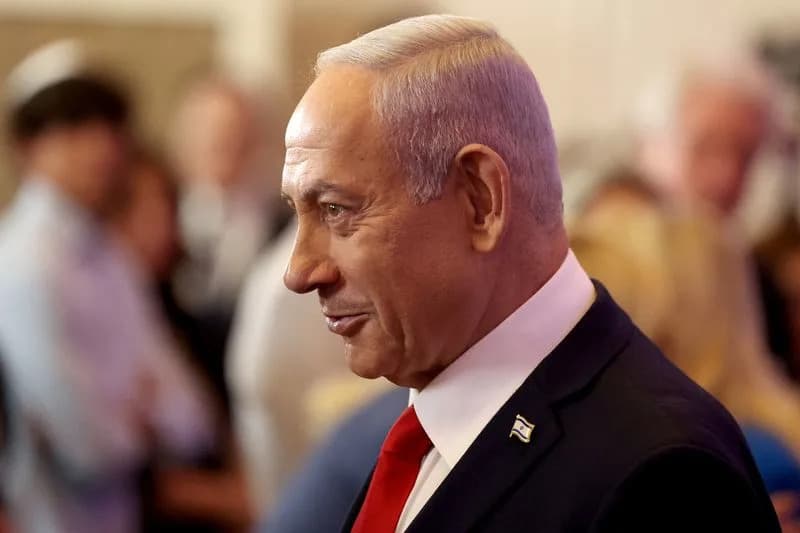
Netanyahu, Israel's longest-serving prime minister at 76, has not acknowledged personal responsibility for the security lapses that preceded October 7. Analysts argue he has a strong political incentive to avoid accepting blame, since doing so has historically forced leaders to resign. Netanyahu has said he intends to run in the next elections, due by the end of 2026.
The dispute highlights a broader struggle over civilian oversight, military accountability and public trust — issues that will shape Israel's political landscape and its ability to learn from one of the most consequential security failures in recent memory.
Help us improve.