Archaeologists revealed about 30 new artefacts from Göbekli Tepe and Karahantepe, part of a 12-site Stone Mounds project in Şanlıurfa dating to c. 9,500 BC. Highlights include a statue with a death-like facial expression and the first known human face carved on a T‑shaped pillar. The discoveries suggest complex ritual life and permanent settlements existed before full-scale farming. Officials say Göbekli Tepe could draw about 800,000 visitors this year.
Göbekli Tepe Discoveries Rewrite Neolithic Story — Statue and First Human Face on T‑Pillar Revealed

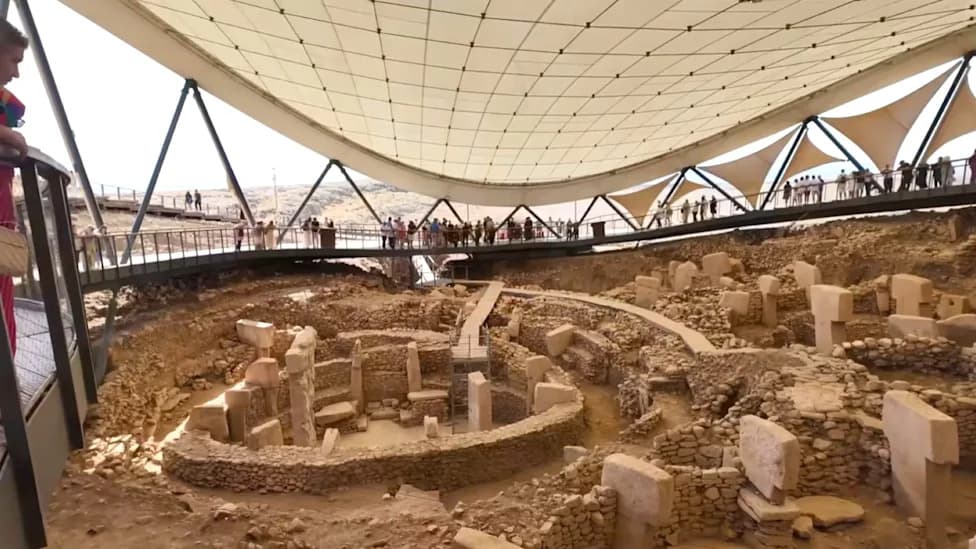
Turkish archaeologists on Wednesday unveiled roughly 30 newly unearthed objects from Göbekli Tepe and nearby Karahantepe in Şanlıurfa province, offering fresh evidence about communities living more than 11,000 years ago. The finds are part of a broader initiative known as the Stone Mounds project, which encompasses 12 Neolithic sites dating to around 9,500 BC.
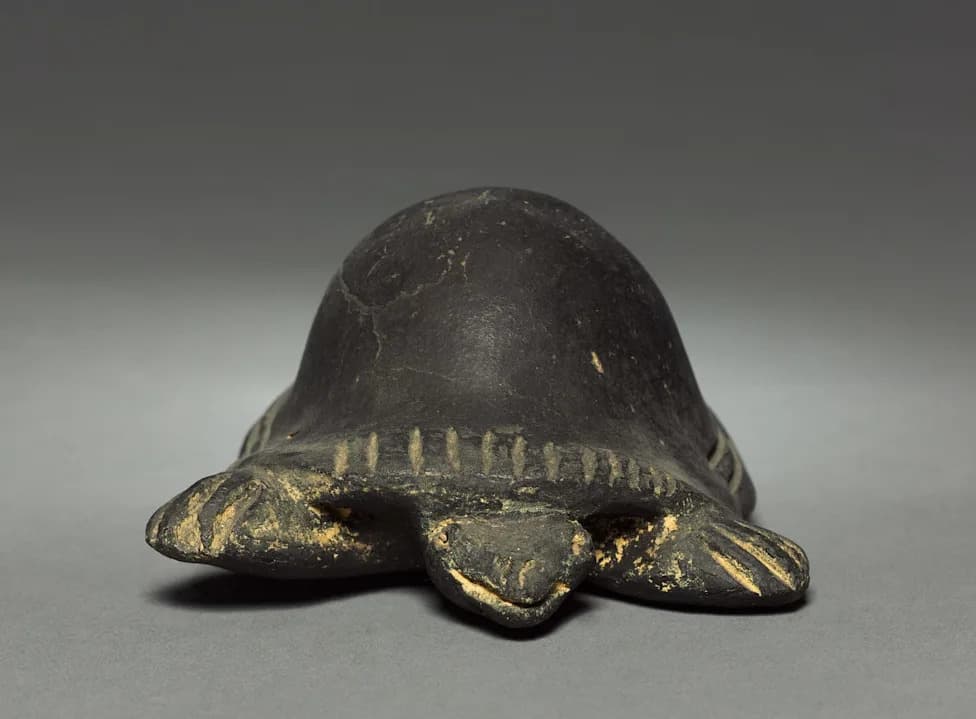
Perched on a plateau above fertile plains long described as a cradle of civilisation, Göbekli Tepe and Karahantepe continue to reshape scholarly views about the shift from mobile foraging to settled social and ritual life. The new collection includes human- and animal-shaped statues, small figurines, vessels, plates, necklaces and beads — among them a bead carved in the shape of a human.
Standout discoveries
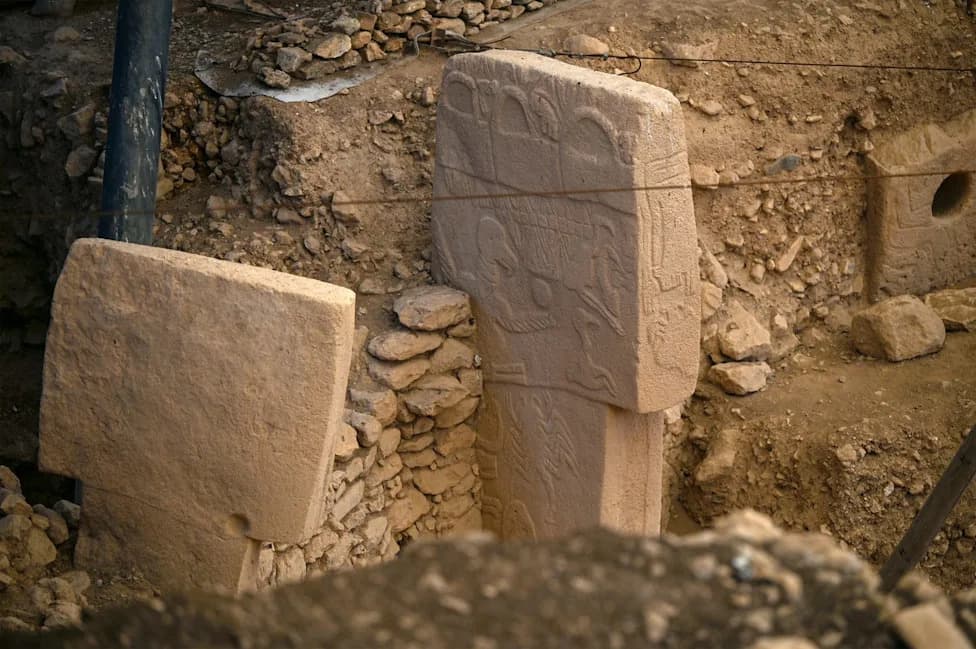
Archaeologists highlighted two striking finds: a statue whose facial expression appears to evoke a deceased person, and the first documented instance of a human face carved on a T-shaped limestone pillar. The sites are also notable for large oval enclosures up to 28 metres across ringed by T-shaped pillars commonly interpreted as stylised human figures, some bearing animal reliefs.
"What makes these archaeological sites unique is the way they reshape our knowledge of Neolithic history, as well as the transition to settled life," Culture and Tourism Minister Mehmet Nuri Ersoy said, adding the discoveries point to a sophisticated level of shared belief, ritual and cultural production.
Necmi Karul, head of the excavations, said the broad range of material remains — from dietary traces to architecture and symbolic objects — gives an unusually intimate view of prehistoric society. He noted the finds challenge the conventional assumption that permanent settlement followed the adoption of farming: evidence at these sites suggests people were living in permanent settlements while still practising hunter-gatherer lifeways.
The ministry estimates Göbekli Tepe will attract roughly 800,000 visitors this year, underscoring growing international interest in the site and its implications for understanding early communal ritual and social organisation.
Key context: The Stone Mounds programme covers 12 Neolithic settlements in Şanlıurfa province and focuses on monumental enclosures and symbolic sculpture that predate established agricultural economies. Continued excavations at Karahantepe and other sites have produced new material that refines interpretations of ritual behaviour, craftsmanship and social complexity in the early Holocene.
Reporting by Ceyda Caglayan.
Help us improve.