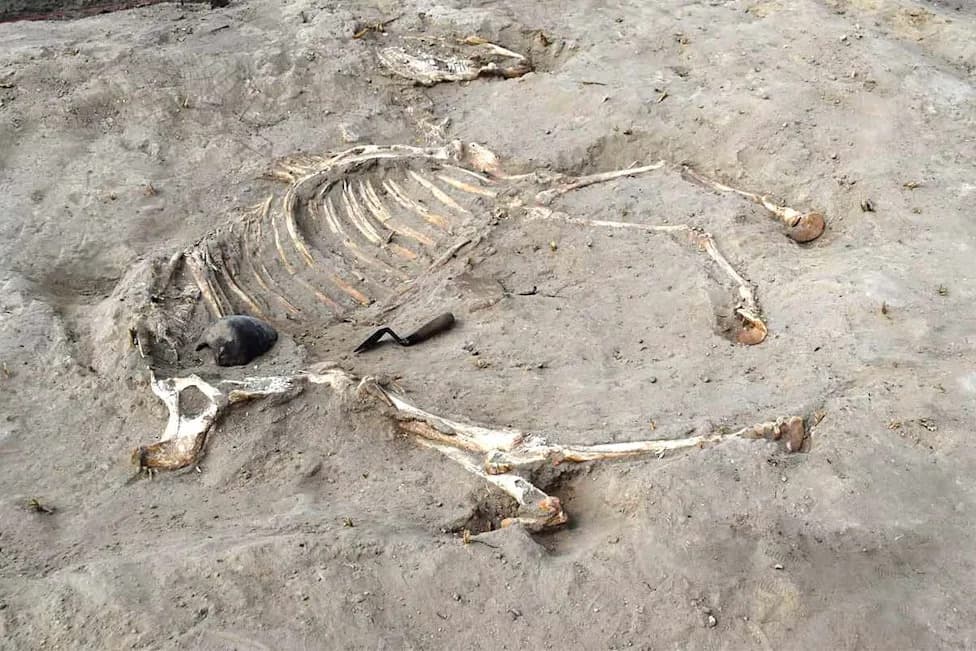
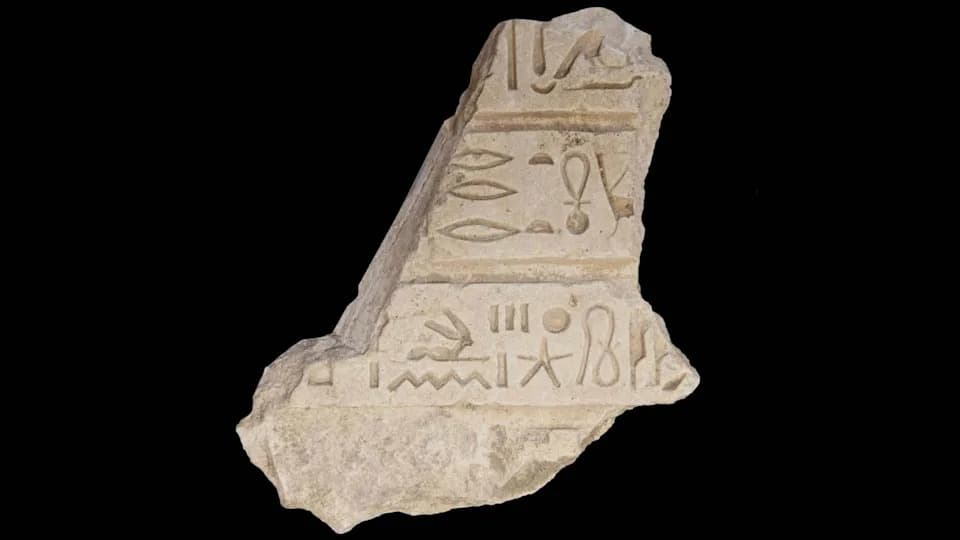
The Sukari Mountains have revealed a 3,000‑year‑old gold‑mining complex and the settlement that supported it, uncovered by the "Reviving the Ancient City of Gold" project. Archaeologists found crushing stations, filtration basins and clay smelting furnaces alongside houses, workshops, temples and Ptolemaic bathhouses. Finds include 628 inscribed pottery shards, coins, figurines, deity statues, beads, seashell ornaments and five offering tables. A full‑scale replica of the camp was reconstructed on a 6.3‑acre plot nearly two miles from the active Sukari Mine and now serves as a visitor centre.
Archaeologists Unearth 3,000‑Year‑Old Egyptian Gold Mine and Ancient Mining Camp

Archaeologists working in Egypt’s Sukari Mountains have uncovered a 3,000-year-old gold-mining complex and the settlement that grew up around it as part of the multi-year project “Reviving the Ancient City of Gold.” The discovery reveals a sophisticated extraction and processing operation alongside a vibrant, long‑lived community that supported mining life.
A complete gold‑processing complex
Excavations documented a comprehensive facility for extracting gold from quartz veins. Archaeologists found grinding and crushing stations, filtration and sediment basins, and clay furnaces built for smelting and purifying gold—evidence of an organised, large‑scale industrial process dating back three millennia.
Settlement and long-term use
The site also contained a residential district for workers and families, with houses, workshops, temples, administrative buildings and Ptolemaic‑period bathhouses. Architectural remains from the Roman and Islamic periods indicate the location continued to be occupied and used long after the original encampment was established.
Daily life and beliefs
Finds that illuminate daily life include 628 pottery shards, many inscribed in hieroglyphic, demotic and Greek scripts, underscoring the region’s linguistic diversity. Teams also recovered Ptolemaic bronze coins; terracotta figurines of humans and animals from the Greco‑Roman era; small stone statues of deities such as Bastet and Harpocrates (some unfinished); pottery vessels that once held medicines and incense; beads fashioned from semi‑precious stones; decorative objects made from seashells; and five Ptolemaic offering tables. Together, these artefacts paint a detailed picture of material culture linked to both work and worship at the mine.
Documentation and public access
Because the archaeological remains lie close to the active Sukari Mine, teams thoroughly documented the camp and then reconstructed a full‑scale replica on a 6.3‑acre plot nearly two miles away. The recreated complex now serves as a visitor centre with exhibits explaining the mining process and the daily lives of ancient miners, connecting the archaeological record to the continuing story of mining in the region.
Mohamed Ismail Khaled, secretary general of the Supreme Council of Antiquities, said the discovery enhances understanding of how ancient Egyptians extracted gold from rock and adds valuable insight into the social, religious and economic lives of the mining community.
Significance
This find not only demonstrates the technical skill and organisational capacity of ancient Egyptian miners, it also provides an unusually complete view of a mining community’s economy, beliefs and material culture—offering a direct link between ancient industry and the modern landscape of the Sukari Mountains.
Help us improve.