Researchers trained an AI on high-resolution chemical fingerprints from 406 samples—modern organisms, fossils and meteorites—and used it to read faint molecular traces in ancient rocks. The model identified biomolecular signals around 2.5 billion years old and broader biosignatures near 3.3 billion years, extending the detectable molecular record of life. The work, published in PNAS, nearly doubles the timespan over which molecular evidence can be retrieved and could help guide searches for past life on Mars.
AI Detects Chemical 'Whispers'—Photosynthesis Tried Earlier Than We Thought

New research using machine learning to read faint chemical traces in ancient rocks suggests the molecular record of life on Earth may extend far earlier than previously recognized. By combining high-resolution chemical analyses with an AI trained to spot biological fingerprints, researchers report biomolecular signals dating to roughly 2.5 billion years ago and broader biosignatures as old as about 3.3 billion years.
How the study worked
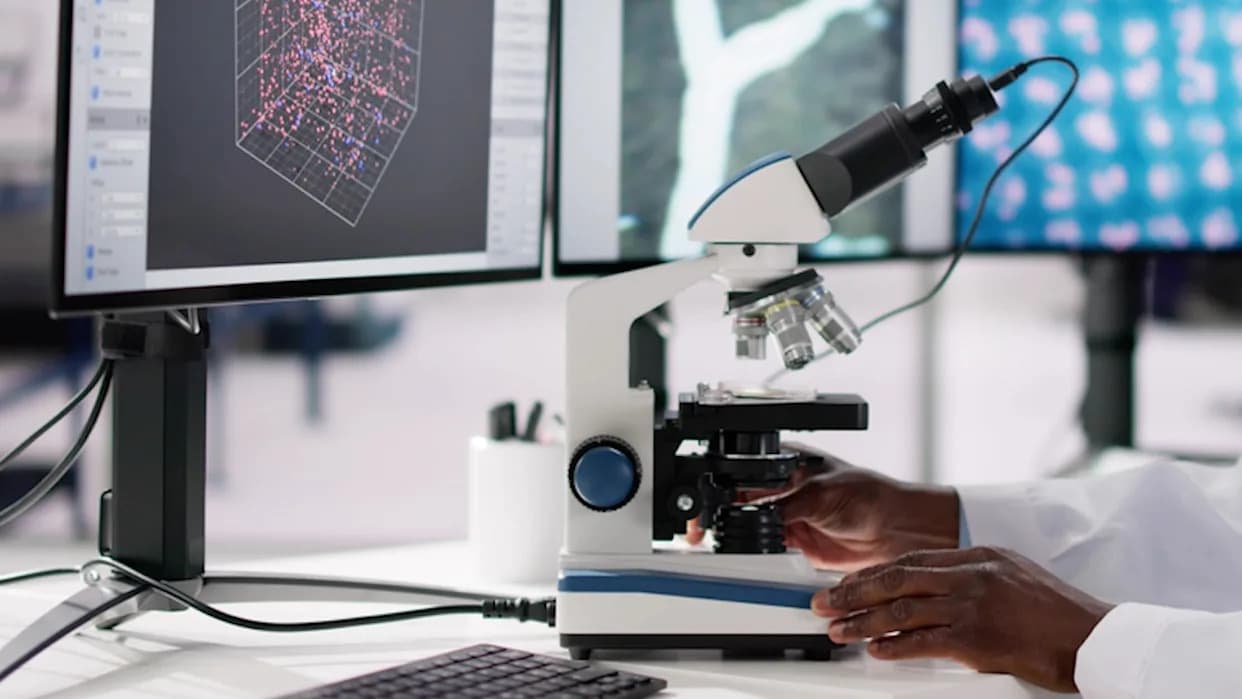
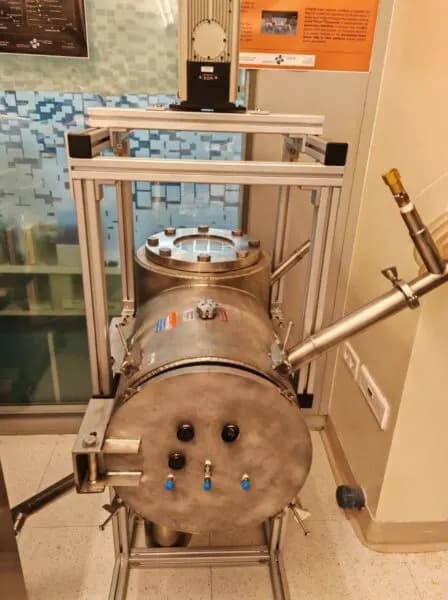
The team analyzed 406 diverse samples—including modern plants and animals, fossils, meteorites, and some of Earth’s oldest rocks—by breaking organic and inorganic material into molecular fragments and mapping their chemical patterns. An artificial-intelligence model was trained on these chemical fingerprints to distinguish biological from abiotic signals, achieving better than 90% accuracy on the test set.
Key findings
- The AI detected chemical indicators consistent with photosynthetic processes in rocks at least ~2.5 billion years old, pushing back previous chemical evidence (which had been found in rocks younger than ~1.7 billion years).
- Other biosignatures—molecular remnants that can indicate past life even after original biomolecules have degraded—were identified in samples about 3.3 billion years old.
- Overall, the method nearly doubles the timespan over which molecular evidence of life can be reliably detected in heavily altered geological material.
"Ancient life leaves more than fossils; it leaves chemical echoes," said Robert Hazen, the study’s lead author. "Using machine learning, we can now reliably interpret these echoes for the first time."
Katie Maloney, a co-author, added that pairing detailed chemistry with AI recovers biological clues that conventional approaches often miss in rocks that have undergone intense alteration over geologic time.
Why this matters
Detecting older chemical traces of photosynthesis and other biosignatures reshapes our picture of Earth’s earliest biosphere and helps refine timelines for when major biological processes emerged. Beyond Earth, the same chemistry-plus-AI approach could guide searches for ancient life on Mars and other planetary bodies by revealing faint, altered biosignals that traditional techniques might overlook.
Notes and caveats
Machine-learning detection of molecular patterns is a powerful tool, but not a direct fossil. The results depend on the training set and the interpretation of complex chemical data; independent replication and additional lines of geological and isotopic evidence are needed to fully confirm biological origin and timing. The study, published in Proceedings of the National Academy of Sciences (PNAS), presents a promising new method rather than an absolute rewriting of Earth’s history on its own.
Help us improve.