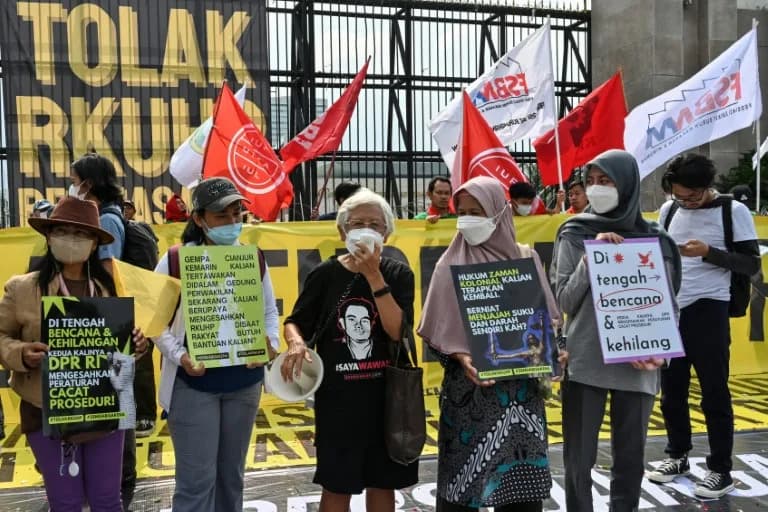
Ten major Indian trade unions staged nationwide protests after four new labor codes replaced 29 previous laws, arguing the reforms erode job security and restrict collective bargaining. The government says the consolidated codes modernize outdated rules, simplify compliance and extend social security to unorganized and gig workers. Unions point to measures that expand fixed-term contracts, ease layoffs for larger firms and tighten rules around union activity. The standoff underscores rising tensions over the direction of India’s economic reforms.
Nationwide Protests as India’s New Labor Codes Take Effect, Unions Call Reforms 'Deceptive'

Ten of India’s largest trade union federations launched coordinated nationwide protests Wednesday to oppose the government’s recent rollout of four consolidated labor codes, calling the reforms a "deceptive fraud" that undermines worker protections.
What happened
Rallies and demonstrations were held across multiple states as unions that represent millions of workers and farmers accused the government of pushing through the overhaul despite widespread concern that the new laws will weaken job security, limit collective bargaining and increase employer control. This was the first coordinated industrial action since the codes took effect last week.
What the codes change
The reform replaces 29 existing labor laws with four codes covering wages, industrial relations, social security and occupational safety. Officials say the consolidated structure simplifies compliance, modernizes outdated statutes and broadens access to benefits such as provident fund contributions, safety standards and social security for informal and gig workers.
Provisions highlighted by the government
- Employers must issue appointment letters and adhere to set timeframes for salary payments.
- Women are permitted to work night shifts provided employers arrange appropriate security.
- Social security coverage is extended to the unorganized sector and gig workers; fixed-term employees are to receive parity with permanent staff on benefits such as leave and maternity pay.
Union concerns
Union leaders argue the implementation favors employers. They point to provisions they say will allow easier layoffs for larger firms, expand fixed-term contracts, and impose more restrictive conditions for forming unions or legally staging strikes.
"Workers’ rights are being bulldozed, and the government is justifying the move with a barrage of lies that the codes will benefit laborers," said Tapan Sen, general secretary of the Centre of Indian Trade Unions.
"It’s an attempt to push workers back to the colonial era where they can’t even raise their voice nor fight to form or legalize a trade union," said Amarjeet Kaur, general secretary of the All India Trade Union Congress.
Why it matters
The dispute highlights a deep divide over India’s economic reform trajectory: government officials argue the codes are necessary to attract investment and formalize jobs, while unions say the measures strip essential safeguards at a time of growing job insecurity. The coming weeks will test whether dialogue between labor groups and the government can narrow the gap or whether protests intensify.
Next steps: The government has not issued a detailed public response to the strike. Union leaders say they will continue coordinated action until their demands for safeguards and clearer protections are addressed.
Help us improve.