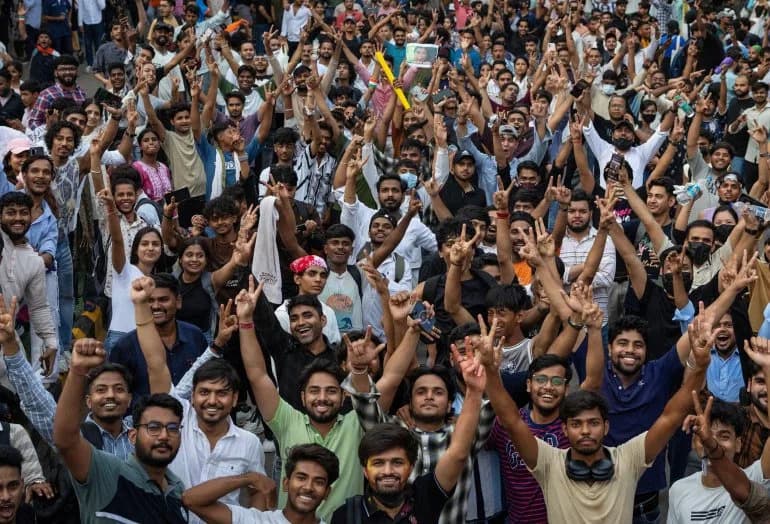
Thousands of app‑based delivery workers in India struck on New Year’s Eve to protest aggressive delivery timelines — including marketing promises of grocery drop‑offs within 10 minutes — and punitive automated penalties. Organizers say more than 200,000 workers participated, demanding fair pay, safety and comprehensive social security. The action spotlights tensions between fast‑commerce business models and the precarious conditions faced by riders, as some Indian states push ahead with gig‑economy regulation.
Thousands of Indian Delivery Workers Strike Over '10‑Minute' Promise, Demand Pay, Safety and Benefits
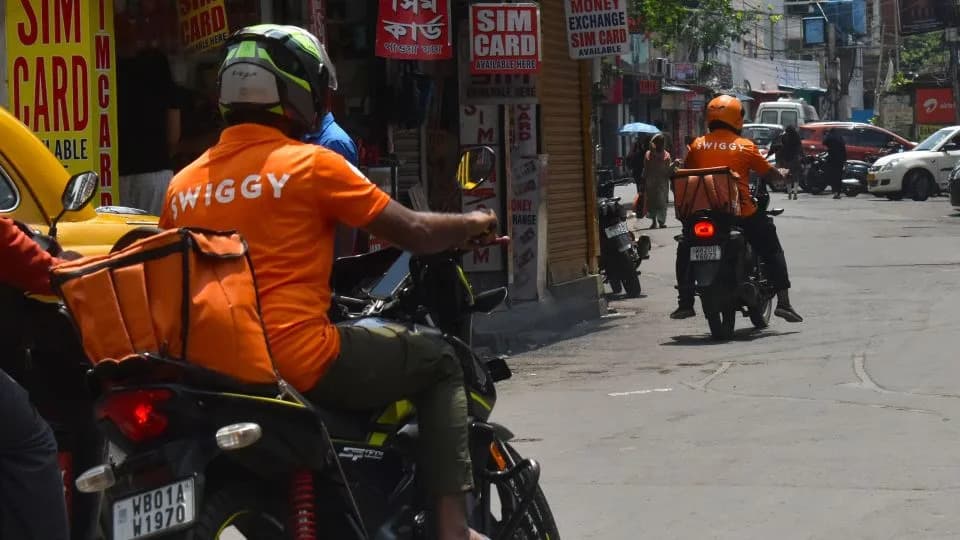
Swiggy food delivery drivers in Kolkata, India, on July 14, 2024. - Sudipta Das/NurPhoto/Shutterstock
Tens of thousands of app-based delivery workers across India staged a New Year’s Eve strike to protest what they say are impossible delivery targets, punitive automated systems and precarious working conditions. Organizers said more than 200,000 workers joined the action, drawing attention to the human cost of ultra-fast e‑commerce promises such as grocery deliveries within 10 minutes.
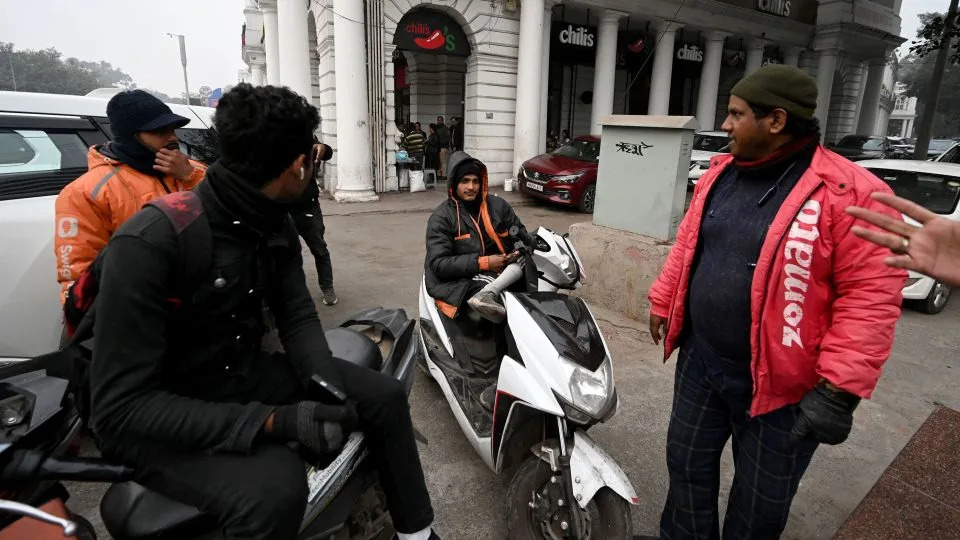
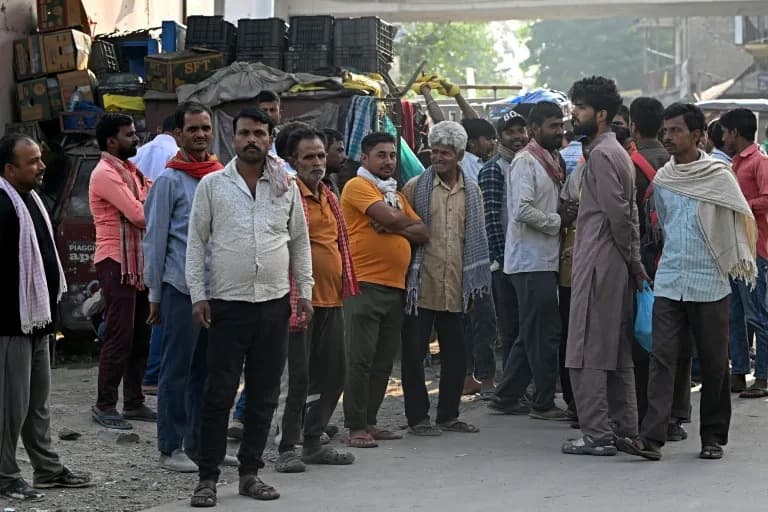
Gig workers rest in New Delhi during a nationwide strike on Wednesday - Hindustan Times/Shutterstock
What Workers Are Demanding
Riders and gig workers are calling for fair pay, dignity and safety. They want an immediate end to marketing commitments that require couriers to deliver groceries to any address within roughly a three‑kilometre (1.8‑mile) radius in 10 minutes, arguing the target is unrealistic in traffic‑congested cities. They also want protection from automated penalty systems that dock ratings and earnings and are demanding comprehensive social security — including health insurance, pensions and meaningful grievance mechanisms.
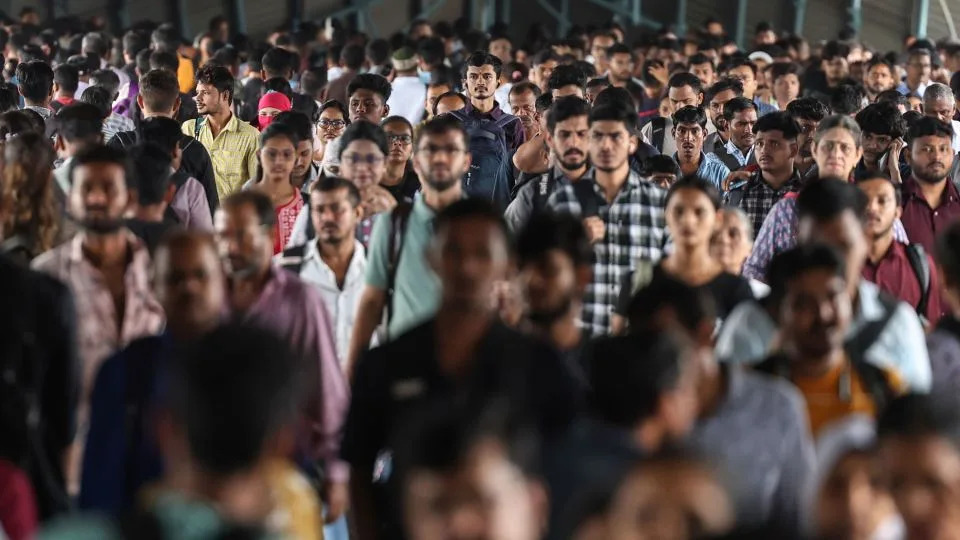
Commuters walk on a bridge connecting platforms at a railway station in Mumbai, India, on July 11. - Divyakant Solanki/EPA/Shutterstock
Voices From The Road
“We have to pay for our own fuel and bike maintenance,” a 41‑year‑old Swiggy driver in Hyderabad told CNN. “Then at least 50 rupees a day goes on food. I didn’t think this is what I would be doing in my 40s, but what other choice do I have?”
He said he earns about 20,000 rupees ($220) a month after his bookshop closed during the pandemic and that more than half goes to rent and school fees for five children.
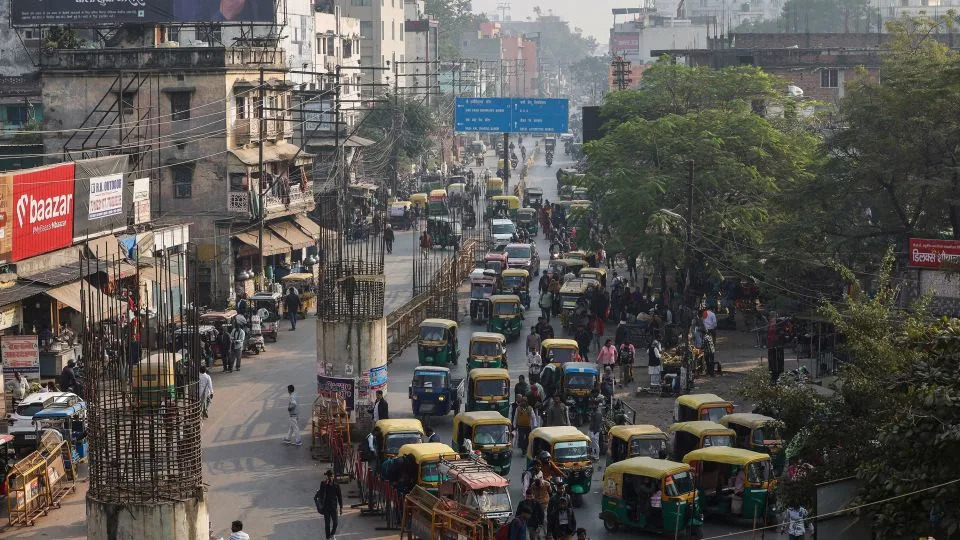
Commuters ride along a street in Varanasi, India, on December 10. - Niharika Kulkarni/AFP/Getty Images
In Mumbai, riders described punishing shifts and tight speed targets: one said he often works up to 16 hours to complete 35–40 orders to meet platform targets and is left with roughly 700 rupees ($7.70) after expenses. Another rider said he sometimes runs red lights to meet deadlines because missing targets leads to penalties or account blocking.

A Zomato delivery person rides a bike through a flooded street in Mumbai on August 19. - Ashish Vaishnav/SOPA Images/Shutterstock
Industry And Platform Response
Major players in India’s quick‑commerce market — including Swiggy (Instamart), Blinkit, Zepto and Zomato — have made rapid delivery a central part of their growth strategy. Market valuations underscore the scale: Swiggy’s market cap is roughly $11 billion and Zomato’s about $28 billion. Platforms argue that dense micro‑fulfillment networks and nearby stores enable fast delivery, and some executives said operations continued largely uninterrupted during the strike.
Deepender Goyal, co‑founder of Zomato, said on X that Zomato and Blinkit were operating "at a record pace,” adding that strong recruitment and retention suggested the system attracts workers. Unions countered that millions of orders were fulfilled because drivers could not afford to log off, not because working conditions were fair.
Legal Context And Reforms
Many platforms classify riders as independent contractors rather than employees, which limits companies’ legal obligations for benefits. The central government announced labor reforms in 2020 that pledged social security schemes for gig workers, but nationwide implementation has been slow. Some states have passed or proposed measures: Rajasthan created a welfare board in 2023; Karnataka and Jharkhand also passed regulations last year, and Telangana is exploring similar steps.
Why This Matters
The strike highlights a growing clash between urban consumers’ demand for speed and the livelihoods and safety of the workers who deliver that convenience. While the gig economy creates flexible income opportunities and has opened work to more women, critics say the model has effectively formalized insecurity: no fixed salary, limited benefits and algorithmic control over pay and access to work.
What’s Next: Workers and unions are pressing for clearer labor protections, transparent pay structures and access to social security. Policymakers, platforms and unions face pressure to negotiate models that balance consumer convenience with worker safety and dignity.
Help us improve.