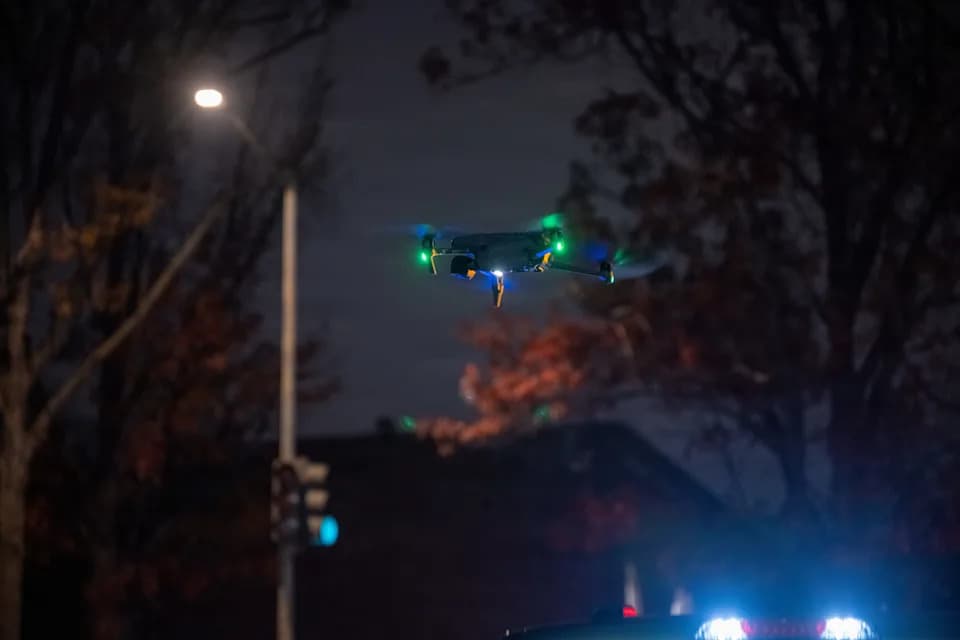
Republican lawmakers are split over proposed restrictions on Shenzhen-based drone maker DJI, with Rep. Elise Stefanik pushing House language to curb sales on national-security grounds while some Senate Republicans warn a blanket ban would harm farms, energy companies and first responders. An earlier provision could trigger an import ban after Dec. 23 if required federal audits of DJI and Autel aren’t completed. DJI denies the security allegations, has spent nearly $3 million on lobbying, and users and a GAO review warn that removing the drones would disrupt wildfire management and infrastructure inspections.
GOP Split Over Banning DJI Drones: Security Concerns Clash With Farming, Energy and First-Responder Needs
Republican lawmakers are sharply divided over measures to restrict sales of Shenzhen-based drone maker DJI, as they try to balance national-security concerns with the practical reliance of U.S. farmers, energy companies and public-safety agencies on the company’s products.
Rep. Elise Stefanik (R-N.Y.) pushed stricter language into the House version of the annual defense authorization bill that would curb DJI’s ability to sell new products in the United States, arguing the company’s devices could expose Americans’ data to the Chinese government. DJI denies the allegation and says it operates independently of Chinese authorities.
What’s at stake
The House provision would effectively bar sales of new DJI equipment unless federal audits and reviews clear the company. An earlier Stefanik amendment included in last year’s defense bill already requires federal agencies to audit DJI and rival Autel for national-security risks; if those audits aren’t completed by Dec. 23, a ban on imports could be triggered.
Who’s pushing back — and why
Senate Republicans, including Agriculture Committee Chair Sen. John Boozman (R-Ark.) and Sen. John Hoeven (R-N.D.), have resisted a blanket ban, warning of serious consequences for industries that depend on DJI’s relatively affordable, widely used systems. "They are the primary drone maker in the United States at a reasonable price," Boozman said. "That’s the crux of the problem."
"There are real cost ramifications for commercial enterprises, not just farming," Sen. Hoeven said, citing energy infrastructure inspection, rescue missions and other public-safety tasks.
Sen. Rick Scott (R-Fla.), who supports language similar to Stefanik’s, has encountered resistance in the Senate Commerce Committee, which oversees aviation and technology. Committee staff raised concerns about the operational impact on first responders and other users that rely on DJI equipment.
Practical impacts and government experience
DJI dominates the global commercial-drone market and is widely used for infrastructure inspection, land surveying and public-safety operations. The company has spent nearly $3 million on federal lobbying this year and has appealed to lawmakers representing districts that rely on its drones.
Even federal agencies that tried to divest Chinese-made drones have faced operational setbacks. After the Interior Department barred new DJI purchases in 2020, a Government Accountability Office review found the Bureau of Land Management and National Park Service struggled to keep up with wildfire management and shifted to costlier, riskier methods such as helicopters.
Security concerns vs. mitigation approach
Supporters of bans, led by Stefanik and backed by some China hawks, argue that national-security risks justify an immediate prohibition on new DJI sales and demand U.S.-made alternatives. Critics — including some Republican senators — say a more measured approach is needed to weigh both security risks and the economic and operational fallout, and to allow time to scale domestic alternatives.
DJI’s global head of policy, Adam Welsh, has said the push to restrict the company is motivated by protectionism rather than genuine data-security concerns. Representatives of law-enforcement and emergency-response groups warn an outright ban would create widespread disruption.
Next steps
The House and Senate must reconcile differences in the defense bill before the end of the year. Negotiations will likely focus on whether audits and targeted restrictions can address security concerns while avoiding immediate, broad bans that could disrupt critical services.
Help us improve.