The December executive order signed by President Trump aims to preempt many state AI laws by directing the DOJ to form a litigation task force to sue states with "onerous" regulations and potentially withhold federal funds. Supporters say national uniformity is needed to keep U.S. tech competitive with China. Key Republican critics — including governors Ron DeSantis, Sarah Huckabee Sanders, Spencer Cox, and lawmakers Josh Hawley and Marjorie Taylor Greene — argue the move undermines federalism and state rights. Earlier congressional attempts at preemption stalled amid GOP opposition.
How Trump’s December AI Order Split the GOP — Key Republicans Push Back

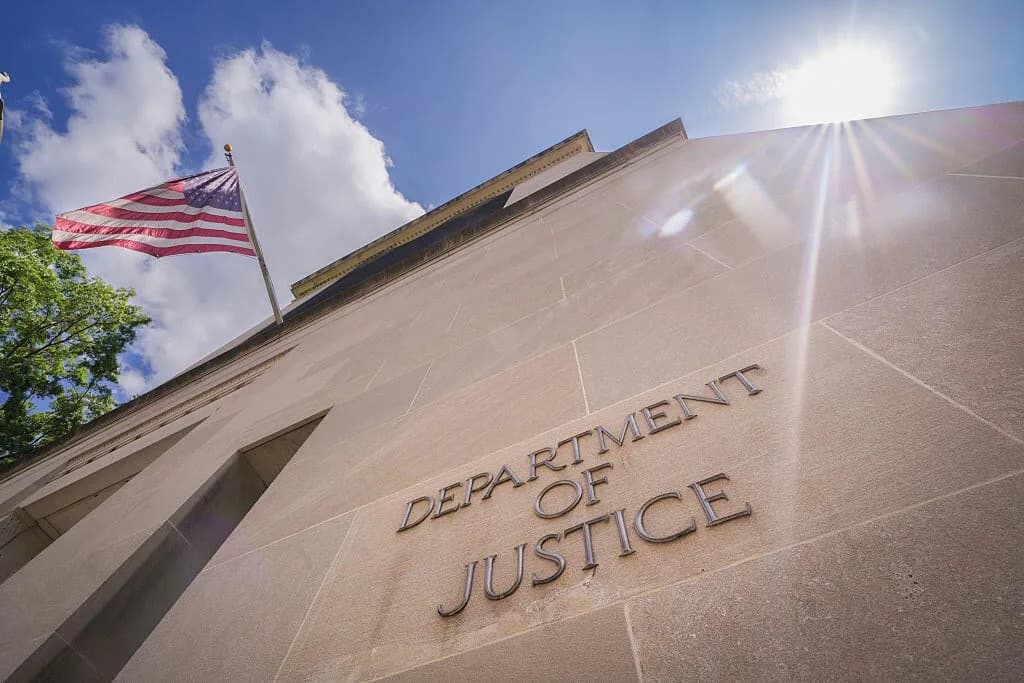
Trump signed an executive order earlier this month aimed at restricting states' ability to regulate AI.Alex Wong/Getty Images
President Donald Trump’s December executive order, aimed at preempting many state-level rules on artificial intelligence, has intensified a sharp debate inside the Republican Party. The order directs the Department of Justice to create a litigation task force to sue states it deems to have "onerous" AI laws and signals the possibility of withholding federal funds from states that enact restrictive measures.
What the Order Actually Does
The executive order seeks a uniform, nationwide approach to AI by using federal preemption to limit or overturn state regulations. It asks the Department of Justice to form a litigation task force to challenge state laws described as burdensome to AI development and raises the prospect of reduced federal funding for states that enact rules viewed as obstructive.

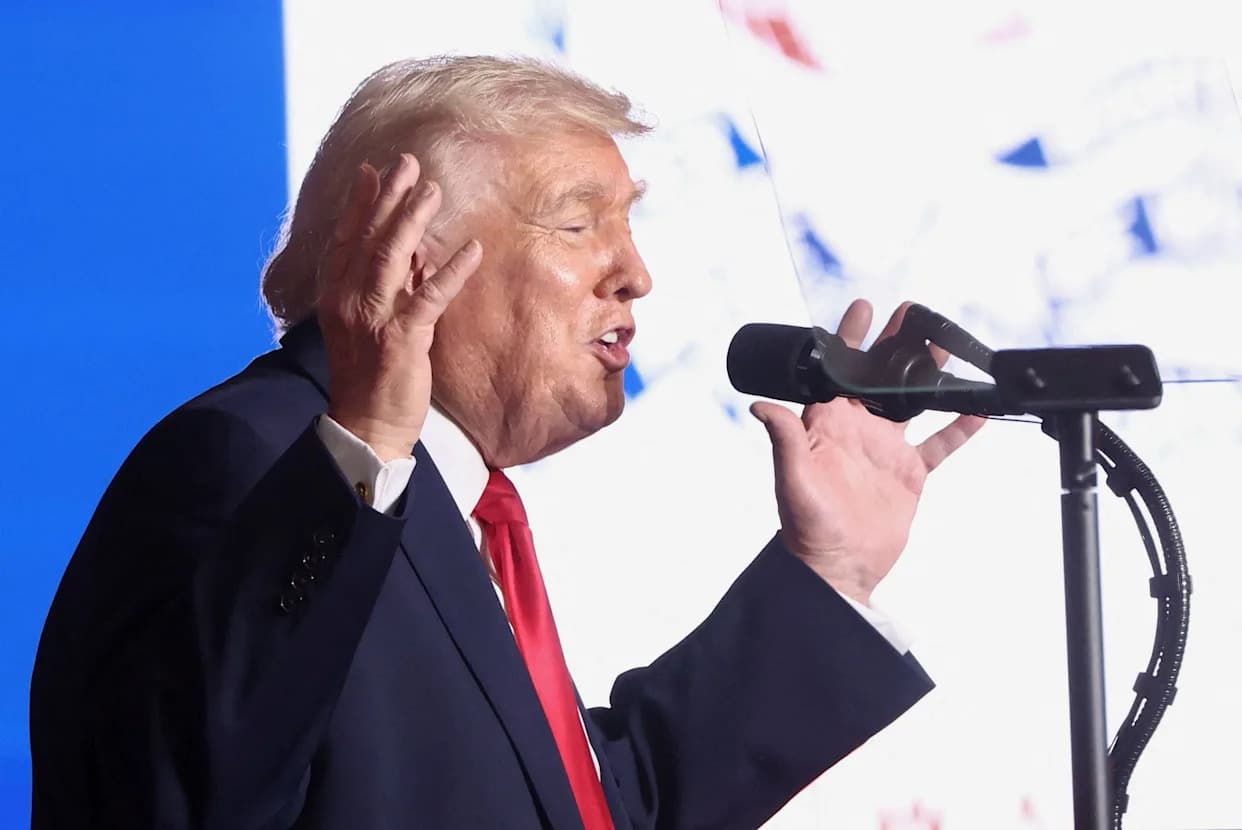
Joe Raedle/Getty Images
Why Supporters Back It
Proponents, including Trump and industry allies, argue national consistency prevents companies from facing 50 different regulatory regimes as they scale AI systems — a practical argument they say is necessary to keep U.S. firms competitive with China. David Sacks, an adviser on AI and crypto, has defended the order, saying it would not "force data centers upon communities" opposed to them.
The GOP Rift: Who’s Pushing Back
Several prominent Republicans — governors and lawmakers — have publicly opposed efforts to block state-level AI rules, arguing the order undermines federalism and local control.
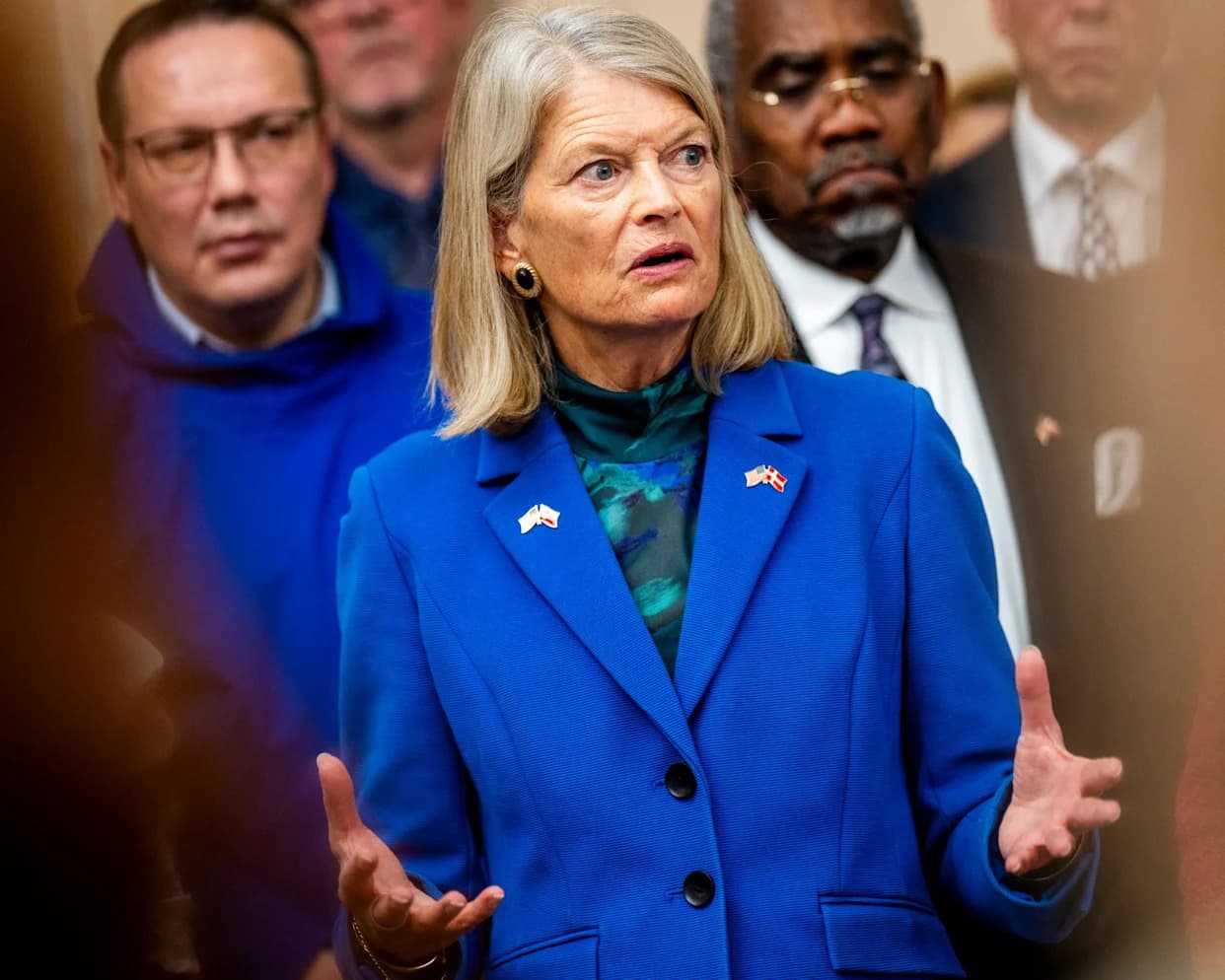
Anna Moneymaker/Getty Images
Gov. Ron DeSantis (Florida): DeSantis has consistently criticized federal preemption of AI rules, calling moratorium proposals a "subsidy to Big Tech" and warning that denying states the ability to govern AI locally is federal overreach. After the executive order, he said he was confident Florida’s approach would withstand federal challenge and insisted states retain the right to regulate.
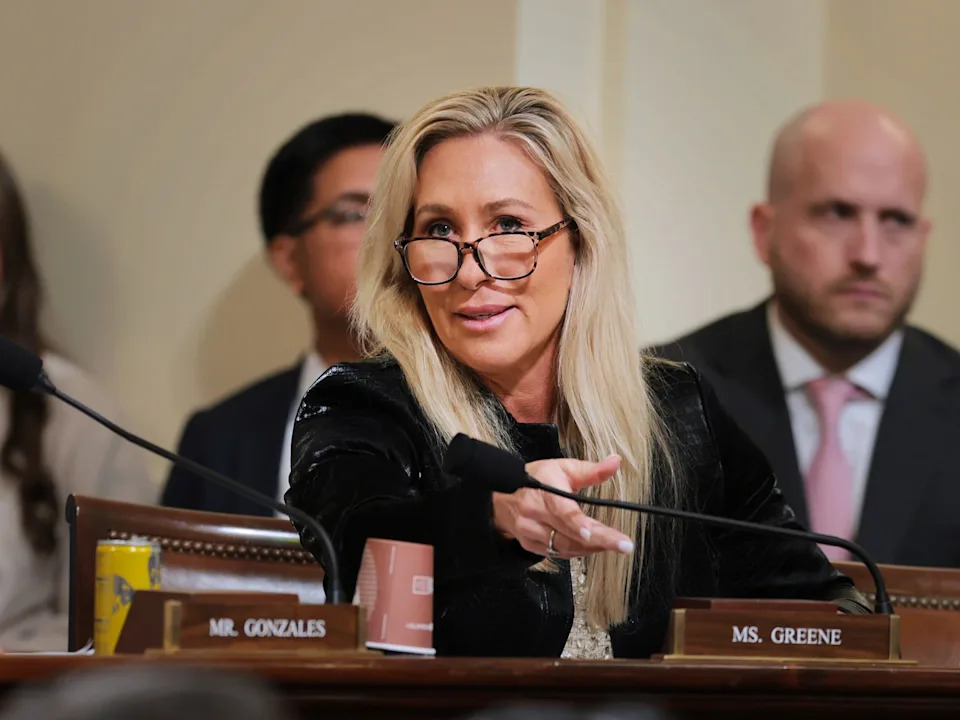
Rep. Marjorie Taylor Greene (Georgia): Greene said she opposed a provision in the earlier "Big Beautiful Bill" that would have blocked state regulation of AI and argued it violated state rights. She renewed that criticism during debates over the defense bill language, stressing that "Federalism must be preserved."
Tom Williams/CQ Roll Call via Getty Images
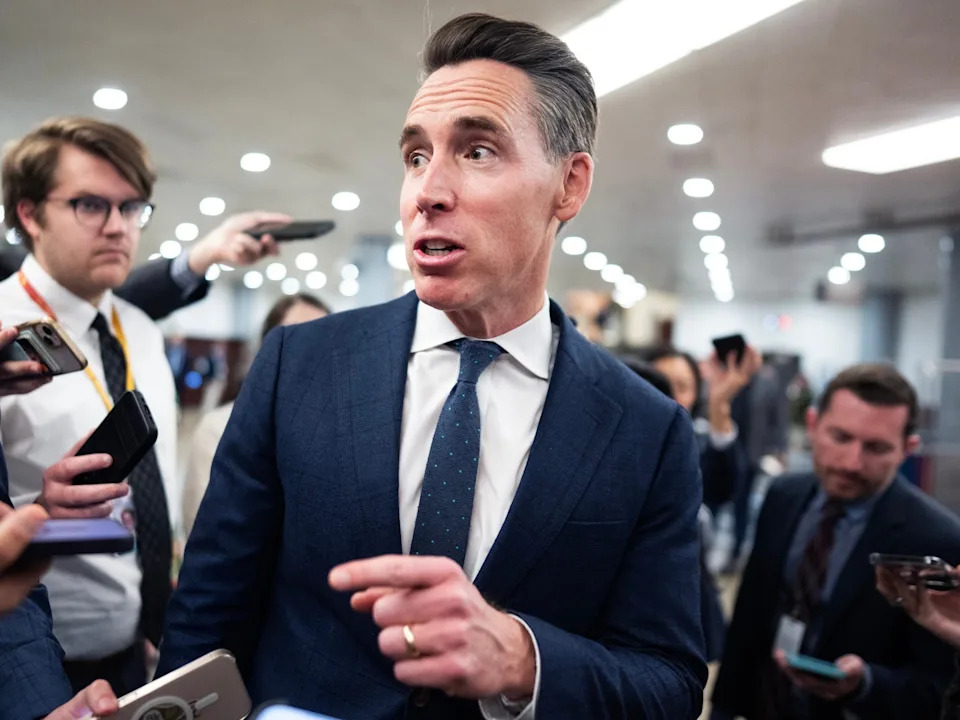
Sen. Josh Hawley (Missouri): A leading critic of Big Tech in the Senate, Hawley has defended states' ability to experiment with different regulatory frameworks. He publicly welcomed reports that preemption language was dropped from the defense bill and called the provision "terrible."
Gov. Sarah Huckabee Sanders (Arkansas): Sanders led a coalition of 17 Republican governors opposing a stronger, 10-year AI moratorium proposed in the "Big Beautiful Bill" and argued in a Washington Post op-ed that stripping states’ regulatory power runs counter to the founders' federal structure. She urged lawmakers to abandon preemption efforts and focus on protecting children and communities.

Andrew Harnik/Getty Images
Gov. Spencer Cox (Utah): Cox, who joined Sanders’ letter, warned against federal incursions into state authority and called for an alternative approach "focused on human flourishing," balancing competitiveness with safeguards for families.
Context And Consequences
The preemption push is the latest chapter in broader congressional efforts to limit state AI regulation — efforts that previously surfaced in an annual defense bill and in the so-called "Big Beautiful Bill." Those measures largely failed because of internal GOP opposition. The dispute highlights a deeper intra-party question: how to balance rapid tech growth and national competitiveness with state experimentation, local protections and the principles of federalism.

Kevin Dietsch/Getty Images
Bottom line: The order prioritizes national uniformity for AI development, but it has opened a rift among Republicans who argue states must retain the right to protect residents and experiment with different rules.
Read the original reporting on Business Insider.
Help us improve.