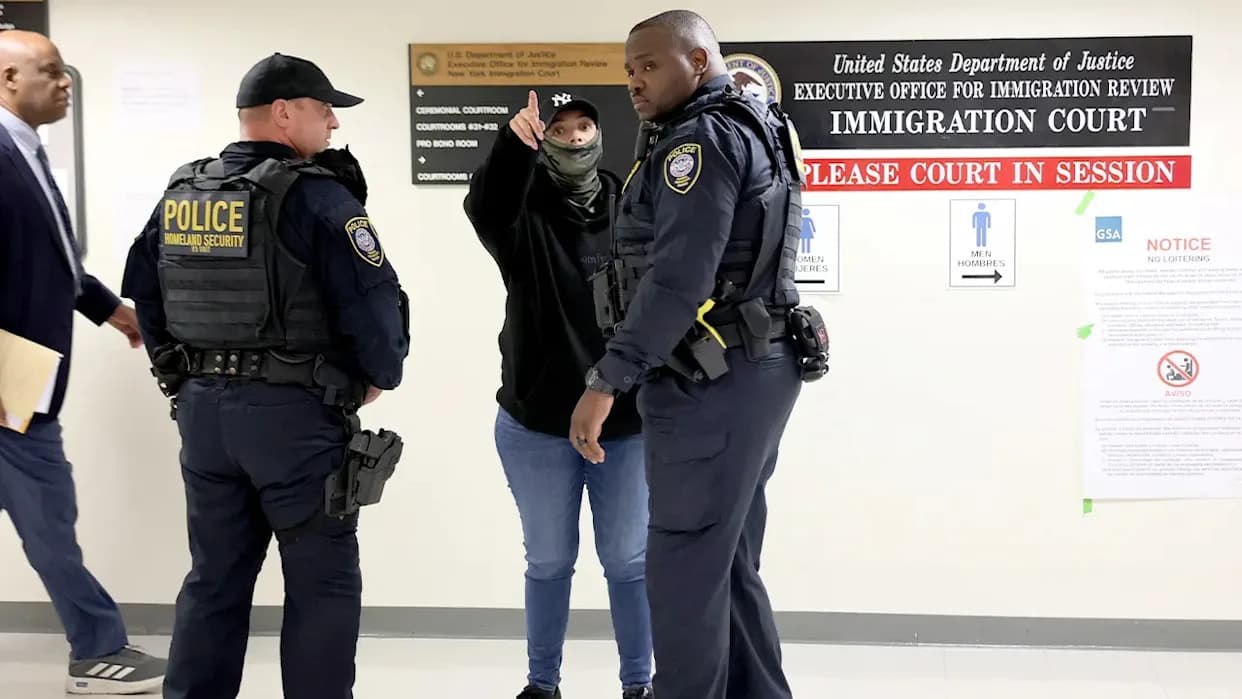
The Justice Department told a federal court that Secretary of Homeland Security Kristi Noem made the final decision not to turn back mid‑March deportation flights after a judge ordered their return. DOJ named the officials involved and defended the transfers as lawful under the Alien Enemies Act of 1798. Judge James Boasberg has accused the government of willful disregard and signaled he will resume a contempt inquiry; an appeals court later rejected his initial probable‑cause finding. The ACLU has sought testimony from multiple DHS and DOJ officials, but the department says live testimony is not currently warranted.
DOJ Tells Court Noem Chose Not to Turn Back Mid‑March Deportation Flights; Officials Named
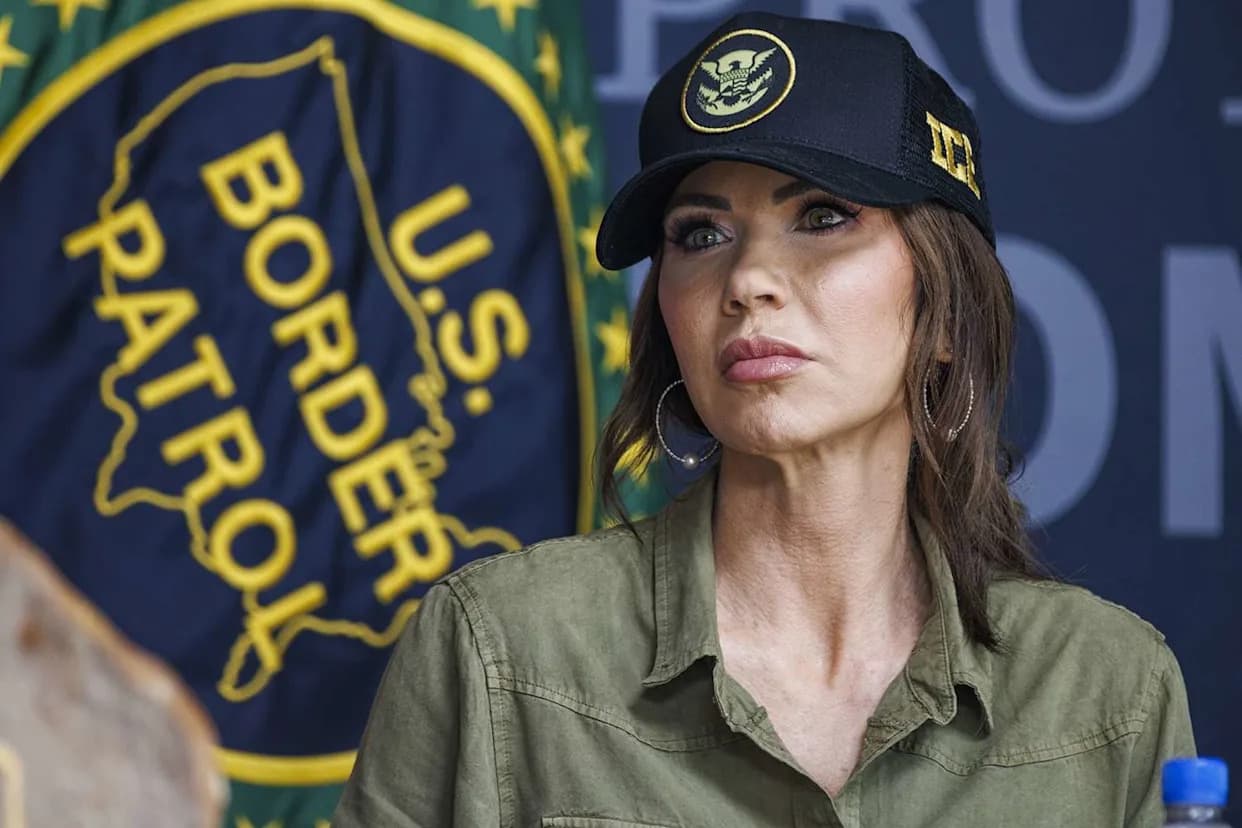
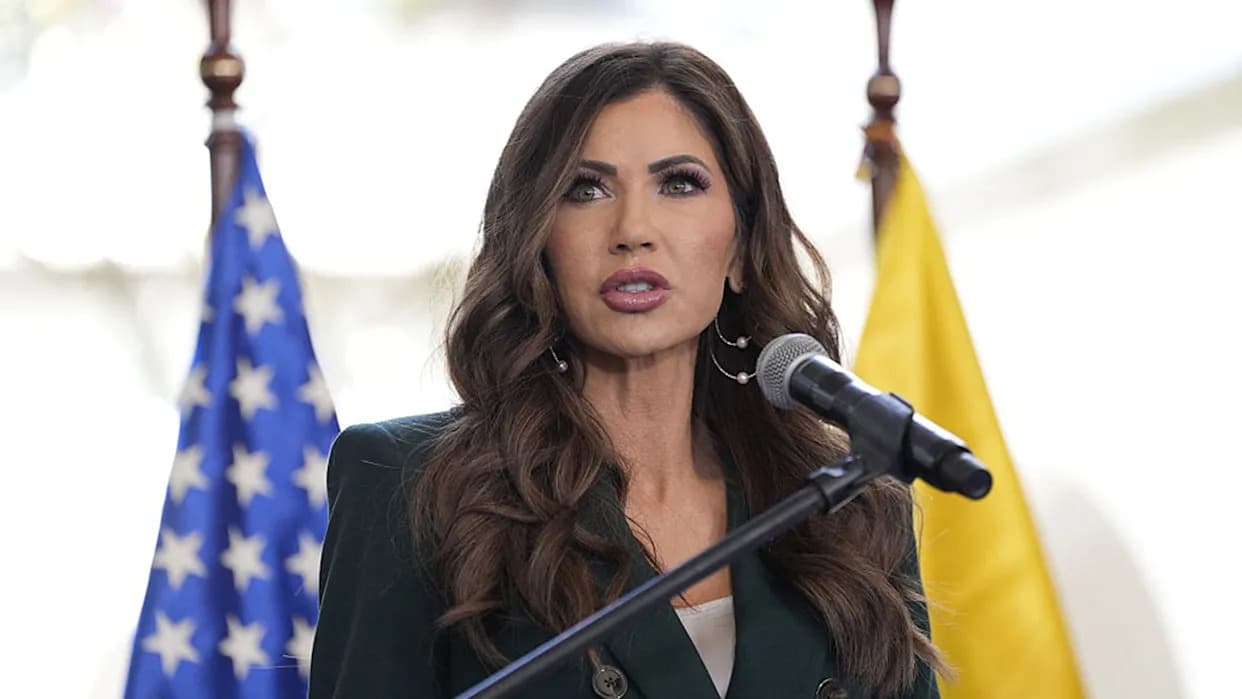
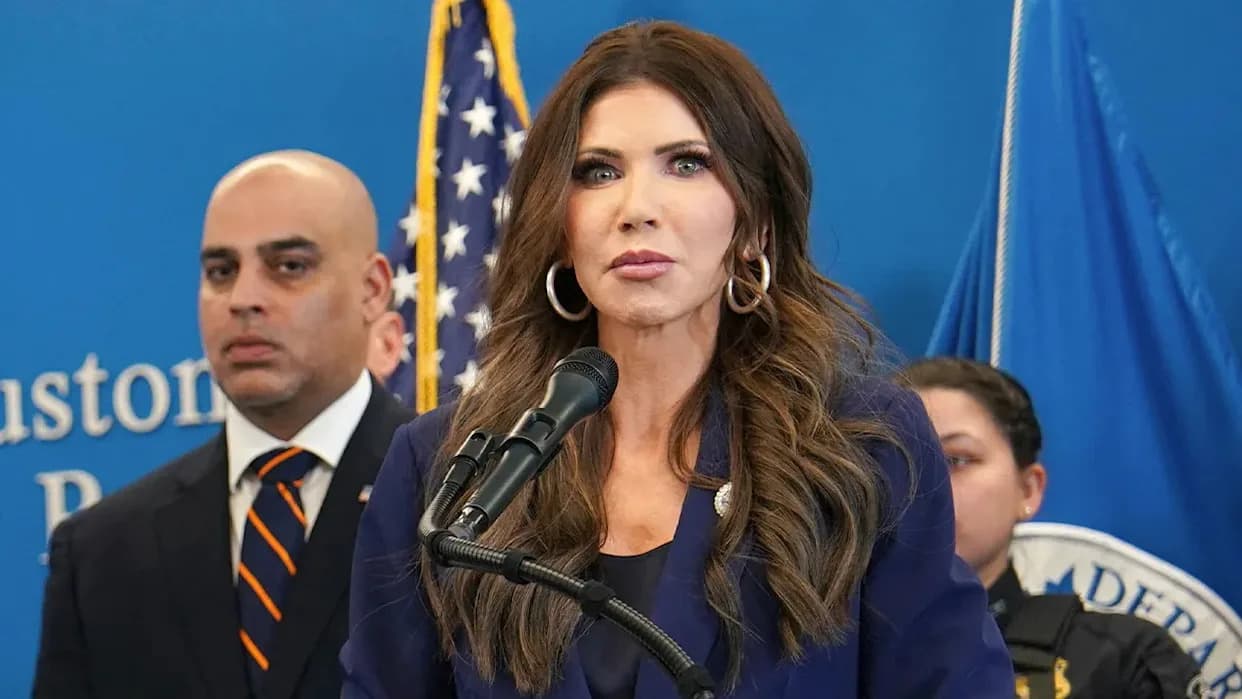
The Justice Department told a federal court Tuesday that Secretary of Homeland Security Kristi Noem made the final decision not to order a group of deportees returned to the United States after a judge directed that their flights be turned around.
What the filing says
In a court filing, the Justice Department said Justice Department official Drew Ensign conveyed U.S. District Judge James Boasberg's rulings to leadership at the Department of Homeland Security (DHS) and the Justice Department. Deputy Attorney General Todd Blanche and Principal Associate Deputy Attorney General Emil Bove provided legal advice to DHS's acting general counsel, who in turn relayed those recommendations to Secretary Noem. The filing states that Noem concluded the detainees "who had been removed from the United States before the Court's order could be transferred to the custody of El Salvador." The government described that decision as lawful and "consistent with a reasonable interpretation of the Court's order."
Background and legal stakes
The contested flights were part of a program to transfer accused Venezuelan gang members to El Salvador. The administration has argued the transfers were lawful under the Alien Enemies Act of 1798 and were intended to curb violent crime. Critics — including courts and civil‑rights advocates — contend many deportees lacked sufficient due process.
One lawsuit brought by migrants prompted Judge Boasberg to issue a temporary halt to removals under the Alien Enemies Act and to order that deportation flights already en route be returned. Despite the judge's instruction, the midair flights continued to El Salvador, and Boasberg has accused the government of showing a "willful disregard" for his rulings and found probable cause to pursue contempt proceedings.
Appeals and ongoing probe
An appeals court panel later set aside Boasberg's finding of probable cause, though a separate appellate panel allowed the judge to continue investigating whether the administration violated his order. Boasberg has signaled he will resume his contempt inquiry.
Witness requests and department response
The American Civil Liberties Union, representing the plaintiffs, has requested that more than half a dozen DHS and DOJ officials testify in open court about the decision not to divert the planes. The ACLU has suggested former Justice Department attorney Erez Revueni as a witness; Revueni has accused the department of attempting to defy or mislead judges in several matters, allegations the department has denied.
"No live testimony is warranted at this time," the department wrote in response to the ACLU's request.
The filing places senior DHS and DOJ officials at the center of the decision-making chain and frames the transfers as the product of legal advice and an ultimately discretionary choice by the DHS leadership. The court's inquiry will determine whether that exercise of discretion complied with the judge's orders.
Help us improve.