CRBC News

Pennsylvania Bans Hair Discrimination: Gov. Shapiro Signs CROWN Act to Protect Natural and Protective Hairstyles

What happened: Gov. Josh Shapiro signed the CROWN Act, adding 'hair texture' and 'protective hairstyles' to Pennsylvania's legal definition of race and making hair-based discrimination unlawful.

Why it matters: The change targets bias that disproportionately affects Black residents who wear styles such as locks, braids and twists, and expands enforcement options under state anti-discrimination law.

Context: The CROWN Act originated in California in 2019 and has since been enacted in roughly a dozen other states.

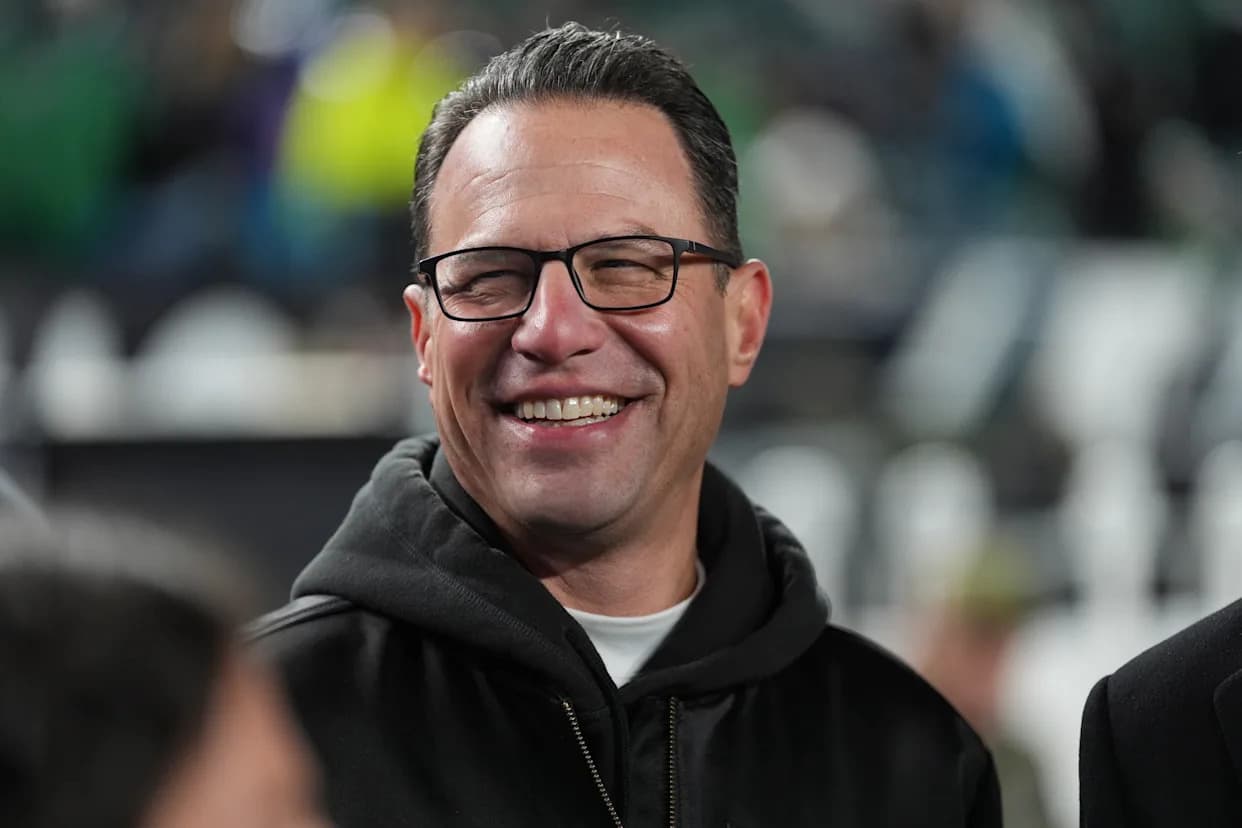
Pennsylvania Governor Josh Shapiro on Tuesday signed the CROWN (Creating a Respectful and Open World for Natural Hair) Act into law, explicitly prohibiting discrimination based on hair texture and protective hairstyles. The legislation amends the Pennsylvania Human Relations Act to include 'hair texture' and 'protective hairstyles' within the legal definition of race, making hair-based bias in schools, workplaces and public settings unlawful and enforceable under state anti-discrimination law.

"For too long, many Pennsylvanians have faced discrimination simply for hairstyles that reflect their identity and culture. That ends today," Shapiro said. "Today, when I signed the CROWN Act into law, that will be the next step in making good on that promise of bringing about real freedom for all Pennsylvanians."

Shapiro emphasized that the change responds to patterns of unequal treatment that disproportionately affect Black Pennsylvanians who wear protective styles such as locks, braids or twists. He noted that such bias can take many forms — from being passed over for a job to losing employment because of one’s appearance.

The bill was signed in a public ceremony as supporters and advocates cheered. First enacted in California in 2019, the CROWN Act has since been adopted in about a dozen other states, including New York, New Jersey, Texas and Michigan. Pennsylvania's law brings the state in line with a growing national effort to protect natural and protective hairstyles from discrimination.

If someone believes they have experienced hair discrimination, they can file a complaint with the Pennsylvania Human Relations Commission or consult an attorney to learn about remedies available under state law.

Similar Articles