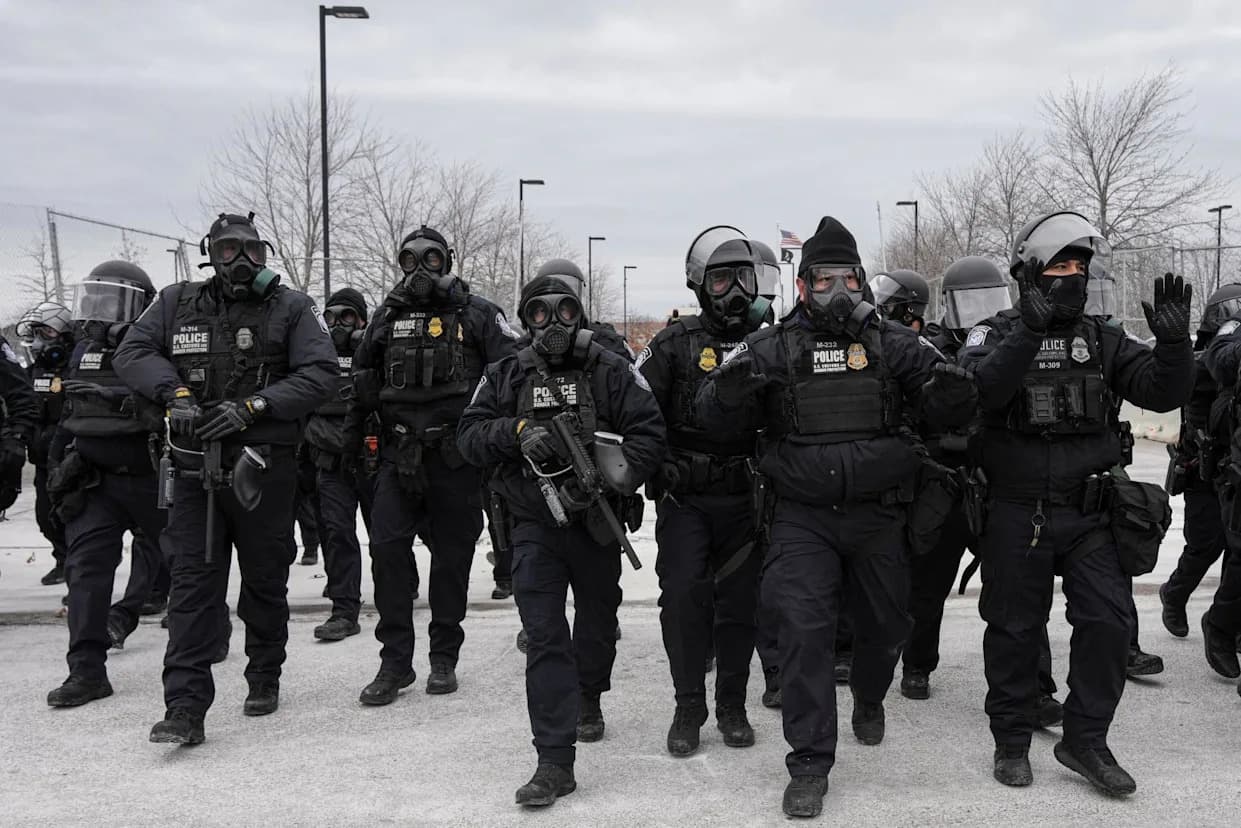
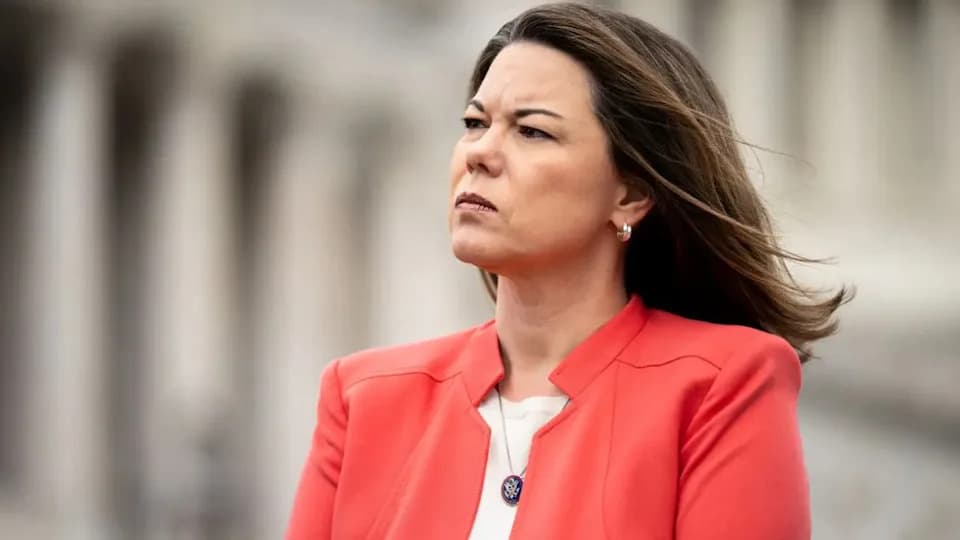
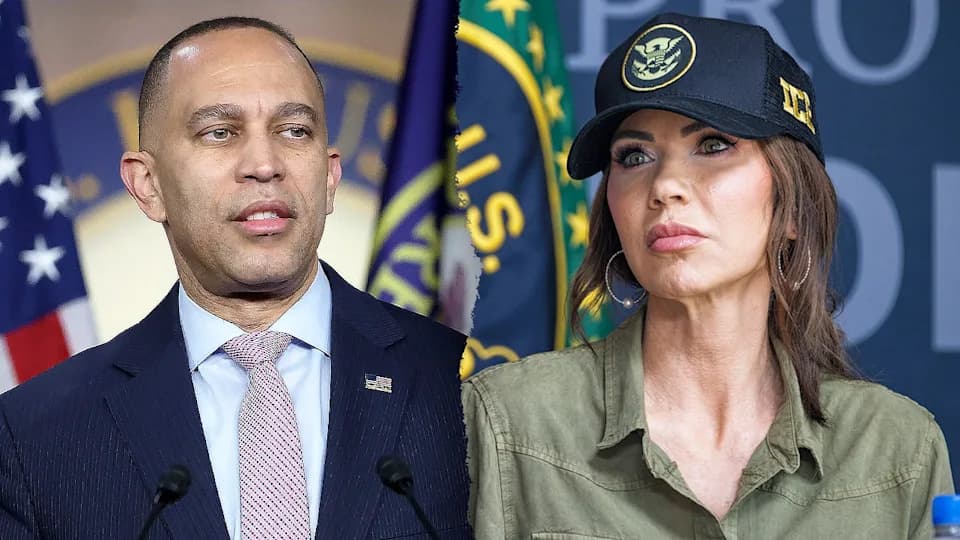
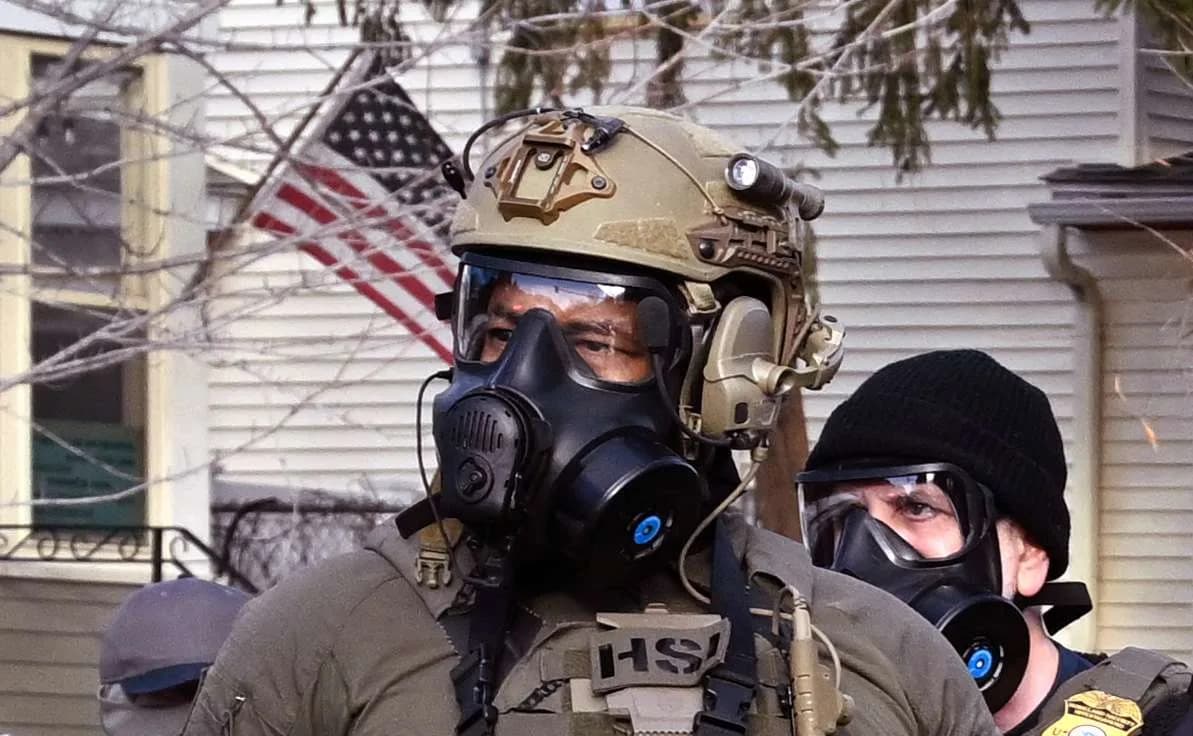
New York Gov. Kathy Hochul has endorsed legislation that would allow state residents to sue ICE agents who violate their constitutional rights, saying "power does not justify abuse." The bills, introduced by Sen. Brad Hoylman-Sigal and Assemblymember Micah Lasher, draw on principles similar to 42 U.S.C. § 1983 to extend civil remedies against federal officers in state court. Hochul also proposed requiring judicial warrants for ICE actions in sensitive locations and banning state assistance for raids on people who have not committed serious crimes. The move comes amid public outcry after a fatal ICE shooting in Minneapolis and broader calls for accountability.
Hochul Backs Bill Letting New Yorkers Sue ICE Agents, Saying 'Power Does Not Justify Abuse'
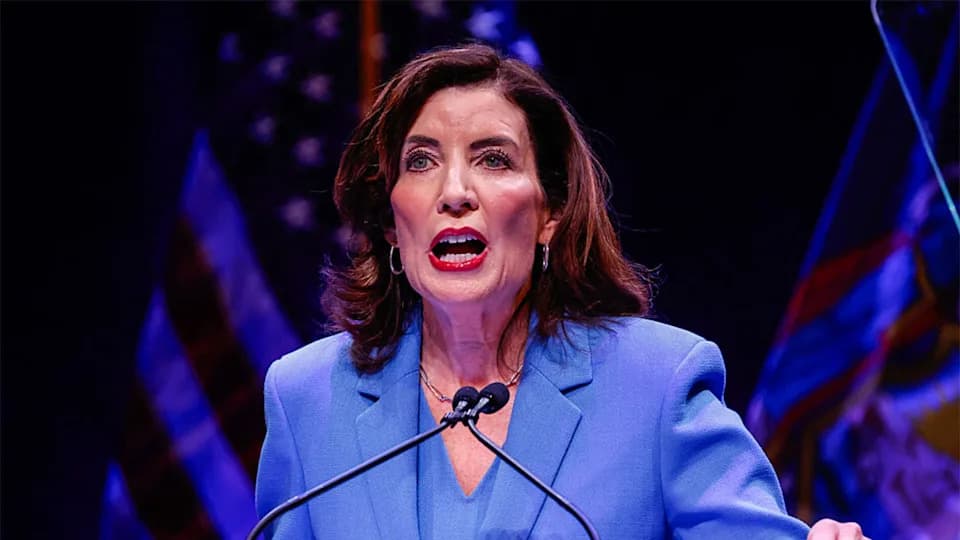
New York Gov. Kathy Hochul is backing legislation that would allow state residents to sue ICE agents for violating their constitutional rights.
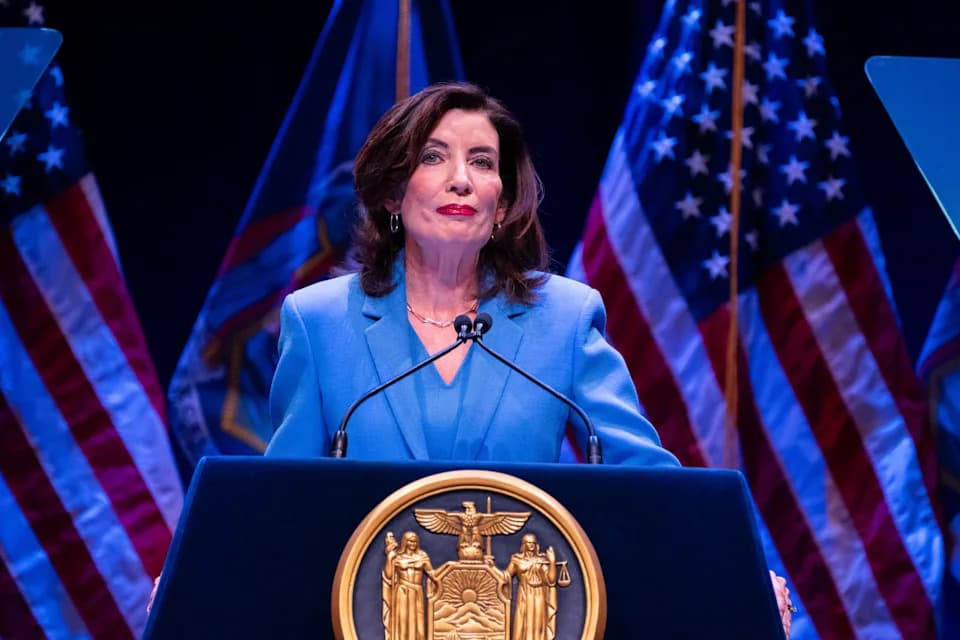
New York Governor Kathy Hochul on Tuesday endorsed legislation that would allow state residents to bring civil lawsuits against U.S. Immigration and Customs Enforcement (ICE) agents who violate their constitutional rights.
Delivering her State of the State address, Hochul said she wants New Yorkers to "hold ICE agents accountable in court when they act outside the scope of their duties." She added, "This doesn’t interfere with lawful enforcement or public safety. It simply affirms a core truth: Power does not justify abuse. And if someone’s constitutional rights are violated here in the state of New York, I say they deserve their day in court."
Legislative Details
Last year, state Sen. Brad Hoylman-Sigal and Assemblymember Micah Lasher introduced companion bills to let private citizens sue federal officers who infringe on constitutional protections. Lasher’s proposal specifically cites Section 1983 of Title 42 (42 U.S.C. § 1983), the federal statute that permits lawsuits against state and local officials for rights violations, and notes that New York does not currently have an equivalent mechanism to sue federal officers in state court.
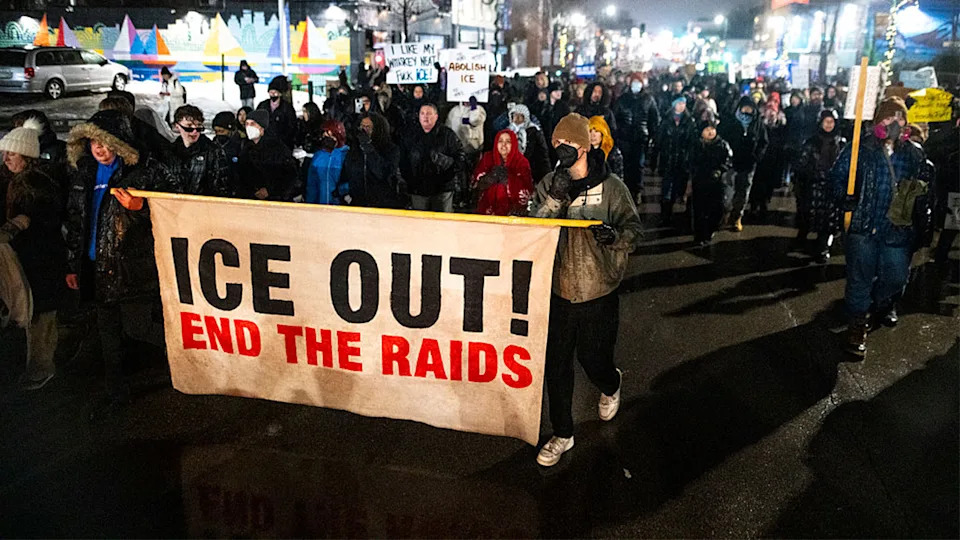
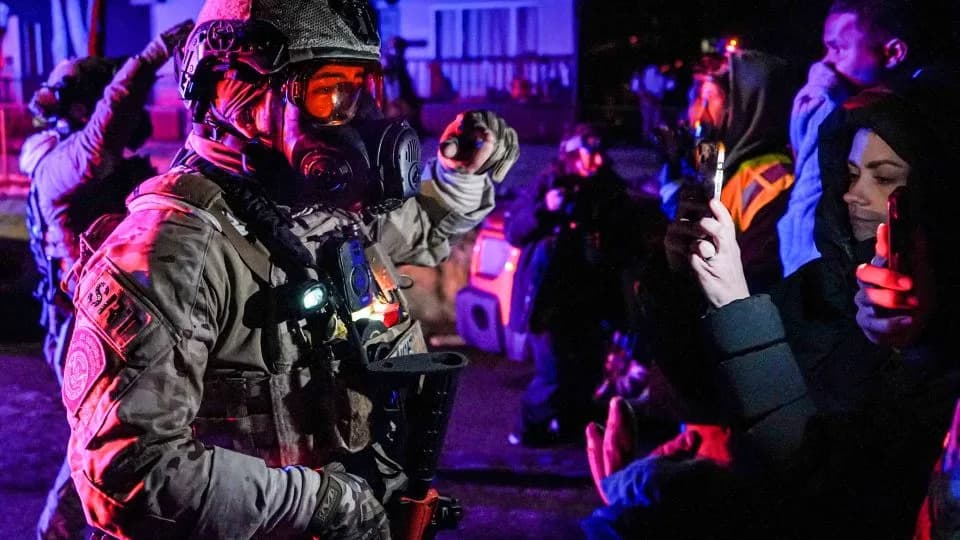
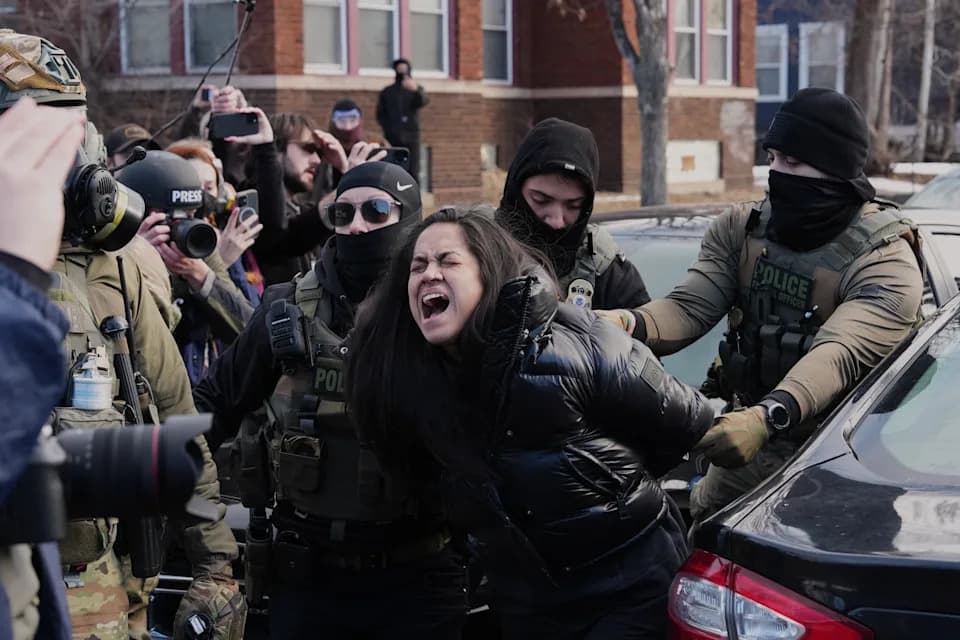
People march during a protest after the killing of Renee Nicole Good in Minneapolis, Minnesota.
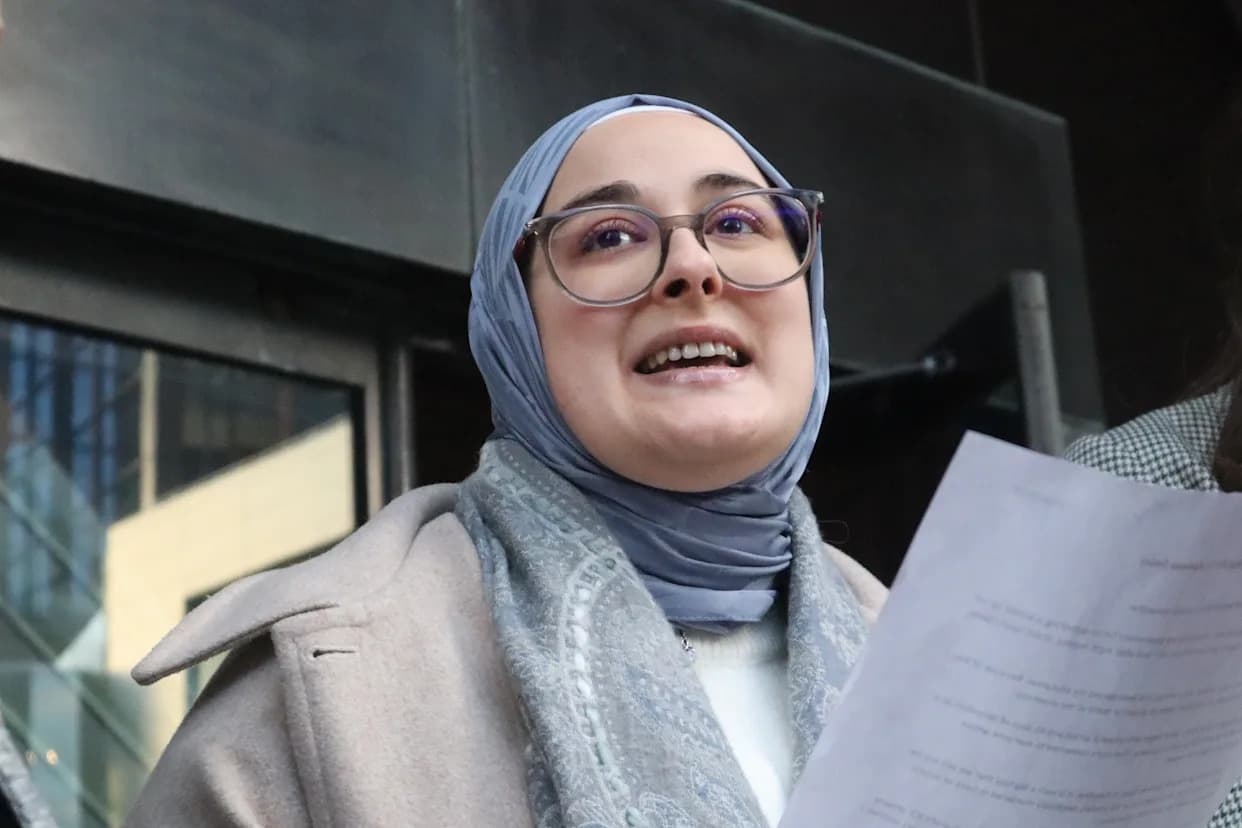
Assemblymember Lasher, who is running for Congress, wrote on X that, "Every day, ICE is terrorizing our communities & violating our civil rights. We must be able to hold them accountable," and said he welcomed Hochul’s support for the legislation.
Additional Proposals And Context
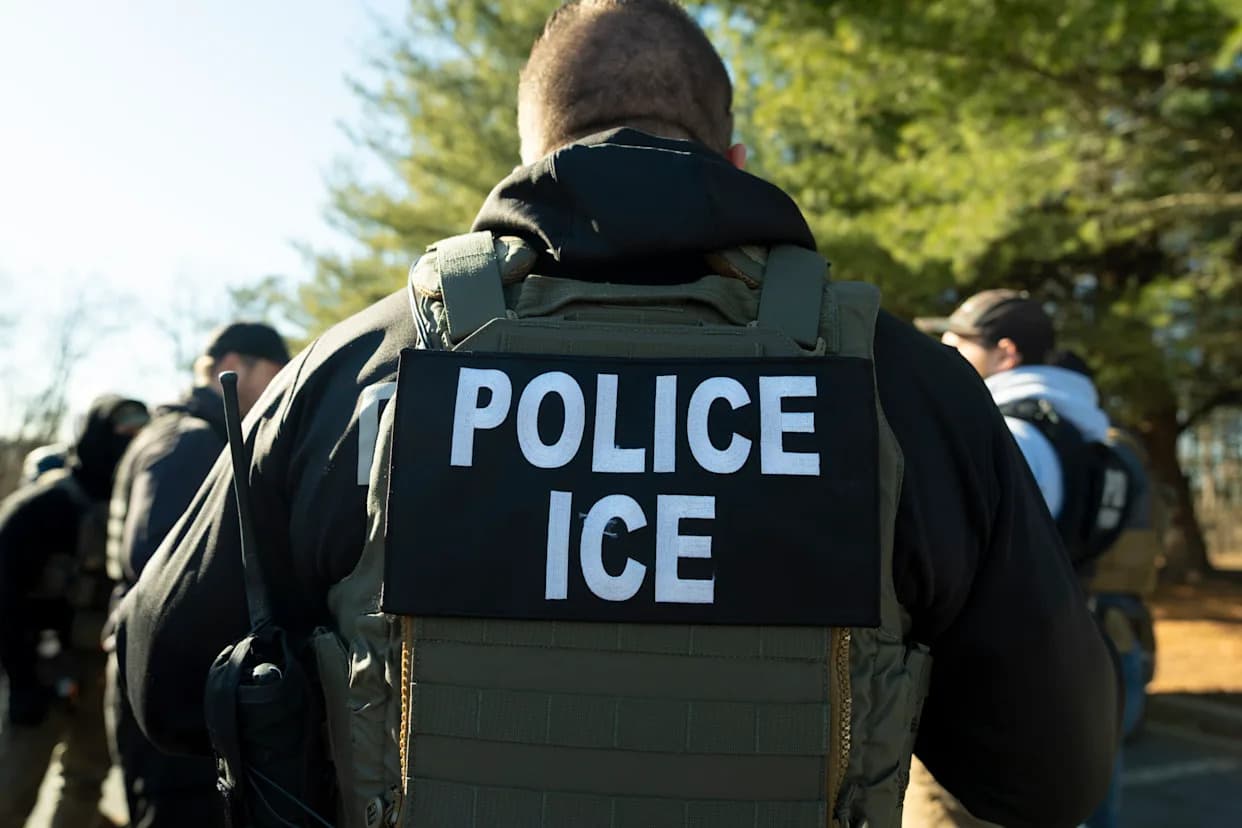
Hochul also proposed other immigration safeguards, including a requirement that ICE obtain judicial warrants before conducting enforcement actions in so-called sensitive locations such as schools, churches and hospitals. Earlier this year, the Department of Justice reversed a Biden-era policy that had discouraged immigration arrests in those locations.
She further announced that New York will not allow state resources to assist federal immigration raids targeting people who have not committed serious crimes.
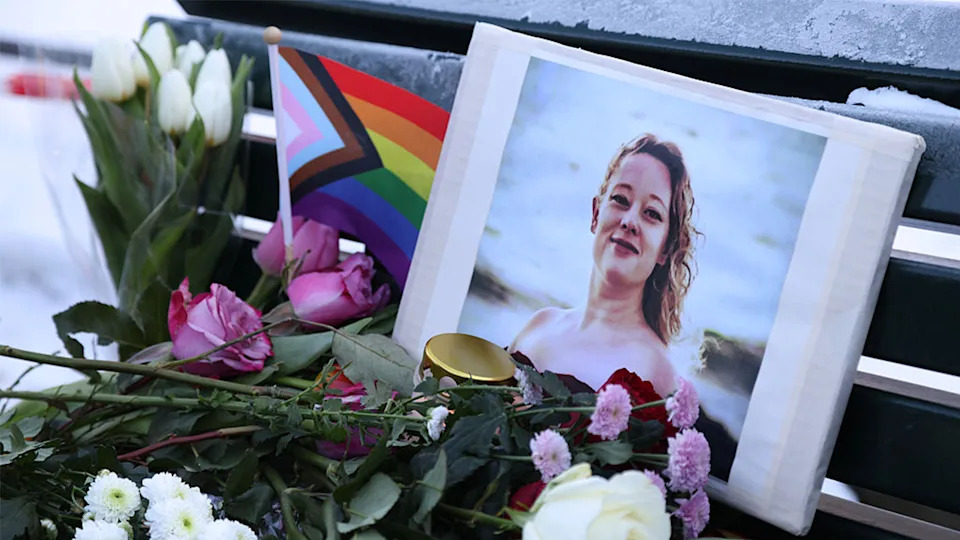
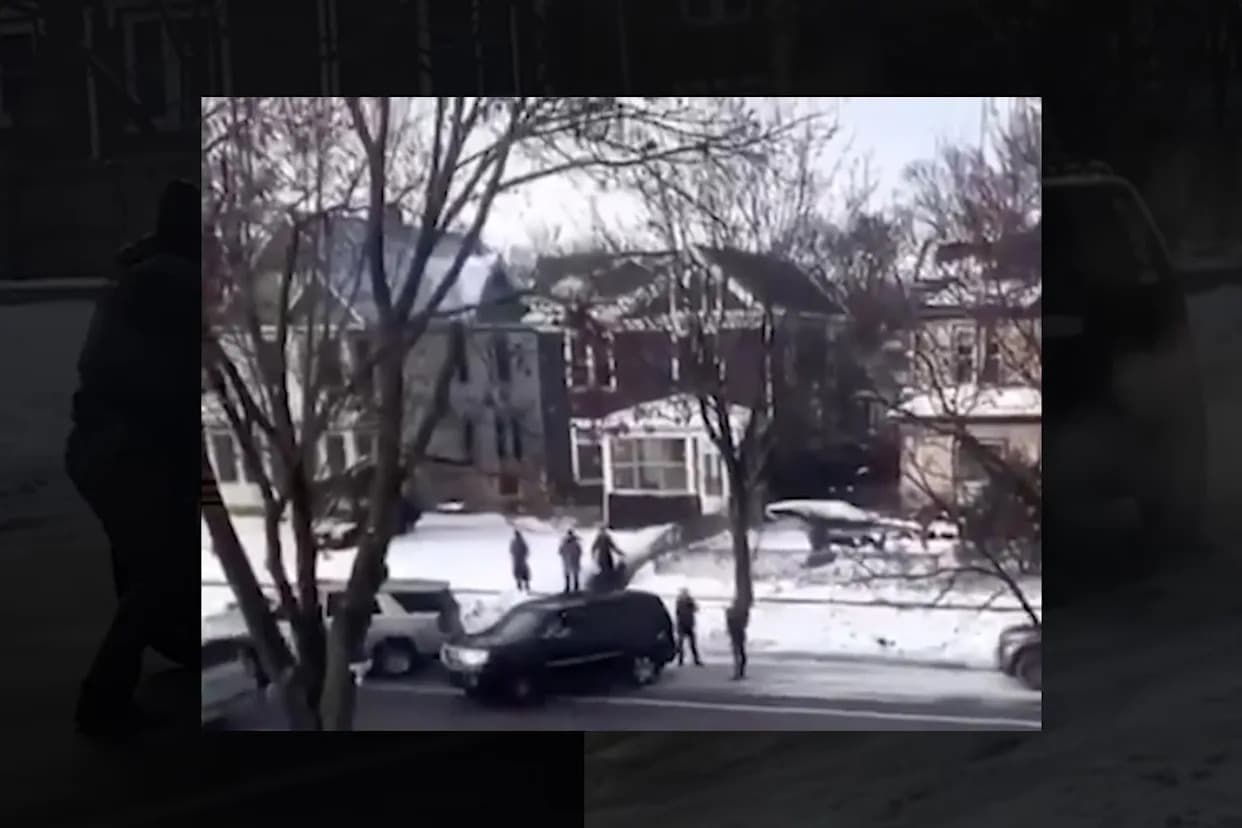
Renee Nicole Good, a U.S. citizen, was fatally shot by ICE agent Jonathan Ross in Minnesota.
Reactions
A Department of Homeland Security spokeswoman, Tricia McLaughlin, told The Hill that Hochul "continues to smear law enforcement who are simply enforcing the rule of law and are putting their lives on the line to remove violent criminals from New York." McLaughlin also said threats against federal officers have increased and defended agents’ restraint and professionalism during enforcement actions.
Supporters of the bill point to similar measures already enacted in other states, including California, Massachusetts and New Jersey, which have created pathways for residents to sue federal officials in limited circumstances.
Recent Incidents Fueling Debate
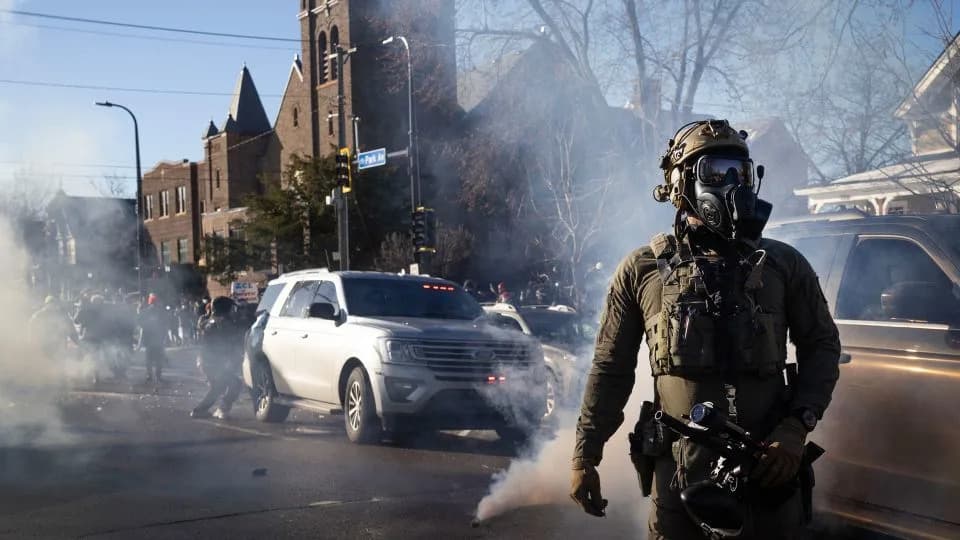
The debate over oversight and accountability intensified after a fatal Minneapolis enforcement action in which Renee Nicole Good, a U.S. citizen, was shot and killed by an ICE agent. The incident prompted protests in multiple cities and renewed calls from local leaders and lawmakers for accountability; Representative Ro Khanna publicly called for the agent involved to be prosecuted. Authorities are also investigating a separate, more recent ICE-involved shooting in Minneapolis, and the city’s mayor has called for the agency to leave amid ongoing probes.
Bottom line: The proposal would create a new avenue for New Yorkers to seek civil remedies against federal immigration officers alleged to have violated constitutional rights, while also adding procedural safeguards for enforcement in sensitive locations.
Help us improve.