Summary: Six-year-old Etan Patz disappeared in Manhattan on May 25, 1979, a case that reshaped how missing children are sought and remembered. Investigators pursued several leads over decades, including Jose Ramos; a 2012 tip led to Pedro Hernandez, who confessed and was eventually convicted after a retrial. Hernandez’s mental health and the unrecorded early interview hours were central courtroom issues. Etan’s remains remain unfound, and a 2025 appeals ruling ordered a retrial or release for Hernandez, with the Manhattan DA announcing plans to retry him.
Etan Patz — The 1979 Disappearance That Still Haunts New York (2025 Update)

On May 25, 1979, six-year-old Etan Patz left his Manhattan apartment to walk two blocks to a school bus stop. He carried a schoolbag and a dollar to buy a soda — and he never arrived. The case became one of the city's most agonizing missing-child investigations, changing how parents and law enforcement respond to disappearances.
Early investigation and long search
In 1979, investigators conducted an intense door-to-door search, set up a command center in the Patz family apartment and plastered Etan's photograph across the city. With few surveillance cameras and no social media, leads were hard to corroborate. The public response was immediate and enduring: Etan's picture appeared on milk cartons and missing-persons posters nationwide, and the case helped shape later practices for handling missing children.
Jose Ramos: an early suspect
Investigators pursued multiple leads over the years, including a drifter named Jose Ramos. Ramos told authorities he had picked up a boy in 1979 and later was recorded saying he was about "90 percent" sure the boy was Etan. Ramos had a history of offending against boys and later pleaded guilty in Pennsylvania to molestation, resulting in a 10–20 year sentence. In 2001 the Patz family won a wrongful-death civil verdict against Ramos, and a judge formally declared Etan dead. Still, prosecutors said they lacked the corroborated evidence necessary to bring criminal charges tying Ramos to Etan's disappearance.
A new lead — and a different suspect
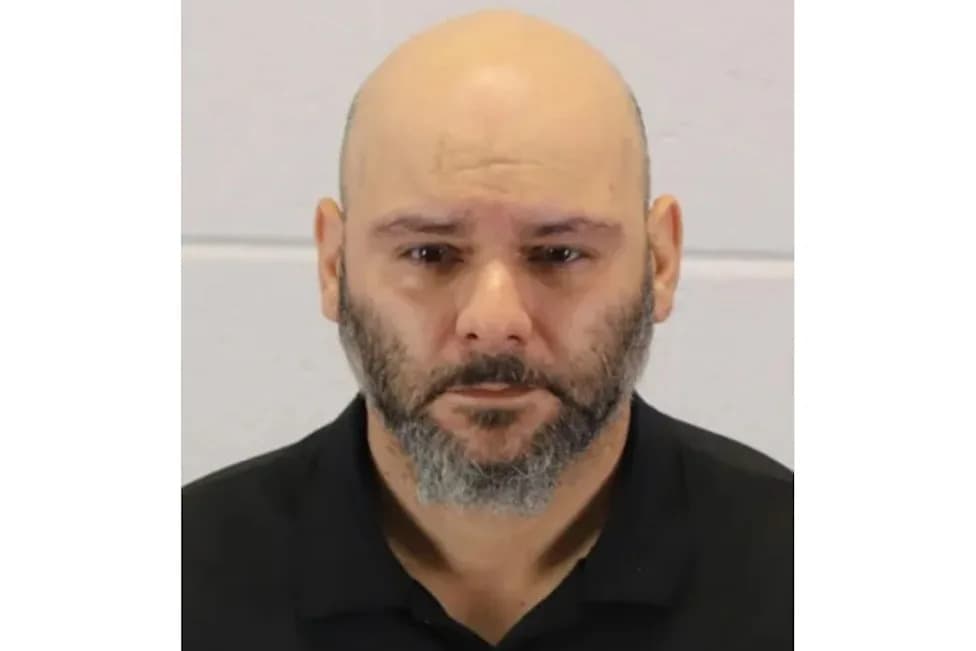
In 2012 a police dig near a former workshop generated renewed attention. After news coverage, a caller said his brother-in-law, Pedro Hernandez, had repeatedly admitted harming a child in New York around the time Etan vanished. Hernandez had been an 18-year-old stockboy at the corner store near the bus stop in 1979. Detectives interviewed him in New Jersey on May 23, 2012; after several hours of unrecorded questioning he gave a taped statement describing how he lured Etan into a basement with the promise of a soda, choked him, placed the body in a box and discarded it with the trash.
Confession, arrest and controversy
Hernandez guided investigators to locations in SoHo and pointed out details, including a doorway he insisted had not existed in 1979 — a fact later confirmed in building records. He was arrested the same day. Authorities called his confession credible, but the investigation and later trials centered on two disputed issues: the six hours of interviews that were not videotaped, and Hernandez's mental health and intellectual functioning.
Trials and verdicts
Hernandez's defense argued he had a personality disorder, auditory hallucinations and a low IQ that made him susceptible to suggestion; the defense said he could have fabricated the story. Prosecutors presented witnesses who said Hernandez had confessed to others over the years, and they pointed to details the defendant supplied that were corroborated by records. The first trial (2015) ended in a mistrial after an 11–1 vote to convict could not reach unanimity. A retrial produced a guilty verdict, and Hernandez was sentenced to 25 years to life.
Impact and unresolved questions
The conviction provided a measure of justice for the Patz family but did not return Etan to them: his remains have never been found. Many investigators and family members continue to wrestle with earlier focus on Jose Ramos and whether different investigative choices might have produced evidence sooner. For those who worked on the case, Etan's photograph and the unanswered questions have left lasting emotional marks.
Recent legal developments
Legal proceedings have continued to evolve. On July 21, 2025, a federal appeals court ordered that Pedro Hernandez must be retried or released. On Nov. 25, 2025, the Manhattan District Attorney announced an intention to retry Hernandez. These rulings show the case remains legally active decades after Etan vanished.
Where the case stands
After nearly half a century, the disappearance of Etan Patz remains a powerful reminder of the human cost behind cold cases: a family that never stopped looking, investigators who continued to chase leads for years, and a city forever changed in how it protects and searches for missing children. The search for legal finality and emotional closure continues.
Key facts: Etan Patz disappeared May 25, 1979. A civil court declared him dead in 2001. Pedro Hernandez confessed in 2012, was tried (2015 mistrial), later convicted at retrial and sentenced to 25-to-life; a 2025 appeals ruling ordered a retrial or release and the DA announced plans to retry him in Nov. 2025. Etan's remains have not been recovered.
Help us improve.