The U.S. Navy has canceled the final four Constellation-class frigates to free up shipyard capacity and accelerate production of other ship types, Navy Secretary John Phelan said. Two hulls already under construction will continue but remain under review. The $22 billion, 20-ship program faced design flaws, schedule delays and cost overruns that a GAO report attributed in part to starting construction before the design was finalized. Navy and industry officials emphasized preserving shipyards and skilled workers while the service re-prioritizes shipbuilding to meet strategic challenges and a shrinking fleet.
U.S. Navy Cancels Final Constellation-Class Frigates to Shift Shipbuilding Priorities
The U.S. Navy announced it will terminate the final four ships in the Constellation-class guided-missile frigate program as part of a strategic shift to accelerate construction of other ship classes, Navy Secretary John Phelan said on X. Work will continue on the two Constellation hulls already under construction, but those vessels "remain under review" while the Navy implements its new approach.
The Constellation program had targeted 20 frigates at an estimated program value of roughly $22 billion. The class was beset by schedule delays, rising costs and design problems that drew criticism from lawmakers, military leaders and others. A Government Accountability Office report cited the Navy's decision to begin construction before designs were finalized, among other management missteps, as a primary driver of cost growth and schedule slippage.
Why the Navy changed course
Secretary Phelan framed the cancellation as necessary to "grow the fleet faster to meet tomorrow's threats," saying that freeing shipyard capacity would let the service accelerate other shipbuilding lines. He also emphasized the need to preserve the shipbuilding workforce and keep yards ready for future programs.
"The Navy needs ships, and we look forward to building them in every shipyard we can," Phelan wrote.
Industry response and next steps
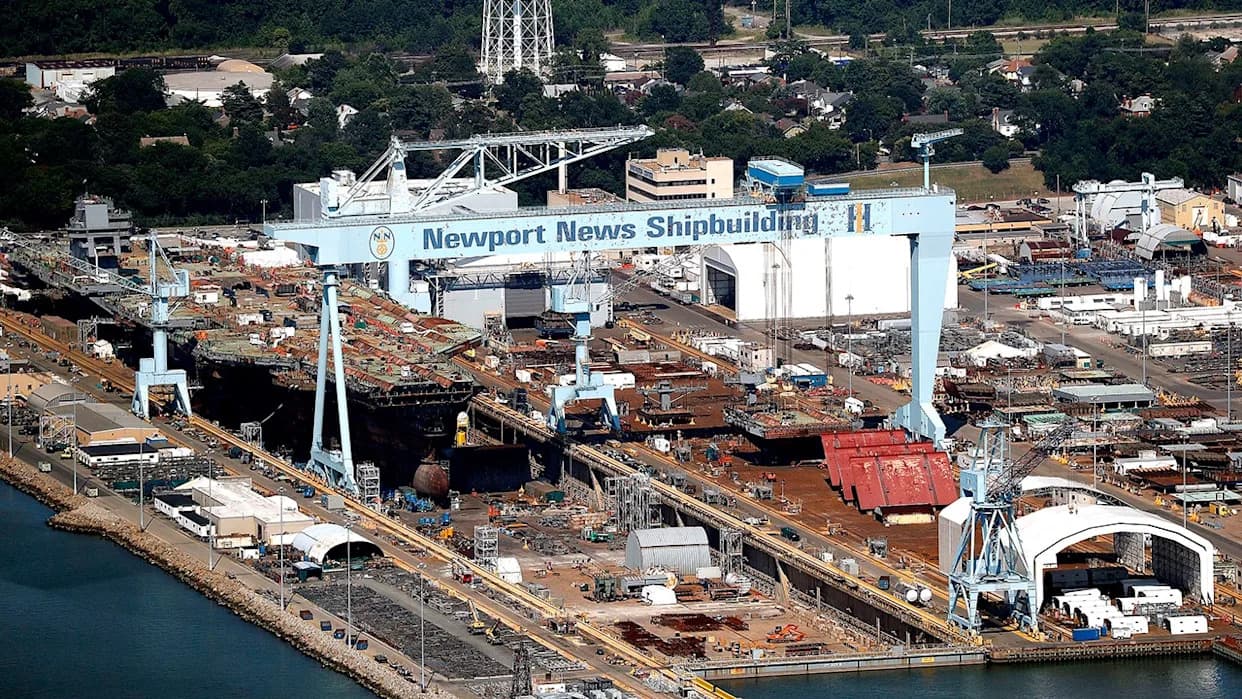
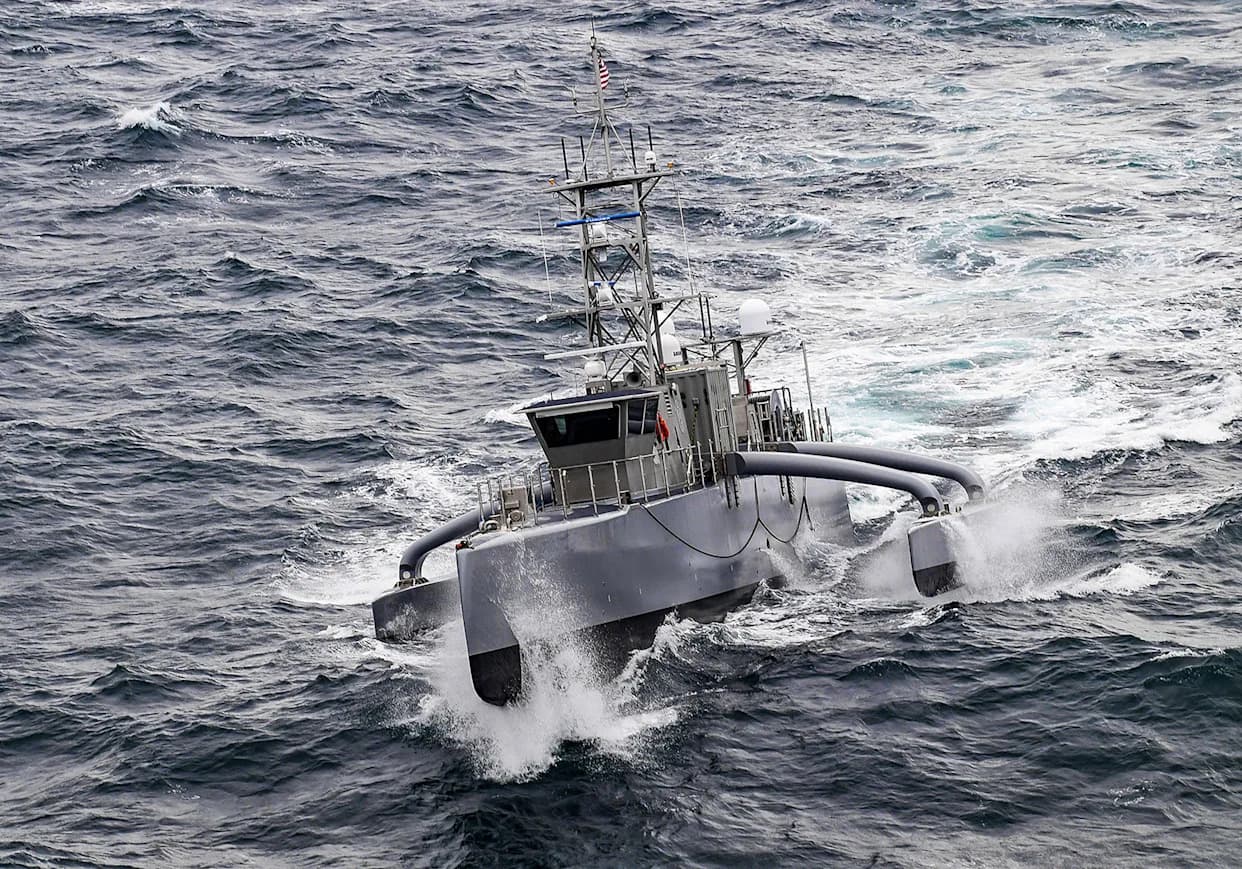
Fincantieri Marinette Marine, the Wisconsin shipbuilder that won the Constellation contract in 2020, said it expects the Navy to redirect work into its yards—potentially including amphibious ships, icebreakers and special-mission vessels—while discussions continue about new small surface combatants, both manned and unmanned. The company stressed the importance of maximizing the commitment and capabilities of its shipyard system to sustain the skilled workforce.
The Navy's decision comes as overall fleet numbers are temporarily declining because more vessels are being retired than launched. That trend raises concerns about meeting the long-term target of a 355-ship fleet, a goal for which the Constellation class had been considered central. It also occurs against the backdrop of rapid naval expansion by China, which the Pentagon has identified as a pacing challenge.
What remains unclear
The Navy has not specified which classes will be accelerated or given a detailed timeline for replacing the cancelled frigates' planned capability. The two hulls under construction will continue to be evaluated as the service finalizes its new shipbuilding framework and prioritizes platforms it believes can be produced and deployed more quickly.
The shift signals a broader reassessment of procurement practices and timelines as the Navy seeks to balance capability, cost control and speed of delivery while sustaining a critical industrial base.
Help us improve.